 0
0
 0
0
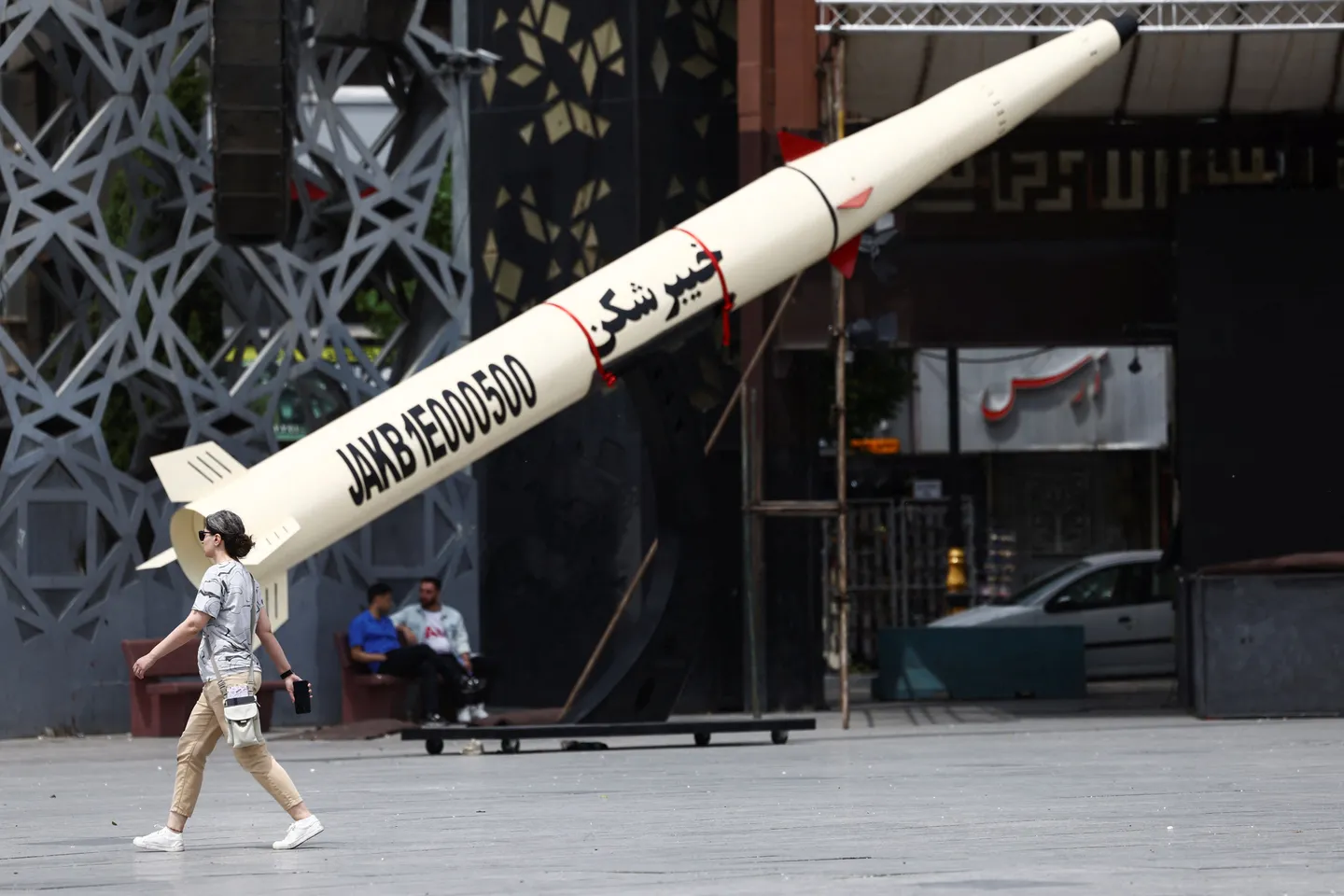
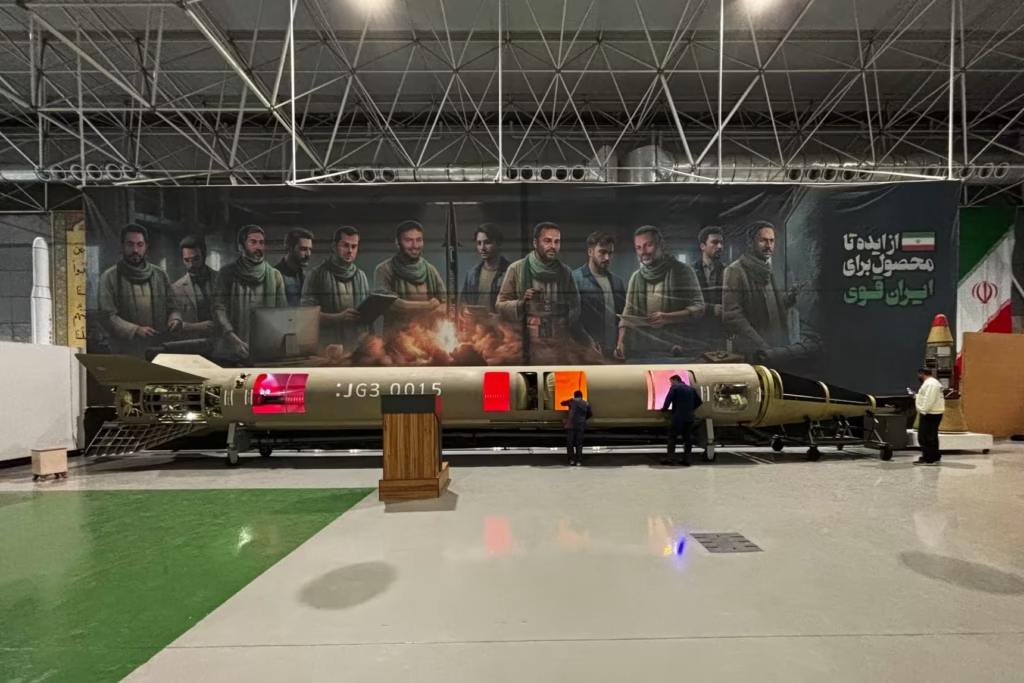
Iran missile drone stockpiles have been described by a senior Iranian lawmaker as sufficient to sustain the country through years of potential military conflict, according to recent statements carried by a semi official news agency. The comments come at a time of heightened tensions between Iran and Western powers over regional security, maritime routes, and nuclear negotiations.
Lawmaker Claims Long Term Military Readiness
Stockpiles described as strategically sufficient
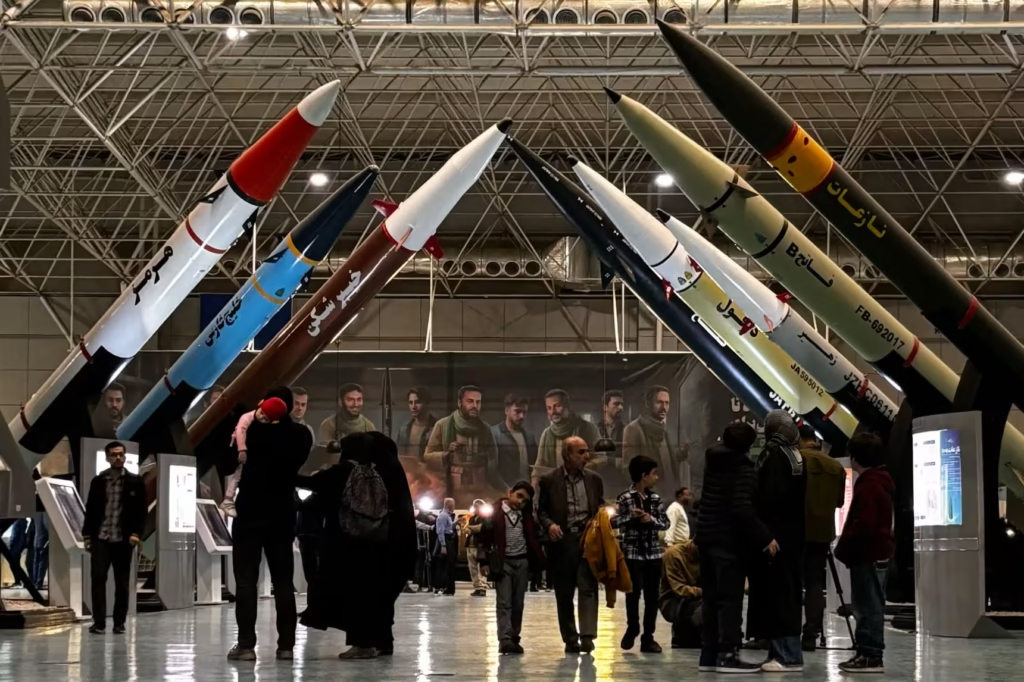
A senior member of Iran’s parliament, Alaeddin Boroujerdi, who serves as deputy head of the National Security and Foreign Policy Commission, stated that Iran missile drone stockpiles are large enough to support prolonged warfare if necessary.
He emphasized that Iran has not fully revealed its military capabilities, suggesting that additional systems and technologies remain undisclosed.
Boroujerdi noted that Iran missile drone stockpiles are part of a broader defense strategy designed to deter external threats and maintain regional influence.
“New cards” not yet revealed
According to his remarks, Iran has “not yet shown our new cards,” implying that further military capabilities may exist beyond what has been publicly demonstrated.
This statement aligns with Iran’s long standing policy of strategic ambiguity in defense matters, where military strength is partially disclosed to maintain deterrence.
US Naval Presence and Strait of Hormuz Tensions
Rejection of naval blockade claims
Boroujerdi also dismissed reports of a United States naval blockade, calling it ineffective. He claimed that around 120 vessels were currently waiting near the Strait of Hormuz for passage.
He further stated that Iranian vessels continue to operate without direct interference from US forces, despite ongoing tensions in the region.
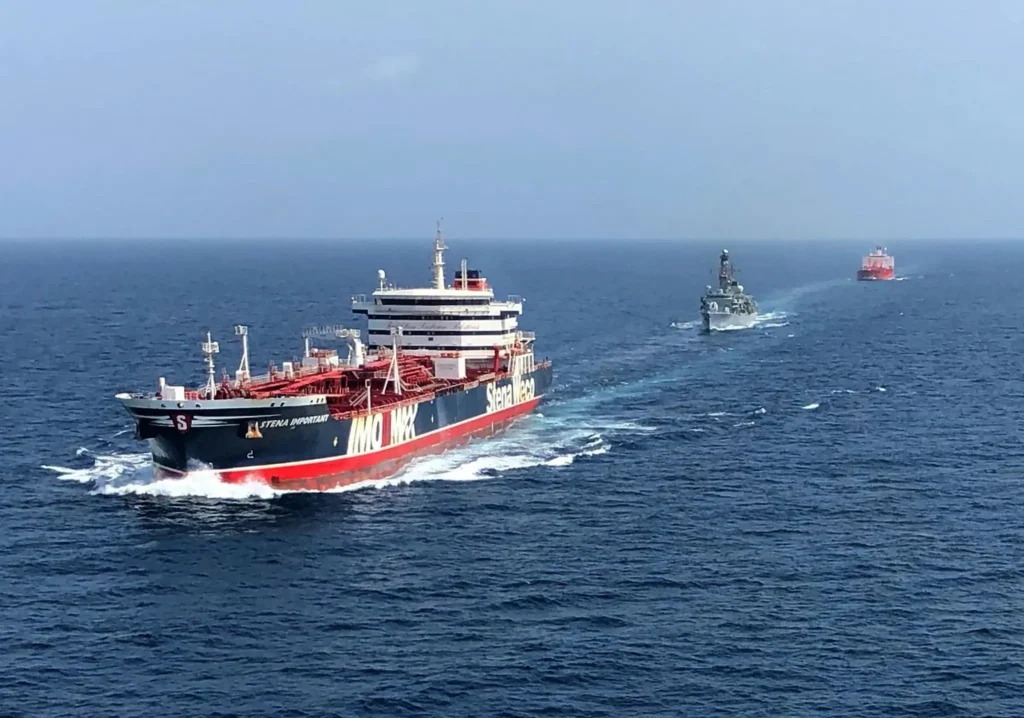
The Strait of Hormuz remains one of the world’s most important oil transit routes, making it a focal point of global maritime security discussions.
Strategic importance of maritime chokepoints
Iran missile drone stockpiles are often discussed alongside Iran’s geographic leverage over key waterways. The lawmaker highlighted that the Bab al Mandeb Strait, which connects the Red Sea to the Gulf of Aden, is also strategically significant.
Disruptions in either the Strait of Hormuz or Bab al Mandeb could impact global shipping routes and energy supplies.
Regional Maritime Routes and Security Concerns
Bab al Mandeb and global trade routes
The Bab al Mandeb Strait serves as a critical passage for international trade between Asia, Africa, and Europe. Any instability in this region could increase shipping costs and delay global supply chains.
Iran missile drone stockpiles are frequently mentioned in regional security debates due to their potential role in deterring naval activity near these waterways.
Iran’s stated position on sovereignty
Boroujerdi reiterated that Iran would not retreat from what it considers sovereign rights over the Strait of Hormuz. He added that these positions would be pursued through negotiations rather than unilateral withdrawal.
IRGC Navy and Military Capability Warnings
Statements from naval leadership
In a separate comment, Hamad Akbarzadeh, political assistant to the commander of Iran’s Islamic Revolutionary Guard Corps Navy, warned that new military capabilities could be used if the United States takes action against Iran.
He stated that the IRGC Navy would deploy advanced targeting systems in the event of military confrontation.
Emphasis on naval defense systems
According to his remarks, these systems could potentially target large naval vessels operating in regional waters.
The discussion of Iran missile drone stockpiles is closely linked to naval defense strategies, particularly in the Persian Gulf region, where military presence from multiple countries is concentrated.
Background of Regional Conflict and Escalation
Joint military actions and retaliation
Tensions escalated after a joint offensive by the United States and Israel on February 28. Iran responded with strikes targeting what it described as US interests across the region, including areas in Gulf countries.
The exchange of attacks contributed to a rapidly deteriorating security environment in the Middle East.
Ceasefire and diplomatic mediation
A ceasefire was reportedly reached on April 8 through mediation efforts involving Pakistan. Subsequent talks held in Islamabad on April 11 and 12 failed to produce a lasting agreement.
Iran missile drone stockpiles were not directly part of the negotiations but were widely referenced in discussions about deterrence and military balance.
Ongoing Diplomatic Uncertainty
Extension of truce discussions
US President Donald Trump later stated that the ceasefire had been extended at Pakistan’s request while awaiting further proposals from Tehran.
He also indicated skepticism regarding Iran’s latest diplomatic proposals aimed at resolving tensions.
Nuclear program and maritime proposals
Iran reportedly suggested reopening the Strait of Hormuz under certain conditions while postponing nuclear program discussions for later negotiations. However, this proposal has not yet led to a formal agreement.
Iran missile drone stockpiles continue to be a central factor in shaping negotiation dynamics, as military capability often influences diplomatic positioning.
Broader Strategic Implications
The ongoing discussion around Iran missile drone stockpiles highlights broader concerns about military balance in the Middle East. Analysts often view such statements as part of psychological deterrence strategies aimed at discouraging external intervention.
At the same time, maritime chokepoints like the Strait of Hormuz and Bab al Mandeb remain critical flashpoints where economic security and military strategy intersect.
FAQ Section
What did Iran say about its missile and drone stockpiles?
Iranian officials stated that Iran missile drone stockpiles are sufficient to sustain years of potential conflict.
Why is the Strait of Hormuz important?
The Strait of Hormuz is a key global oil transit route, making it strategically vital for international energy supply chains.
What is the role of the IRGC Navy in regional tensions?
The IRGC Navy is responsible for Iran’s maritime defense strategy and has warned of advanced capabilities in case of conflict.
Have Iran and the US reached a final agreement?
No final agreement has been reached, despite ceasefire talks and multiple rounds of negotiations.
Conclusion
The latest remarks on Iran missile drone stockpiles reflect ongoing tensions and strategic signaling in the Middle East. While diplomatic discussions continue, military preparedness and control of key maritime routes remain central to regional stability. The situation continues to evolve as negotiations, military posturing, and geopolitical interests intersect.
PLEASE CLICK HERE FOR MORE NEWS