 0
0
 0
0
The Iran US peace talks Islamabad delay has drawn international attention after reports suggested that internal disagreements within Iran’s leadership stalled a planned diplomatic meeting with the United States. The talks, which were expected to take place in Islamabad, were aimed at addressing an ongoing conflict that has lasted for several weeks.
Emerging details indicate that divisions among top Iranian officials played a key role in halting the process at a critical stage.
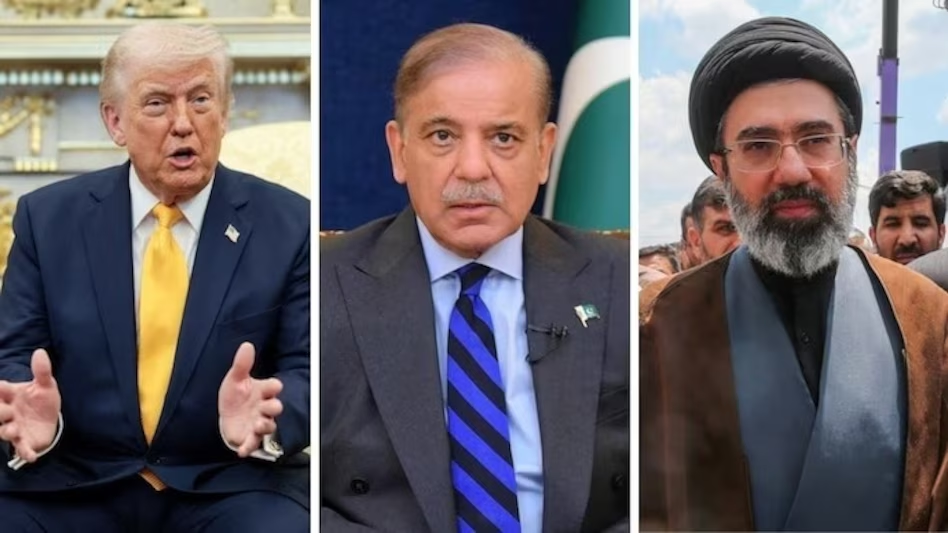
Internal Divisions Within Iran’s Leadership
The Iran US peace talks Islamabad delay appears to stem from disagreements between influential factions within the country’s political structure.
Competing Power Centers in Tehran
Iran’s governance system includes multiple centers of authority, which can sometimes lead to conflicting decisions.
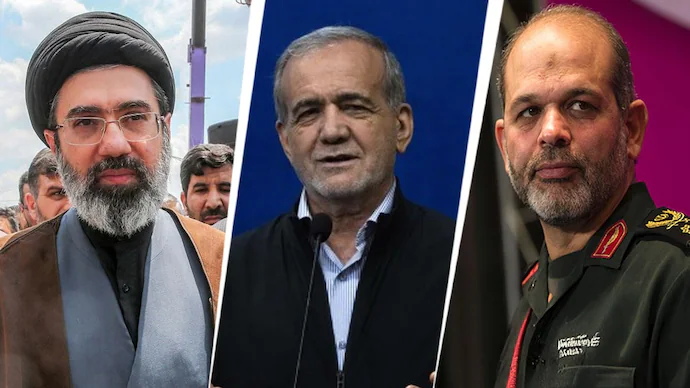
Key figures reportedly involved include:
- Masoud Pezeshkian
- Mojtaba Khamenei
Differences between allies of these leaders are said to have contributed to the stalled negotiations.
Role of Political Alignment
Sources suggest that:
- One faction supported engaging in dialogue
- Another group opposed discussions under certain conditions
- Disagreements intensified at the final stage of planning
These divisions ultimately prevented the delegation from departing.
Planned Peace Talks in Islamabad
The Iran US peace talks Islamabad delay centers on a diplomatic effort that was expected to take place in Islamabad.
Purpose of the Talks
The meeting was intended to:
- Address an ongoing conflict between Iran and the United States
- Explore possible de-escalation measures
- Discuss broader geopolitical concerns
Timing of the Negotiations
The talks were planned after approximately eight weeks of heightened tensions, making them a potentially important step toward resolution.
Disagreement Over Nuclear Discussions
A major factor in the Iran US peace talks Islamabad delay was disagreement over whether nuclear issues should be included in the negotiations.
Conditions Set by Leadership
Reports indicate that:
- Certain officials opposed discussing nuclear matters
- Strict conditions were imposed before talks could proceed
- These conditions limited the scope of negotiations
Impact on Diplomatic Progress
These restrictions led to concerns that:
- Talks would not produce meaningful outcomes
- Negotiations could stall without flexibility
- Diplomatic engagement might become ineffective
Position of Iran’s Foreign Ministry
The Iran US peace talks Islamabad delay also involved internal discussions within the diplomatic leadership.
Foreign Minister’s Reported Stance
Abbas Araghchi is reported to have expressed concerns about proceeding under restricted conditions.
Key Concerns Raised
- Limited scope of discussion
- Lack of negotiation flexibility
- Reduced chances of achieving progress
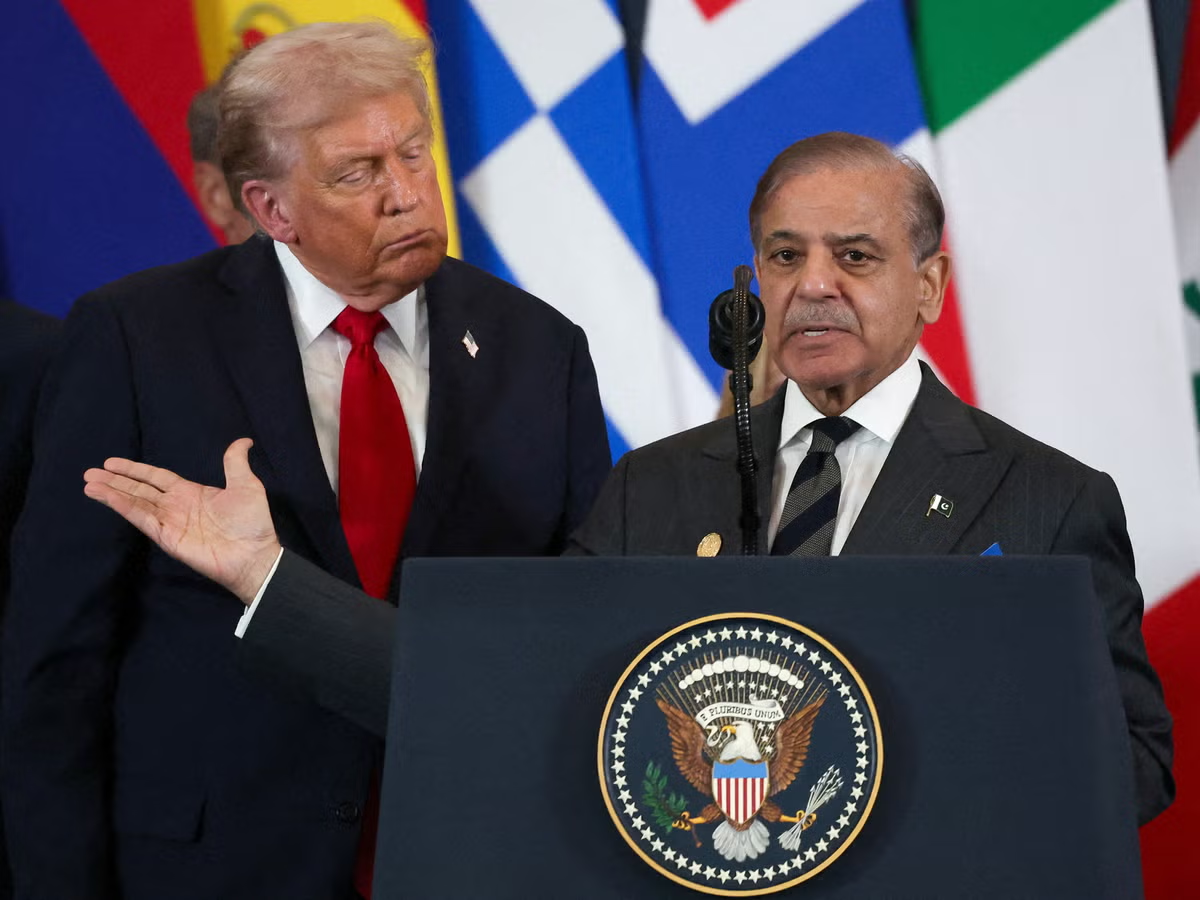
Decision to Halt Participation
Based on these concerns, the decision was made not to move forward with the planned talks at that time.
Broader Implications of the Delay
The Iran US peace talks Islamabad delay raises wider questions about decision-making processes within Iran.
Questions About Authority
The situation has led to renewed debate over:
- Who holds ultimate authority in Iran
- How decisions are coordinated among leadership
- The role of internal political dynamics
Impact on International Relations
The delay may affect:
- Diplomatic relations with the United States
- Regional stability
- Future negotiation opportunities
Geopolitical Context of the Conflict
The Iran US peace talks Islamabad delay comes amid ongoing tensions that have drawn global attention.
Nature of the Conflict
The conflict involves:
- Political and strategic disagreements
- Military and security concerns
- Regional influence dynamics
Importance of Dialogue
Diplomatic talks are often seen as:
- A pathway to reducing tensions
- A method for resolving disputes
- A tool for maintaining stability
Potential Next Steps in Negotiations
Although the Iran US peace talks Islamabad delay has paused immediate progress, future discussions remain possible.
Conditions for Resuming Talks
Negotiations may resume if:
- Internal disagreements are resolved
- Terms of discussion are clarified
- Both sides agree on negotiation scope
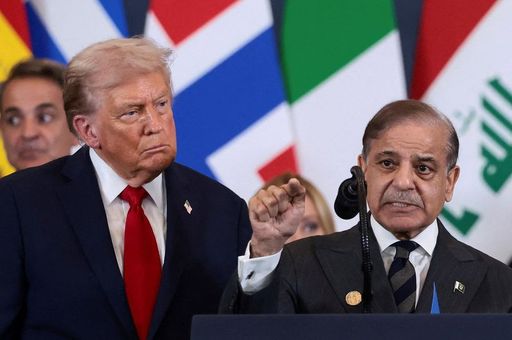
Role of Neutral Locations
Cities like Islamabad often serve as neutral venues for diplomatic dialogue, making them suitable for future engagements.
FAQ Section
Why were the Iran-US talks in Islamabad delayed?
The delay was reportedly caused by internal disagreements within Iran’s leadership.
Who are the key figures involved in the disagreement?
Key figures include President Masoud Pezeshkian, Supreme Leader Mojtaba Khamenei, and Foreign Minister Abbas Araghchi.
What was the purpose of the planned talks?
The talks aimed to address ongoing conflict and explore possible diplomatic solutions.
Will the talks happen in the future?
It is possible, but it depends on resolving internal disagreements and agreeing on negotiation terms.
Conclusion
The Iran US peace talks Islamabad delay highlights the complexity of internal decision-making within Iran and its impact on international diplomacy. While the planned negotiations have been postponed, the situation underscores the importance of consensus in advancing diplomatic efforts. Future progress will likely depend on resolving internal differences and establishing clear conditions for dialogue.
Click here for more news