 0
0
 0
0
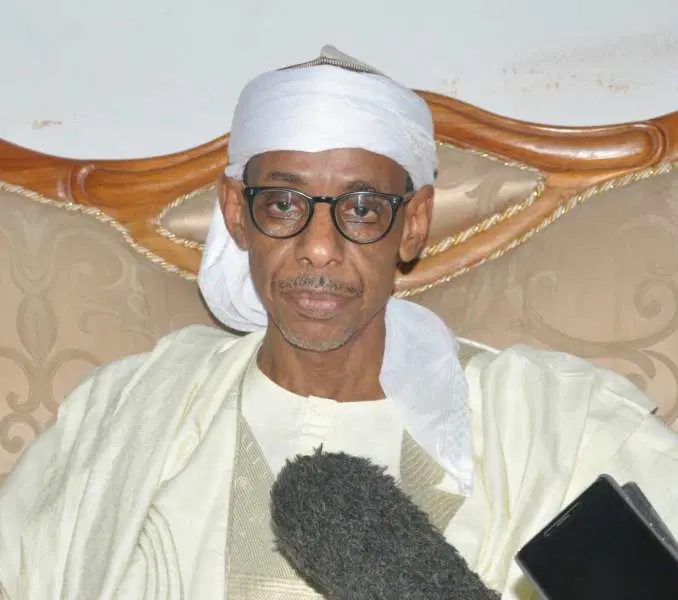
The debate around Tinubu disconnected from Nigerians hardship has intensified following fresh criticism from political figure Hakeem Baba-Ahmed, who questioned the government’s understanding of current realities.
His remarks came during a televised interview where he responded to recent statements by President Bola Tinubu about public perception of his administration’s performance.
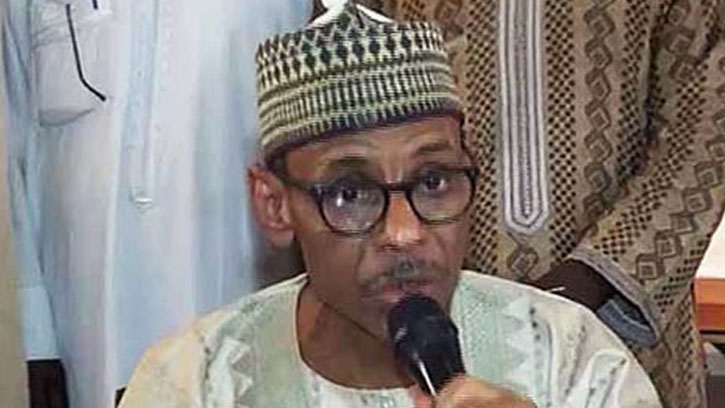
Baba-Ahmed Reacts to Tinubu’s Comments
Hakeem Baba-Ahmed, a former political adviser to the Vice-President, expressed concern over what he described as a disconnect between leadership and citizens.
Criticism of “Hope” Remarks
The controversy began after President Tinubu suggested that Nigerians who fail to see progress under his leadership may not fully understand ongoing reforms.
He used a metaphor implying that critics might need “eyeglasses” to recognize improvements. This comment quickly drew reactions from various quarters.
Baba-Ahmed argued that such remarks overlook the daily struggles many Nigerians face.
Concerns About Leadership Awareness
According to him, the statement raised serious questions about whether those in power are fully aware of the country’s economic and security challenges.
He emphasized that leadership must remain grounded in the lived experiences of citizens, especially during periods of economic difficulty.
Economic Hardship and Public Sentiment
The issue of Tinubu disconnected from Nigerians hardship is closely tied to ongoing concerns about rising living costs and declining purchasing power.
Rising Cost of Living
Many Nigerians continue to face:
- Increasing food prices
- Higher transportation costs
- Inflation affecting basic goods
- Limited access to stable income
These factors have contributed to widespread dissatisfaction and growing public concern.
Impact of Economic Reforms
The current administration has introduced several economic reforms aimed at stabilizing the economy. However, critics argue that the immediate effects have been difficult for citizens.
Baba-Ahmed noted that while reforms may appear effective on paper, they have yet to translate into meaningful improvements in daily life.
Security Challenges and National Stability
Beyond economic issues, security concerns remain a major topic in discussions about Tinubu disconnected from Nigerians hardship.
Ongoing Insecurity
Parts of the country continue to experience:
- Banditry and kidnapping
- Insurgency threats
- Communal conflicts
These issues have affected livelihoods, displaced communities, and increased anxiety among citizens.
Call for Improved Accountability
Baba-Ahmed also raised concerns about transparency in governance, stressing the need for accountability in the management of public resources.
He suggested that better oversight and communication could help restore public trust.
Political Implications Ahead of Future Elections
The conversation around Tinubu disconnected from Nigerians hardship also has implications for Nigeria’s political landscape.
Opposition Confidence
Baba-Ahmed expressed confidence that the ruling party could face strong opposition in future elections if current challenges persist.
He pointed to a perceived gap between government messaging and public experience as a key factor that could influence voter decisions.
Importance of Free and Fair Elections
He emphasized that credible elections would play a crucial role in determining the direction of governance.
A transparent process, according to him, would reflect the true will of the people and potentially reshape political dynamics.
Broader Context of Governance and Public Expectations
The discussion goes beyond individual comments and reflects broader expectations of leadership in Nigeria.
Public Demand for Tangible Results
Citizens increasingly expect:
- Visible improvements in infrastructure
- Job creation opportunities
- Stable economic policies
- Enhanced security measures
Meeting these expectations remains a significant challenge for any administration.
Communication Gap Between Leaders and Citizens
One of the recurring themes in the Tinubu disconnected from Nigerians hardship debate is the communication gap.
Effective communication involves not only presenting policies but also acknowledging challenges and providing clear timelines for improvement.
The Role of Public Discourse in Democracy
Criticism such as Baba-Ahmed’s highlights the importance of open dialogue in a democratic society.
Encouraging Accountability
Public commentary and criticism can:
- Promote transparency
- Encourage better decision-making
- Hold leaders accountable
These elements are essential for strengthening democratic institutions.
Balancing Perspectives
While some support government policies as necessary for long-term stability, others emphasize the immediate impact on citizens.
Balancing these perspectives is key to achieving inclusive governance.
FAQ
Why did Baba-Ahmed say Tinubu is disconnected from Nigerians hardship?
He argued that recent comments by the president did not reflect the economic and security challenges faced by ordinary citizens.
What triggered the Tinubu disconnected from Nigerians hardship debate?
The debate followed remarks suggesting critics of the administration might not recognize ongoing progress.
How are Nigerians affected by current economic policies?
Many are experiencing rising costs of living, reduced purchasing power, and limited economic relief.
Could this issue affect future elections in Nigeria?
Political analysts suggest that public perception of leadership performance could influence voter decisions in upcoming elections.
Conclusion
The discussion around Tinubu disconnected from Nigerians hardship reflects deeper concerns about governance, economic realities, and public trust. As Nigeria navigates ongoing challenges, the alignment between policy decisions and citizens’ experiences remains central to national discourse. Continued engagement, transparency, and responsiveness may play a key role in shaping both public confidence and future political outcomes.
Click here for more news