 0
0
 0
0
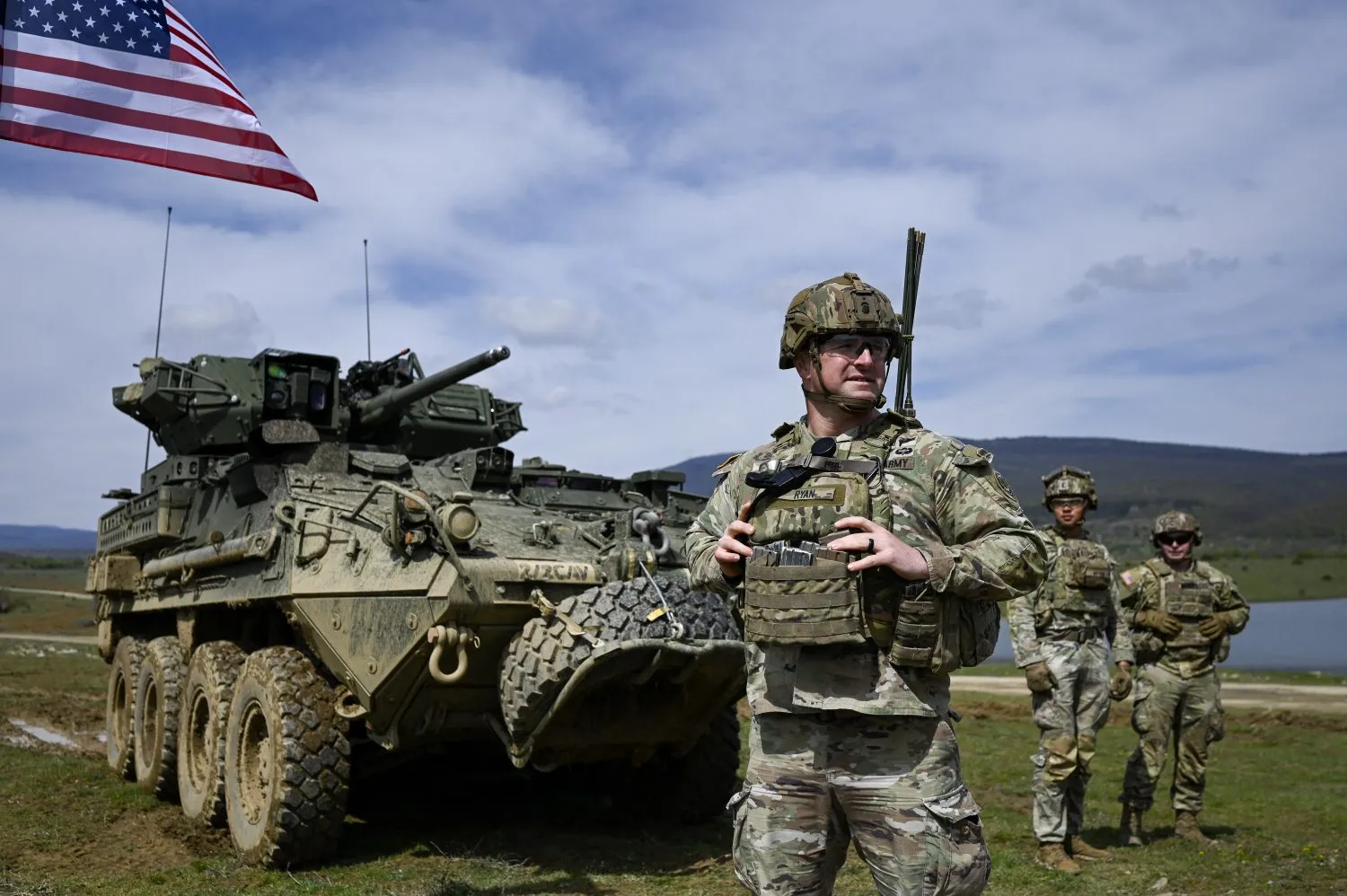
The US shifting troops NATO Iran rift has emerged as a significant development in global military strategy, as Washington considers repositioning its forces across allied countries following tensions during the recent Iran conflict.
According to reports, the move reflects growing frustration within the US administration over what it sees as uneven support from NATO allies during the war. While discussions are still ongoing, the potential changes could reshape military cooperation across Europe.
Background: Why the Troop Shift Is Being Considered
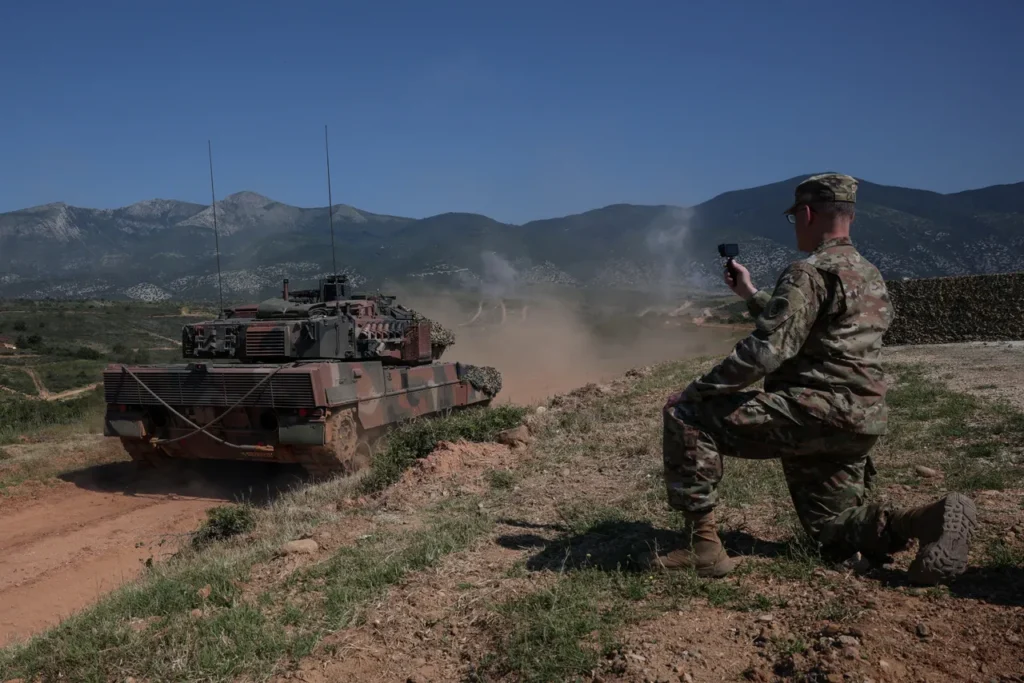
The US shifting troops NATO Iran rift stems from disagreements over how NATO members responded during the conflict involving Iran.
Key Issues During the Conflict
- Some NATO countries reportedly restricted the use of shared military bases
- Delays in operational support created challenges for US military planning
- Differences in political positions influenced the level of involvement
These concerns have prompted a reassessment of where American troops should be stationed.
Policy Review Within the US Administration
Officials are currently evaluating whether troop deployments should reflect the level of cooperation shown by host nations.
This review includes:
- Identifying countries that provided strong operational support
- Assessing nations that were slower or less willing to assist
- Considering logistical and strategic impacts of relocation
Proposed Changes to US Military Deployment
The US shifting troops NATO Iran rift could lead to a redistribution of forces across Europe.
Possible Adjustments
The proposal includes:
- Reducing troop presence in countries viewed as less supportive
- Increasing deployments in nations that offered stronger backing
- Repositioning forces to improve operational flexibility
Uncertainty Around Implementation
At this stage, it remains unclear:
- Which countries may be affected
- How many troops could be relocated
- When any changes might take place
Strategic Considerations
Military planners are likely weighing:
- Geographic advantages of current bases
- Existing infrastructure and logistics
- Long-term alliance commitments
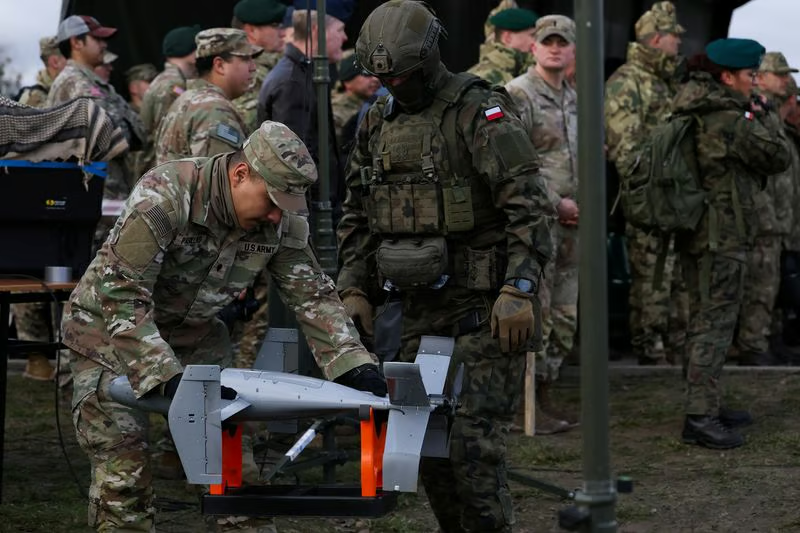
US troops participating in NATO military exercises in Europe
Reactions From US and NATO Officials
The US shifting troops NATO Iran rift has drawn attention from both American and NATO leadership.
US Government Perspective
Senior officials have expressed concern about limitations placed on military operations during the conflict.
Criticism Over Base Access
There has been criticism regarding restrictions on the use of joint bases in Europe, which reportedly affected operational efficiency.
Political Messaging
Statements from US leadership suggest dissatisfaction with NATO’s response, describing it as inadequate during a critical period.
NATO’s Response
NATO leadership has acknowledged challenges while emphasizing the alliance’s overall contribution.
Initial Delays Explained
Some member states were slow to respond due to the unexpected nature of the conflict.
Continued Support
Despite early delays, NATO officials maintain that European allies ultimately played a key role in supporting US operations.
Broader Implications for NATO Unity
The US shifting troops NATO Iran rift raises questions about the future of transatlantic cooperation.
Potential Impact on Alliance Relations
If implemented, the troop shift could:
- Create divisions among NATO members
- Alter long-standing military partnerships
- Influence future joint operations
Strategic Importance of NATO
NATO continues to play a central role in global security.
Dual Purpose of the Alliance
The alliance is designed to:
- Protect European nations
- Support the security interests of the United States
Ongoing Relevance
Despite tensions, NATO remains a cornerstone of international defense cooperation.
Military and Geopolitical Consequences
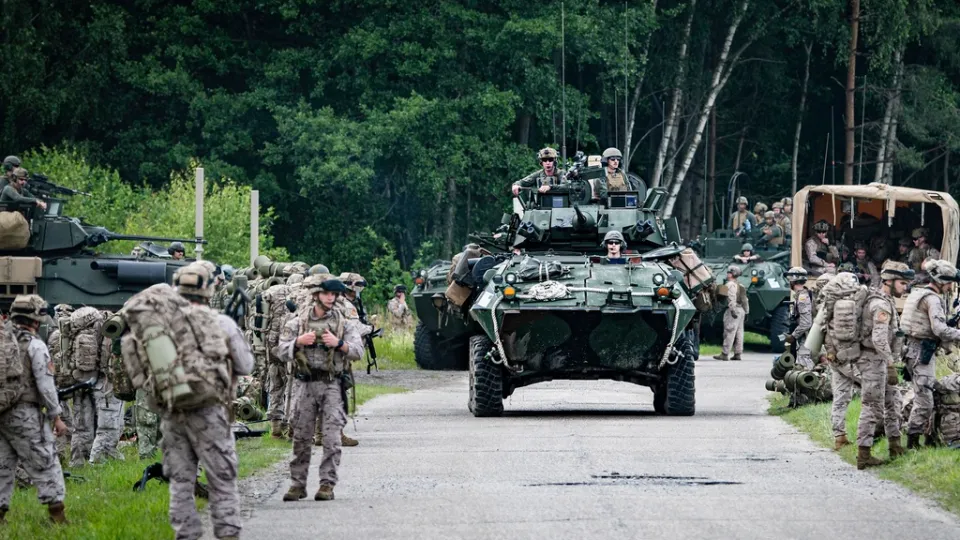
The US shifting troops NATO Iran rift could have lasting effects beyond immediate troop movements.
Impact on European Security
Changes in troop deployment may:
- Shift the balance of military presence across the continent
- Affect regional defense strategies
- Influence deterrence capabilities
Global Strategic Outlook
The situation highlights:
- The importance of allied coordination
- The challenges of multinational military operations
- The evolving nature of global alliances
Key Takeaways From the Report
The US shifting troops NATO Iran rift reflects a broader reassessment of military alliances and operational priorities.
Summary of Major Points
- The US is considering relocating troops based on allied support levels
- Some NATO countries may see reduced military presence
- Others could receive increased deployments
- The plan remains under discussion with no confirmed timeline
- The move could reshape NATO dynamics
Frequently Asked Questions (FAQ)
Why is the US considering shifting troops from NATO countries?
The US is reviewing troop placements due to concerns about limited support from some allies during the Iran conflict.
Which NATO countries could be affected?
Specific countries have not been officially identified, as discussions are still ongoing.
How could this affect NATO unity?
The move could create tensions within the alliance and impact future cooperation.
Is the troop shift plan confirmed?
No, the proposal is still under consideration and has not been finalized.
Conclusion
The US shifting troops NATO Iran rift signals a critical moment in the evolution of global military alliances. While the proposal remains under review, it reflects deeper concerns about cooperation, strategic alignment, and operational readiness among NATO members. The outcome of these discussions could redefine how the alliance functions in future conflicts.
PLEASE CLICK HERE FOR MORE NEWS