 0
0
 0
0
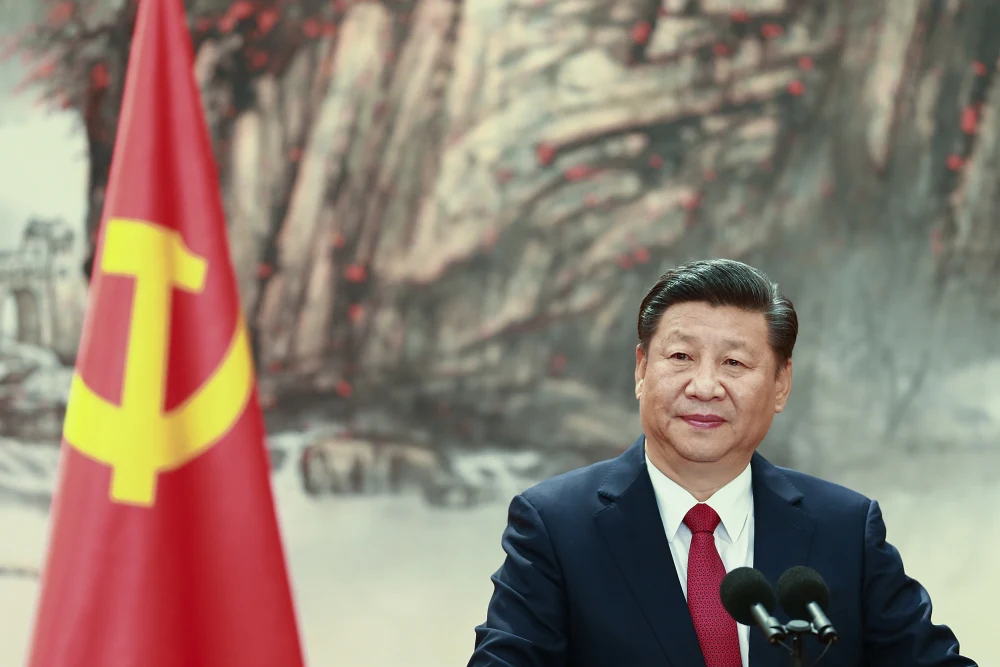
Xi Jinping warns Taiwan independence 2026 as China’s president reiterated a firm stance against any move toward separation during a high-level meeting with Taiwan opposition leader Cheng Li-wun. The remarks come at a time of heightened geopolitical tensions and increasing military pressure in the Taiwan Strait.
Xi Jinping Reaffirms China’s Position on Taiwan
Strong Warning Against Independence
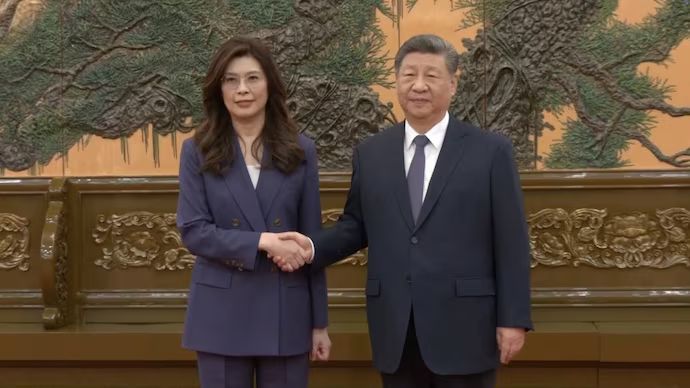
During the meeting, Xi Jinping emphasized that China would “absolutely not tolerate” Taiwan independence. He described any push for independence as a major threat to peace and stability in the region.
The statement reinforces Beijing’s long-standing position that Taiwan is part of China and must eventually be reunified. The message was delivered directly to Cheng Li-wun, chairwoman of Taiwan’s largest opposition party, the Kuomintang (KMT).
Call for Reunification Efforts
Xi also urged both sides to work toward advancing reunification, highlighting the importance of maintaining peace across the Taiwan Strait. He noted that global instability makes peace even more valuable, stressing the need for cooperation rather than confrontation.
Cheng Li-wun’s Visit Described as Peace Mission
Purpose of the Visit
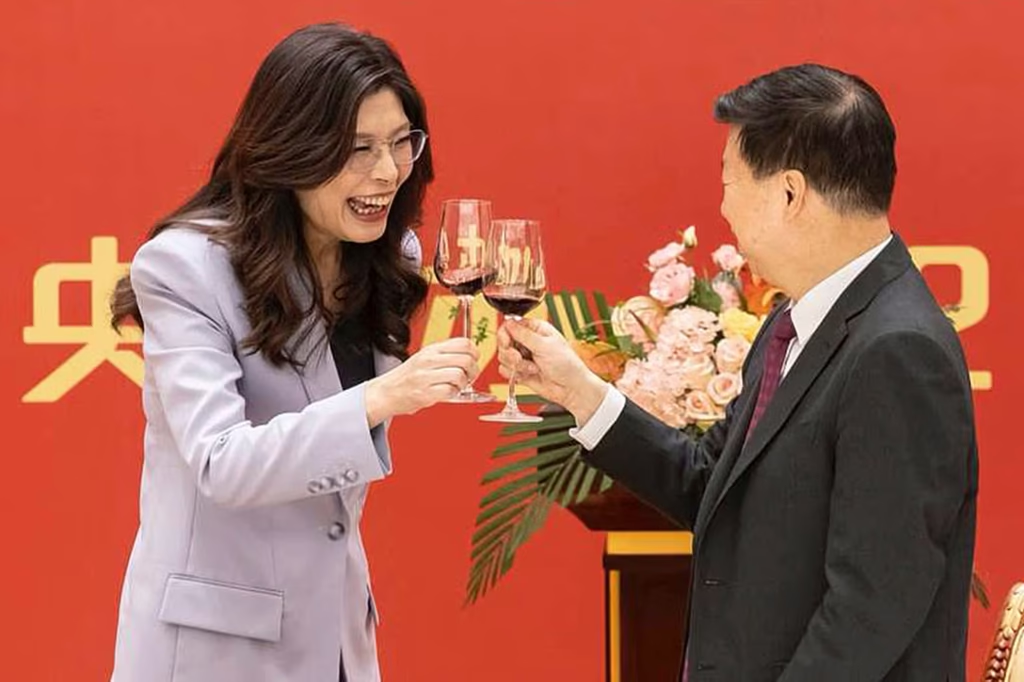
Cheng Li-wun described her trip to China as a “peace mission,” aimed at easing tensions between Beijing and Taipei. Her visit comes amid growing concerns over military activity and strained relations.
The Kuomintang party has historically supported closer ties with mainland China, favoring dialogue over conflict. This visit is seen as part of broader efforts to maintain communication channels during a sensitive period.
Political Context in Taiwan
Taiwan’s political landscape remains divided on relations with China. While the ruling government has taken a more cautious approach toward Beijing, opposition parties like the KMT advocate for engagement and reduced tensions.
Xi Jinping warns Taiwan independence 2026 in a context where internal political differences in Taiwan influence cross-strait relations and diplomatic strategies.
Rising Military Pressure in the Taiwan Strait
Increased Chinese Military Activity
China has recently intensified military exercises near Taiwan, raising concerns among regional observers and international stakeholders. These activities include:
- Naval drills in waters surrounding Taiwan
- Increased air patrols near Taiwanese airspace
- Strategic demonstrations of military readiness
Such actions are widely interpreted as signals of Beijing’s determination to prevent any moves toward independence.
Regional and Global Concerns
The Taiwan Strait is considered one of the most sensitive geopolitical hotspots in the world. Any escalation could have far-reaching consequences for regional stability and global trade routes.
Xi Jinping warns Taiwan independence 2026 amid these developments, underscoring the seriousness of China’s position.
Diplomatic Messaging and Strategic Implications
China’s Strategic Objectives
China’s leadership continues to frame reunification as a national priority. Statements like Xi’s serve both domestic and international purposes:
- Reinforcing sovereignty claims
- Sending signals to Taiwan’s political leaders
- Demonstrating resolve to the international community
Taiwan’s Response and Options
While Taiwan maintains its own political system and governance, it faces increasing pressure from Beijing. Options available to Taiwan include:
- Strengthening diplomatic alliances
- Enhancing defense capabilities
- Continuing dialogue through opposition channels
Xi Jinping warns Taiwan independence 2026 as part of a broader strategy that combines political messaging with military signaling.
Historical Background of China-Taiwan Relations
Origins of the Dispute
The division between China and Taiwan dates back to 1949, when the Chinese Civil War ended with separate governments established on the mainland and the island. Since then, Beijing has consistently viewed Taiwan as a breakaway province.
Evolution of Relations
Over the decades, relations have fluctuated between periods of tension and dialogue. Key developments include:
- Economic cooperation and trade ties
- Political negotiations through informal channels
- Periodic military confrontations and standoffs
Xi Jinping warns Taiwan independence 2026 within this long-standing historical framework, reflecting ongoing challenges in resolving the dispute.
Impact on Cross-Strait Relations
Short-Term Outlook
In the short term, Xi’s remarks may lead to increased caution in diplomatic engagements. Taiwan’s political leaders are likely to weigh their responses carefully to avoid escalation.
Long-Term Implications
The long-term outlook remains uncertain. Continued warnings and military activity could:
- Heighten tensions in the region
- Influence Taiwan’s domestic politics
- Affect international relations involving major powers
Xi Jinping warns Taiwan independence 2026 as part of an evolving geopolitical situation that continues to draw global attention.
Global Reactions and Observations
International Perspective
Countries around the world closely monitor developments in the Taiwan Strait. Stability in the region is critical due to its economic and strategic importance.
Economic Considerations
Taiwan plays a significant role in global supply chains, particularly in semiconductor production. Any disruption could have widespread economic consequences.
Diplomatic Balance
Nations often seek to balance relations with both China and Taiwan, navigating complex diplomatic considerations while advocating for peace and stability.
Future of China-Taiwan Relations
Possibilities for Dialogue
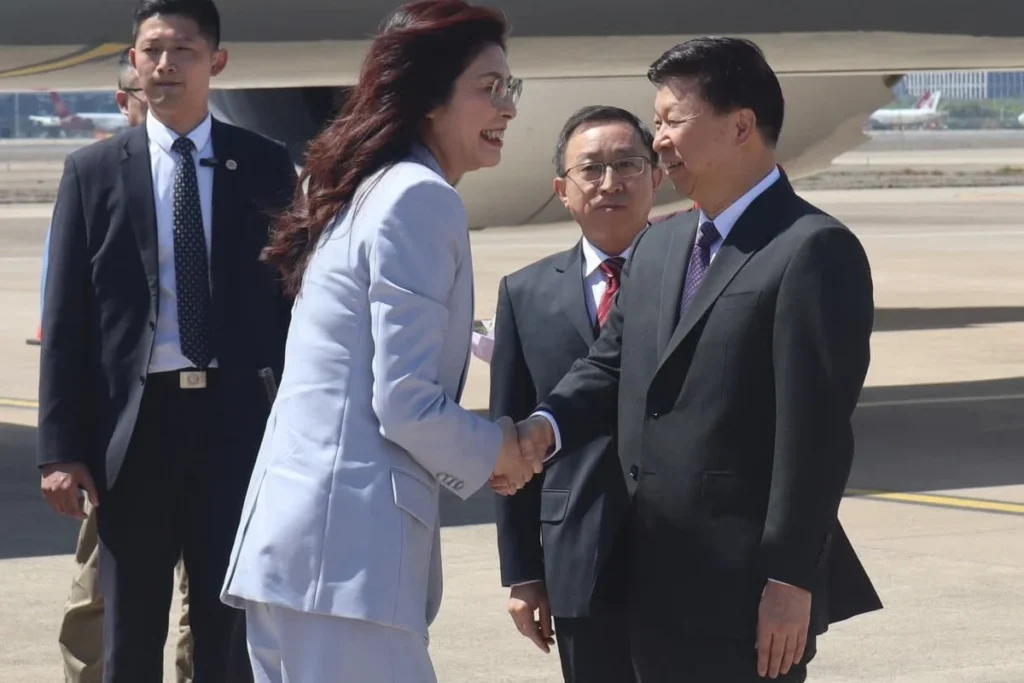
Despite tensions, dialogue remains a key pathway for reducing risks. Engagements like Cheng Li-wun’s visit highlight the potential for communication even during challenging times.
Risks of Escalation
However, continued warnings and military pressure could increase the risk of miscalculation or conflict. Maintaining stability will require careful diplomacy from all parties involved.
Xi Jinping warns Taiwan independence 2026 as both a signal of China’s stance and a reminder of the delicate balance required to maintain peace in the region.
FAQ
Q1: What did Xi Jinping say about Taiwan independence?
A1: He stated that China will “absolutely not tolerate” Taiwan independence and called for reunification efforts.
Q2: Who is Cheng Li-wun?
A2: She is the chairwoman of Taiwan’s Kuomintang party and is currently visiting China on a peace mission.
Q3: Why is the Taiwan Strait important?
A3: It is a key geopolitical and economic region, critical for global trade and regional stability.
Q4: What is the significance of this meeting?
A4: It reflects ongoing diplomatic engagement amid rising tensions and highlights China’s firm stance on Taiwan.
Conclusion
Xi Jinping warns Taiwan independence 2026 at a time of heightened tensions, reinforcing China’s long-standing position while emphasizing the importance of peace and reunification. As diplomatic efforts continue alongside military signaling, the situation in the Taiwan Strait remains a focal point of global attention. The path forward will likely depend on a balance of dialogue, restraint, and strategic decision-making by all parties involved.
PLEASE CLICK HERE FOR MORE NEWS