 0
0
 0
0
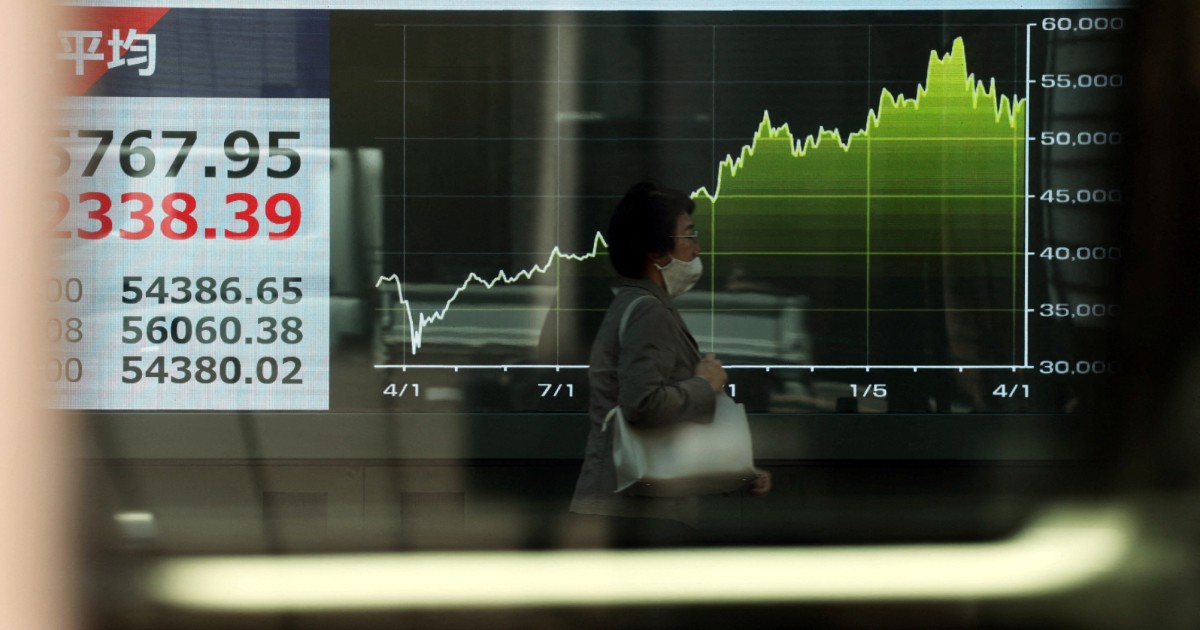
Japan bankruptcies Iran war costs 2026 are becoming a growing concern as rising energy prices and global supply disruptions begin to weigh heavily on businesses across the country.
New data shows that corporate failures are increasing while business sentiment is declining, highlighting the broader economic impact of geopolitical tensions in the Middle East.
Japan Bankruptcies Iran War Costs 2026 Driving Corporate Failures
Japan has recorded a steady rise in corporate bankruptcies, with fiscal year 2025 marking the fourth consecutive annual increase.
According to private sector data, total bankruptcies reached over 10,000 cases for the second straight year, signaling ongoing stress within the business environment.
Rising Bankruptcy Numbers Reflect Economic Strain
Key figures from recent data include:
- 10,425 bankruptcy cases recorded in fiscal 2025
- A 3.5% increase compared to the previous year
- Continued upward trend expected into fiscal 2026
These figures underscore the growing pressure on companies as operational costs rise.
Small and Medium Enterprises Most Affected
Smaller businesses are particularly vulnerable under the Japan bankruptcies Iran war costs 2026 trend.
Challenges facing these firms include:
- Limited financial reserves
- Difficulty passing increased costs to consumers
- Exposure to fluctuating fuel and raw material prices
As a result, many SMEs are at higher risk of closure.
Business Sentiment Weakens Across Japan
A separate government survey indicates that business confidence has declined significantly in recent months.
Decline in Current Economic Outlook
The index measuring current business sentiment dropped sharply in March, reflecting increased uncertainty.
Factors contributing to this decline include:
- Rising energy costs
- Supply chain disruptions
- Uncertainty surrounding global conflict
This weakening outlook aligns with broader concerns about economic stability.

Future Expectations Also Deteriorating
Forward-looking indicators suggest continued pessimism among businesses.
The sentiment index for the coming months has also declined, indicating that firms expect conditions to remain challenging in the near term.
Iran War Impact on Japan’s Economy
The escalation of conflict involving Iran has had far-reaching effects on global markets, including Japan’s import-dependent economy.
Surge in Oil Prices Increases Costs
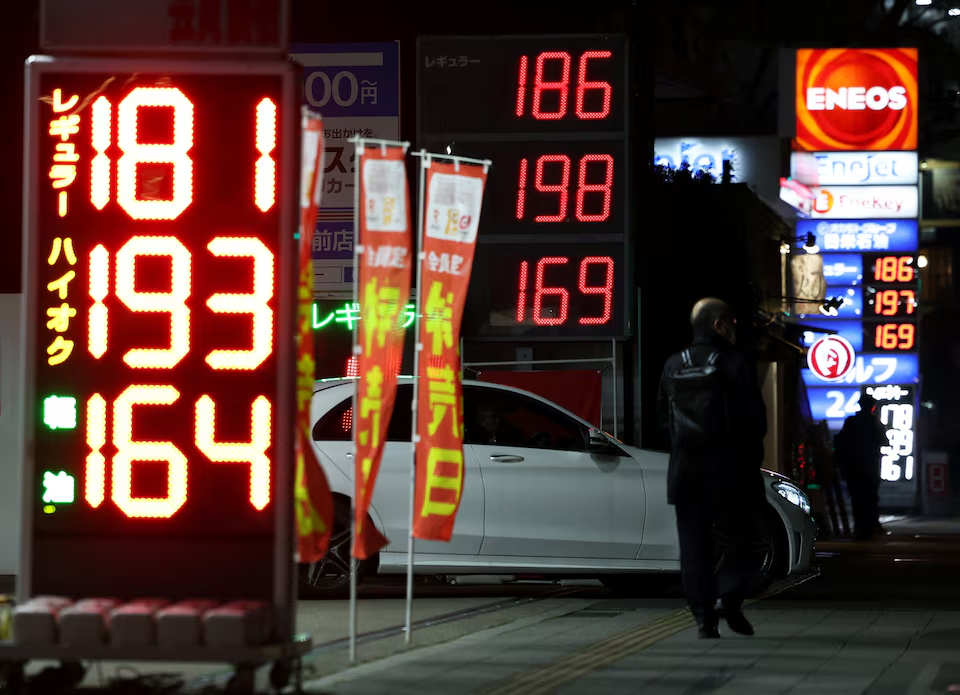
One of the most immediate impacts of the conflict is the sharp rise in crude oil prices.
Higher oil prices have led to increased costs for:
- Transportation and logistics
- Manufacturing processes
- Energy-intensive industries
This has significantly contributed to the Japan bankruptcies Iran war costs 2026 trend.
Broad Impact on Goods and Services
The rise in energy costs has also pushed up prices across multiple sectors, including:
- Plastic and chemical products
- Construction materials
- Fertilisers
These increases are affecting both producers and consumers, creating widespread economic pressure.
Japan Bankruptcies Iran War Costs 2026 and Supply Chain Disruptions
Supply chain disruptions linked to the Middle East conflict are further complicating recovery efforts.
Disruptions in Global Trade Routes
Tensions in key regions have affected the flow of goods and raw materials, leading to:
- Delays in shipments
- Increased transportation costs
- Reduced availability of essential inputs
These disruptions add another layer of difficulty for businesses already struggling with rising costs.
Compounding Pre-Existing Challenges
Even before the conflict escalated, Japanese companies were dealing with:
- Labour shortages
- Inflationary pressures
- Weak domestic demand
The Iran-related disruptions have intensified these existing issues.
Potential Surge in Bankruptcies by Summer 2026
Experts warn that the situation could worsen in the coming months.
Forecast for Fiscal 2026
Analysts expect:
- A spike in bankruptcies starting around summer 2026
- Continued upward trend in corporate failures
- Increased financial distress among vulnerable sectors
This projection highlights the urgency of addressing the economic challenges.
Key Risk Factors to Watch
Several factors will influence the trajectory of Japan bankruptcies Iran war costs 2026:
- Stability of global oil prices
- Resolution of geopolitical tensions
- Effectiveness of domestic economic policies
Any prolonged instability could accelerate business closures.

Monetary Policy Implications
The evolving economic situation presents a complex challenge for policymakers.
Balancing Inflation and Growth
Rising costs are contributing to inflation, while weakening demand threatens economic growth.
This creates a difficult balancing act for the central bank.
Interest Rate Decision in Focus
The Bank of Japan is expected to consider:
- Whether to raise interest rates
- How to manage inflationary pressures
- Ways to support economic recovery
Policy decisions in the coming months will be critical in shaping the outlook.
Long-Term Outlook for Japan’s Economy
The current challenges may have lasting effects on Japan’s economic structure.
Need for Structural Reforms
To improve resilience, Japan may need to focus on:
- Energy diversification
- Strengthening domestic supply chains
- Supporting small businesses
These measures could help mitigate future shocks.
Adapting to Global Uncertainty
Businesses and policymakers alike must adapt to an increasingly uncertain global environment.
The Japan bankruptcies Iran war costs 2026 trend serves as a reminder of how interconnected global economies are.
FAQ
Why are bankruptcies rising in Japan in 2026?
Bankruptcies are increasing due to rising energy costs, supply disruptions, and economic uncertainty linked to the Iran conflict.
How does the Iran war affect Japan’s economy?
The conflict drives up oil prices and disrupts supply chains, increasing costs for businesses and weakening economic stability.
Which businesses are most at risk?
Small and medium enterprises are most vulnerable due to limited financial resources and higher exposure to cost increases.
Will Japan’s economic situation improve soon?
Recovery depends on global stability, oil prices, and domestic policy responses, making the outlook uncertain.
Conclusion
The Japan bankruptcies Iran war costs 2026 trend reflects the significant impact of global geopolitical tensions on domestic economies. As rising energy costs and supply disruptions strain businesses, the risk of increased corporate failures remains high. While policy measures and global developments may influence the outcome, the current trajectory suggests continued economic challenges for Japan in the near term.