 0
0
 0
0
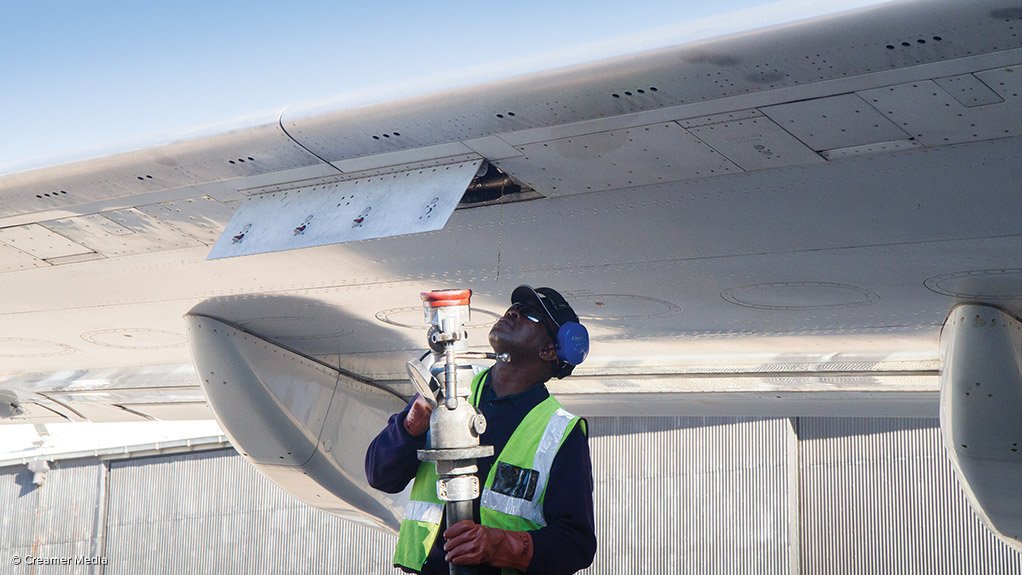
The Africa oil price surge impact 2026 is becoming increasingly evident as rising global oil prices put pressure on economies across the continent, affecting fuel costs, food prices, and overall economic stability.
Global Conflict Triggers Oil Price Spike
The recent surge in oil prices is linked to escalating geopolitical tensions involving United States, Israel, and Iran. The conflict, which intensified in late February 2026, disrupted key global oil supply routes.
A major turning point came when Iran closed the Strait of Hormuz, a critical passage responsible for transporting roughly 20% of the world’s oil supply.
Immediate Effects on Global Oil Markets
The disruption caused oil prices to surge past $100 per barrel, marking one of the most significant supply shocks in recent history. According to the International Energy Agency, this represents an unprecedented disruption in the global oil market.
Why the Strait of Hormuz Matters
-
It is a key transit route for global oil shipments
-
Any disruption leads to immediate supply shortages
-
Price volatility increases due to uncertainty in supply chains
African Economies Feel the Pressure
The Africa oil price surge impact 2026 is being felt widely across African countries, regardless of whether they produce oil or rely on imports.
Countries Most Affected
Experts from several African nations confirm that the economic strain is widespread, including in:
-
Kenya
-
Ethiopia
-
Senegal
Despite differences in economic structures, all these countries report similar challenges tied to rising oil prices.
Key Economic Pressures
The surge is driving:
-
Higher fuel prices for consumers
-
Increased transportation costs
-
Rising inflation across essential goods
-
Reduced purchasing power for households
Fuel Costs and Inflation Hit Households
Fuel is a critical input in nearly every sector of African economies, from transportation to agriculture. As oil prices rise, these costs are quickly passed on to consumers.
Impact on Daily Life
For ordinary citizens, the Africa oil price surge impact 2026 is most visible in:
-
Increased petrol and diesel prices
-
Higher public transport fares
-
Rising electricity costs in some regions
Inflationary Effects
The increase in fuel costs contributes directly to inflation, as businesses raise prices to offset higher operating expenses. This creates a cycle where:
-
Fuel prices rise
-
Transport costs increase
-
Food and goods become more expensive
-
Household budgets are strained
Food Prices and Agricultural Risks
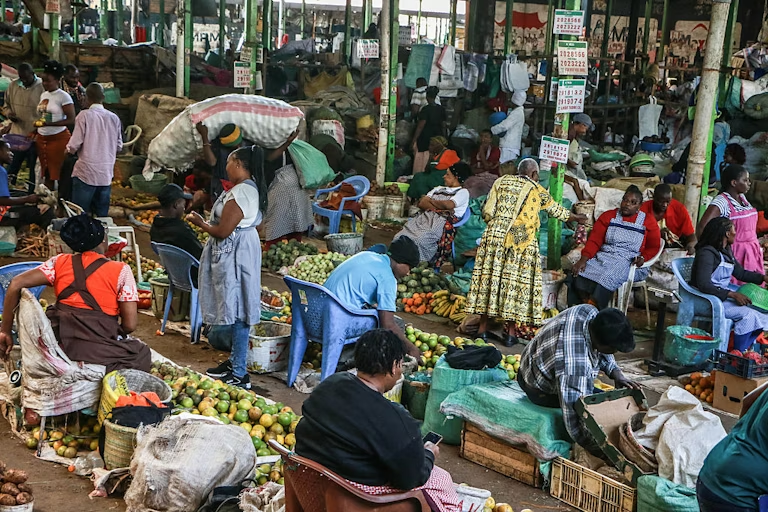
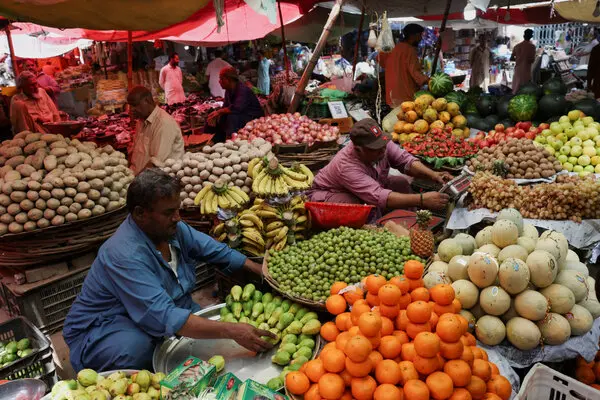
One of the most concerning aspects of the Africa oil price surge impact 2026 is its effect on food production and distribution.
Why Food Prices Are Rising
Agriculture depends heavily on fuel for:
-
Transportation of goods to markets
-
Operation of farming equipment
-
Storage and processing
As fuel becomes more expensive, the cost of producing and distributing food increases.
Potential Food Security Concerns
Experts warn that prolonged high oil prices could lead to:
-
Reduced food availability
-
Increased risk of food shortages
-
Greater vulnerability among low-income populations
This is particularly critical in countries where food imports play a major role in meeting demand.
Government Responses Across Africa
Governments across the continent are taking steps to cushion the impact of rising oil prices, though responses vary depending on fiscal capacity.
Fuel Subsidies in Ethiopia
In Ethiopia, authorities have introduced fuel subsidies to help reduce the burden on consumers. This approach aims to stabilize prices at the pump, though it may strain government finances over time.
Other Policy Measures
Across Africa, governments are considering or implementing:
-
Temporary tax reductions on fuel
-
Strategic fuel reserves management
-
Price controls in some sectors
Each approach comes with trade-offs, particularly in balancing fiscal sustainability with public relief.
Oil-Producing Countries Face Mixed Outcomes
Interestingly, even oil-producing nations are not immune to the Africa oil price surge impact 2026.
Nigeria’s Complex Position
Nigeria, one of Africa’s largest oil producers, could benefit from higher global prices through increased export revenue. However, experts caution that this does not automatically translate into economic relief for citizens.
Key concerns include:
-
Limited refining capacity
-
Continued reliance on fuel imports
-
Inefficiencies in revenue distribution
As a result, higher oil revenues may not significantly reduce domestic fuel costs.
Emerging Producers: Kenya and Senegal
Countries like Kenya and Senegal are in the early stages of oil production.
While higher prices could eventually benefit these nations, they are still:
-
Developing infrastructure
-
Scaling production capacity
-
Building regulatory frameworks
This means immediate gains from the price surge are limited.
Broader Economic Implications
The Africa oil price surge impact 2026 extends beyond fuel and food, affecting broader economic stability.
Impact on Businesses
Businesses face rising operational costs, which can lead to:
-
Reduced profit margins
-
Increased product prices
-
Slower economic growth
Small and medium enterprises are particularly vulnerable due to limited financial buffers.
Pressure on National Economies
At the macroeconomic level, countries may experience:
-
Currency depreciation
-
Increased trade deficits
-
Higher inflation rates
These factors can weaken economic resilience, especially in import-dependent economies.
Long-Term Outlook and Uncertainty
The future trajectory of the Africa oil price surge impact 2026 depends largely on global geopolitical developments and supply chain stability.
Key Factors to Watch
-
Duration of the Middle East conflict
-
Reopening of the Strait of Hormuz
-
Global oil production adjustments
Potential Scenarios
If prices remain high:
-
Economic pressures may intensify
-
Governments may face fiscal challenges
-
Households may continue to struggle with rising costs
If prices stabilize:
-
Inflation could ease
-
Economic recovery may begin
-
Policy adjustments may take effect
FAQ Section
How is the Africa oil price surge impact 2026 affecting everyday life?
It is increasing fuel costs, transportation fares, and food prices, making daily living more expensive for households.
Why did oil prices rise above $100 per barrel in 2026?
The increase was triggered by geopolitical tensions and the closure of the Strait of Hormuz, disrupting global oil supply.
Are oil-producing African countries benefiting from the surge?
While they may earn more from exports, the benefits often do not reach ordinary citizens due to structural challenges.
What are governments doing to reduce the impact?
Some countries are introducing fuel subsidies, tax reductions, and other measures to ease the financial burden on citizens.
Conclusion
The Africa oil price surge impact 2026 highlights the vulnerability of African economies to global energy shocks. While the causes lie beyond the continent, the consequences are deeply felt at both household and national levels. As governments respond and global conditions evolve, the situation remains a critical issue for economic stability and development across Africa.
Click here for more news