 0
0
 0
0
The World Economic Forum Epstein scandal 2026 has thrust the annual Davos meeting back into the spotlight amid intense criticism and renewed scrutiny of its leadership. This latest controversy comes after WEF President and CEO Børge Brende resigned following revelations of dinners, emails, and communications with convicted sex offender Jeffrey Epstein.
Brende, who led the organization until February 26, stated he was unaware of Epstein’s criminal history and would have avoided contact had he known. Critics argue that given Epstein’s conviction in 2008, Brende should have been aware before accepting invitations.
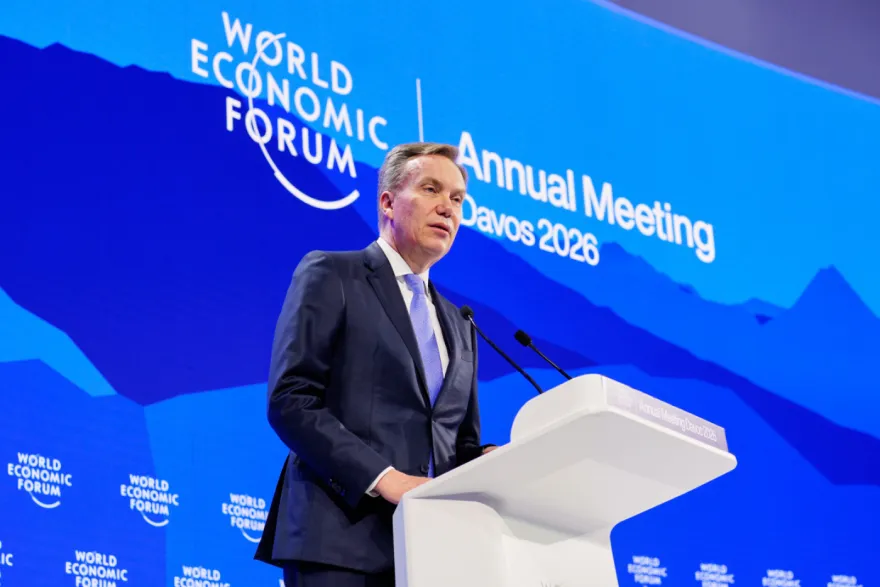
CEO Resignation Sparks Public Outcry
The WEF Epstein scandal 2026 has intensified public and media attention on the global forum, highlighting concerns about transparency and ethics at Davos.
Brende’s Statement
Brende said, “Had I known about his background, I would have declined the initial invitation to join Rod-Larsen and any subsequent dinner invitations or other communications.”
Despite his explanation, observers criticized Brende for lapses in due diligence, especially given his prior experience as Norway’s foreign minister from 2013 to 2017.
Expert Reactions
-
Ben Habib, leader of the British party Advance UK, stated: “If you are standing on a public stage, you have to know who you are standing with.”
-
Alan Mendoza, founder of the Henry Jackson Society, emphasized that individuals in positions of authority must carefully consider associations, raising questions about how many with criminal records have attended WEF events.
WEF’s History of Controversies
The WEF Epstein scandal 2026 follows previous high-profile issues at the organization.
Klaus Schwab Controversy
In July of last year, Klaus Schwab, the founder of WEF, stepped down amid allegations regarding misuse of WEF funds and mistreatment of staff. Although both Schwab and his wife were cleared of material wrongdoing by the board, minor irregularities were acknowledged, attributed to blurred lines between personal contributions and Forum operations.
Political Criticism
Prominent figures, including Argentina’s President Javier Milei, have criticized WEF’s influence on global policy. At Davos, Milei warned that the Western world risks being undermined by collectivist and socialist policies encouraged by such international organizations.
U.S. Commerce Secretary Howard Lutnick also criticized the forum, arguing that offshoring and globalist economic strategies have left America behind, while European renewable energy policies may create dependence on China.
Epstein Connections and Ethical Implications
The WEF Epstein scandal 2026 underscores ethical challenges for global organizations hosting influential figures.
The Epstein Factor
Despite Epstein’s death in 2019, past interactions with WEF leadership continue to generate scrutiny. The situation has heightened calls for stronger vetting processes, transparency, and ethical accountability within high-profile international forums.
Broader Implications
Experts warn that continued associations with controversial figures can damage an organization’s credibility and diminish public trust in global policy discussions.
WEF in Context
Founded in 1971, the World Economic Forum convenes world leaders, business executives, and academics annually in Davos, Switzerland, to discuss global economic, political, and social issues. Despite its prominence, the organization has faced criticism over transparency, governance, and perceived elitism.
Critiques from Global Leaders
-
Argentina’s Javier Milei: Warned Davos about the dangers of socialism and collectivism.
-
U.S. Commerce Secretary Howard Lutnick: Criticized globalization and European energy policy.
-
Ben Habib: Called WEF policies a diversion of power and wealth, describing the forum’s influence as a form of “fascism.”
These statements reflect the continuing polarization around WEF’s role in shaping international policy and economics.

Moving Forward
The World Economic Forum Epstein scandal 2026 has reignited discussions on leadership accountability and ethical governance. Observers note that the organization must adopt stricter vetting procedures and improve transparency to maintain credibility and relevance in global policymaking.
Potential Reforms
-
Strengthened background checks for invited participants
-
Increased reporting and disclosure on leadership decisions
-
Enhanced ethical oversight from independent bodies
By addressing these issues, WEF may mitigate reputational damage and regain trust among member nations and the global public.
FAQ
What caused the World Economic Forum Epstein scandal 2026?
It stemmed from revelations that WEF President and CEO Børge Brende had communications and dinners with convicted sex offender Jeffrey Epstein, leading to his resignation.
Who resigned due to the scandal?
Børge Brende, the president and CEO of WEF, resigned in February 2026 following the controversy.
Has WEF faced scandals before?
Yes, including the 2025 resignation of founder Klaus Schwab after allegations of fund misuse and mistreatment of staff, though both Schwab and his wife were cleared.
What are the implications for WEF?
The scandal has raised questions about vetting, transparency, and ethical accountability for participants, potentially affecting the forum’s global credibility.
Conclusion
The World Economic Forum Epstein scandal 2026 illustrates the continuing challenges for international organizations in maintaining ethical standards and public trust. The resignation of a top executive and renewed criticism underscore the importance of vigilance, transparency, and responsible governance in global forums.