 0
0
 0
0
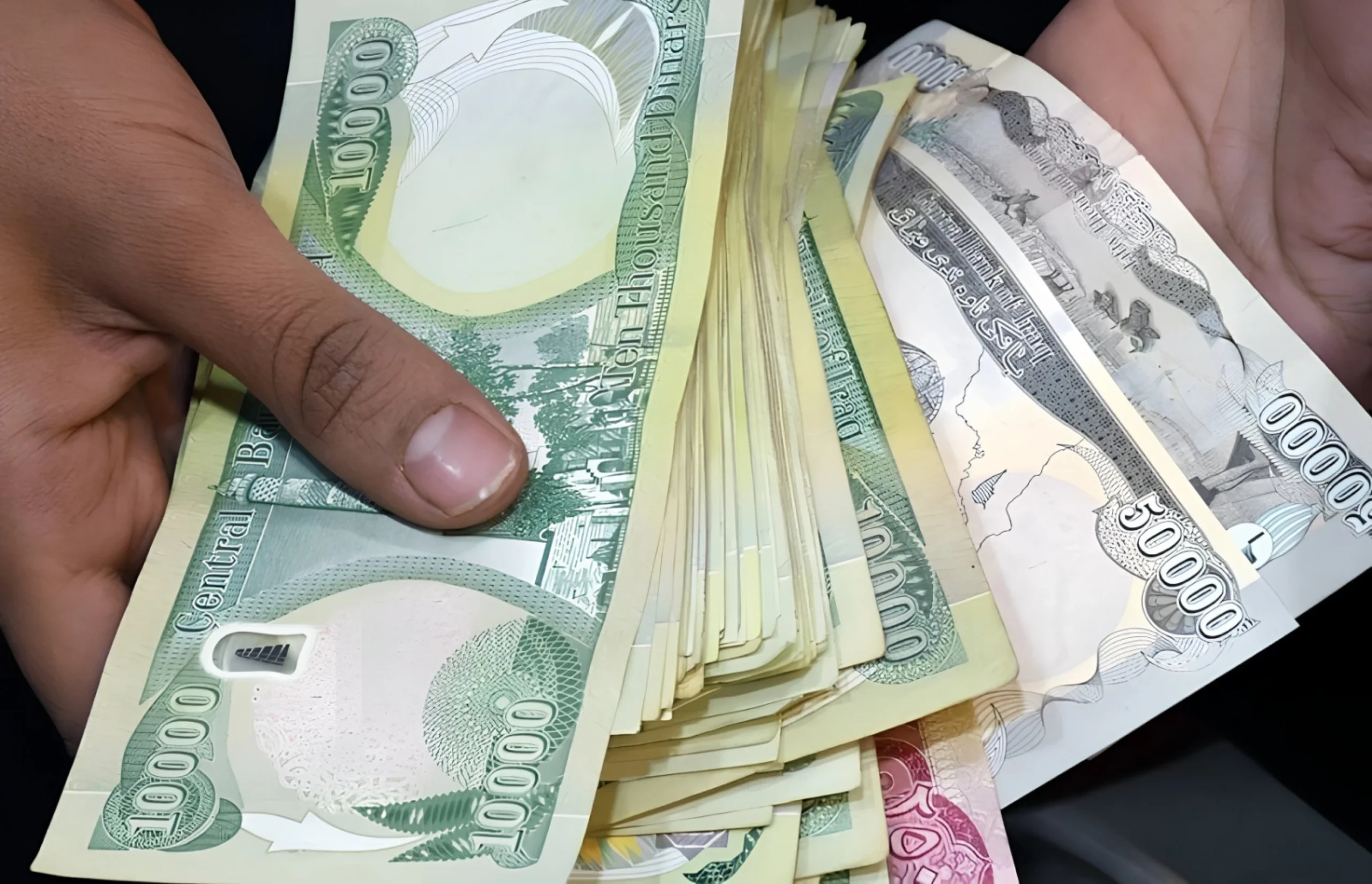
The Iraq salaries crisis is intensifying as the government faces a looming financial shortfall if oil exports through the Strait of Hormuz continue to be disrupted. Mazhar Mohammed Salih, a financial adviser to the prime minister, warned on Saturday that Iraq could rely on domestic borrowing to cover wages for civil servants and social welfare payments if the blockade persists.
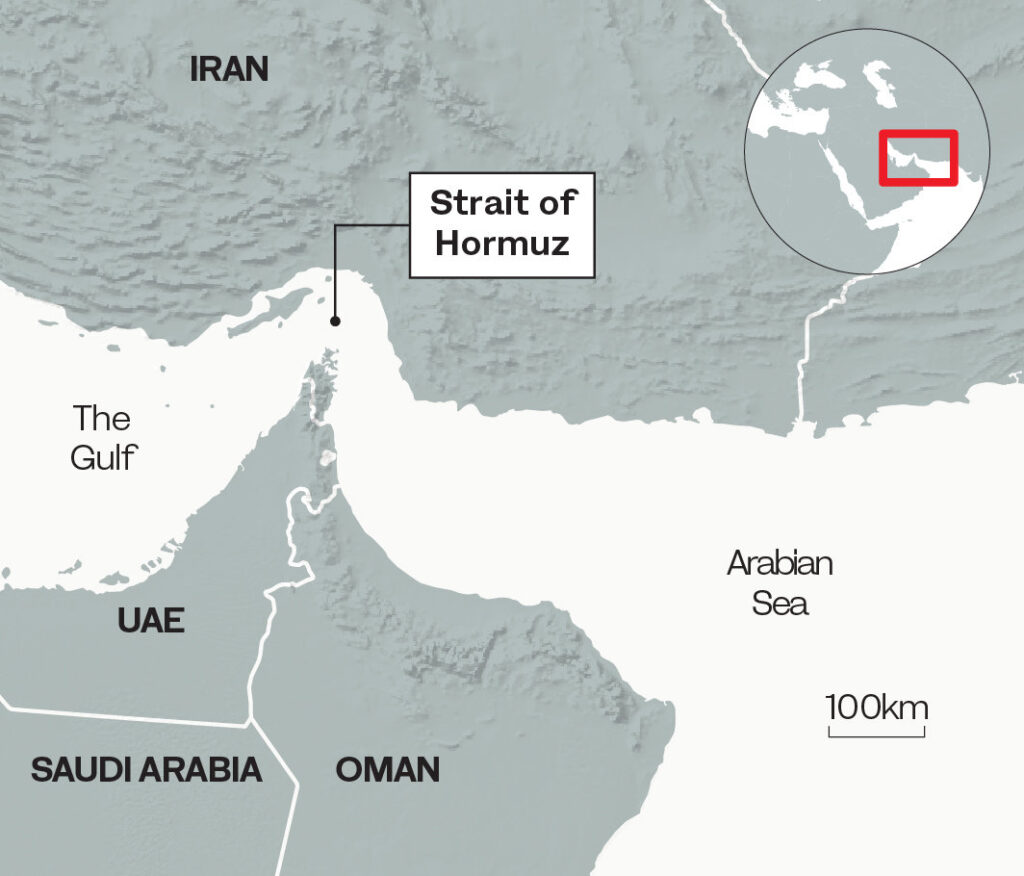
Oil Export Disruptions Threaten Iraq salaries crisis
Salih explained that while Iraq is financially secure for the next five months, any prolonged obstruction of oil exports would severely impact the government’s ability to pay salaries.
“The effect will not appear now because oil is exported first and priced later,” Salih said, noting that the consequences would likely become evident in about two months.
He added that domestic borrowing is the government’s main option to maintain salary payments and cover external obligations during the ongoing crisis.
“The government has no solution other than resorting to borrowing to provide salaries and pay external obligations,” Salih emphasized.
Impact of US-Israel-Iran Conflict
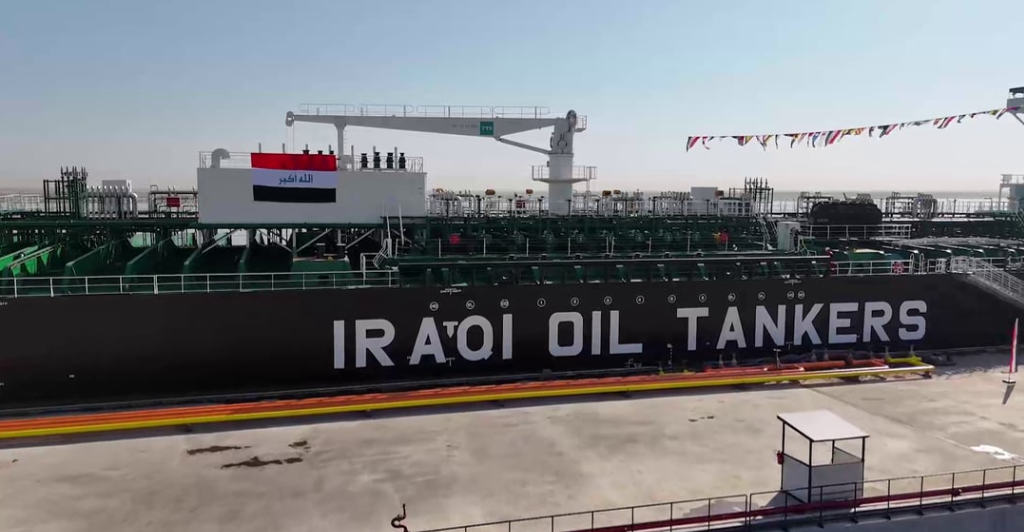
The ongoing conflict involving the United States, Israel, and Iran has disrupted maritime shipping through the Strait of Hormuz, a crucial oil transit route. Iranian forces have attacked multiple vessels attempting to cross, creating uncertainty for Iraq’s oil revenue streams.
Typically, Iraq deposits its monthly oil revenues into accounts at the US Federal Reserve before transferring them back to the country. In January and February 2026, no transfers were received due to war-related flight suspensions, and a March transfer was also delayed.
“All of Iraq’s cash reserves that it claims to have are dependent on oil revenues held in the United States. Now that the routes are closed, those revenues are inaccessible, and Iraq has fallen into a severe crisis,” an Iraqi government source said.
If the blockade continues, Iraq may be unable to pay salaries to employees in both federal and Kurdistan regional institutions.
Tehran Signals Continued Blockade
Iran’s Supreme Leader, Mojtaba Khamenei, pledged to continue attacks on US military bases if they are used against Iran and committed to maintaining the blockade of the Strait of Hormuz. These developments heighten the urgency of addressing Iraq’s salaries crisis.
Government Plans and Public Implications
Iraq’s authorities are considering coordination between monetary and fiscal policies to manage the crisis. Salih noted that the country’s foreign reserves could provide temporary support, but domestic borrowing may be inevitable if oil revenue transfers remain blocked.
For Iraqi citizens, this could mean delayed or reduced wages, potential austerity measures, and tightened social welfare payments in the coming months. Civil servants and vulnerable communities are advised to prepare for possible disruptions while authorities work on mitigating the financial impact.
Potential Austerity Measures
To address the Iraq salaries crisis, the government may implement temporary austerity measures, including delayed salary payments, reduced pensions, and stricter oversight of public spending. Officials are also exploring how to prioritize critical sectors while maintaining essential public services.
Long-Term Economic Risks
Experts warn that prolonged disruption of oil exports could have ripple effects on Iraq’s economy, including increased public debt, lower investor confidence, and slower development projects. Effective management of the crisis is critical to prevent a broader economic downturn.
Strategic Coordination Needed
Salih emphasized the importance of strategic coordination between Iraq’s Ministries of Finance, Oil, and Planning to navigate the crisis. By aligning fiscal policies, monitoring cash flow, and utilizing foreign reserves wisely, the government hopes to mitigate the impact of the ongoing conflict.
Preparing for an Economic Fallout
Experts warn that prolonged disruption of oil exports could have ripple effects on Iraq’s economy, including increased public debt and reduced investor confidence. The government may implement temporary financial measures to safeguard essential services and stabilize the economy while navigating the Iraq salaries crisis.
PLEASE CLICK HERE FOR MORE NEWS