 0
0
 0
0
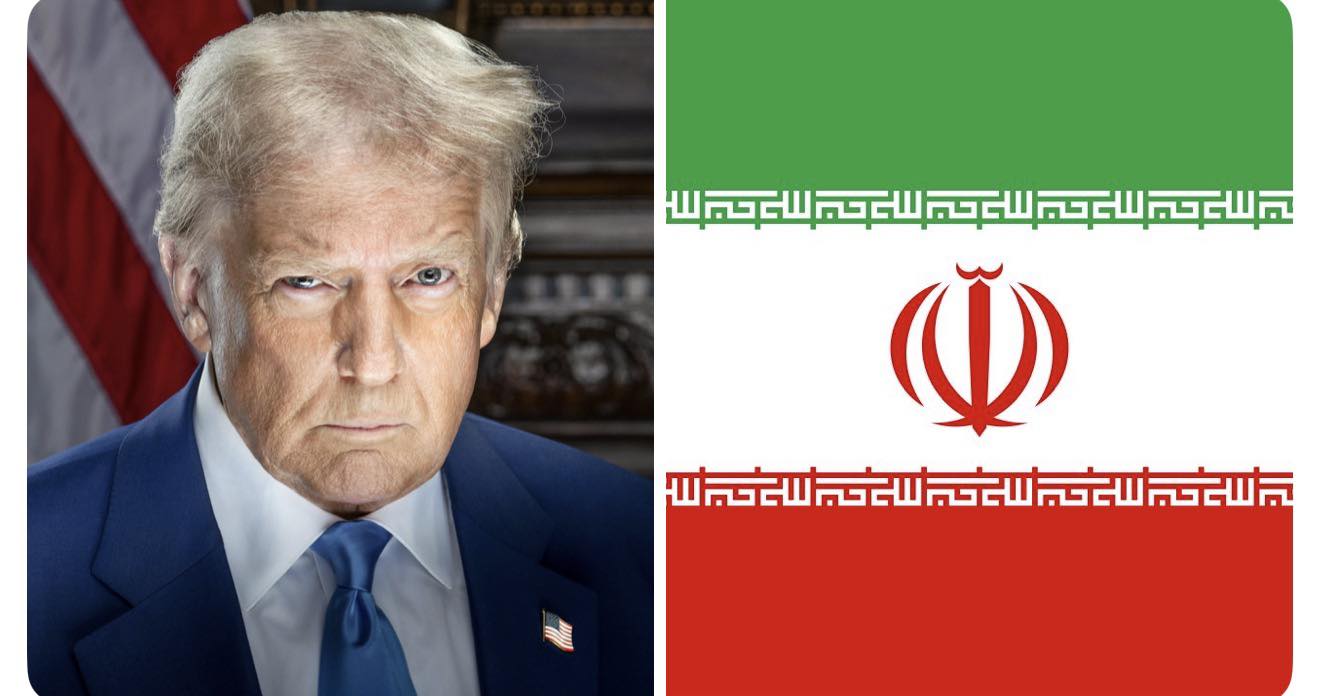
Trump Iran war victory claim drew global attention on March 9, 2026, when U.S. President Donald Trump stated that military operations against Iran are nearing completion, far ahead of initial timelines.
In a phone interview with CBS News from Florida, Trump described the situation as “very complete, pretty much.” He highlighted the rapid degradation of Iran’s military assets, stating, “They have no navy, no communications, they’ve got no air force.” Trump noted that the battlefield progress exceeds expectations, with the conflict advancing much faster than the originally projected four to five weeks as Trump Iran war victory claim
The U.S. and Israel initiated joint military operations against Iran on February 28, 2026. These actions targeted Iranian air bases, missile facilities, communications networks, air defense systems, and naval installations. The strikes aimed to dismantle key elements of Iran’s conventional military infrastructure through concentrated aerial and missile campaigns.
Trump’s remarks, reported by CBS White House correspondent Weijia Jiang, spread quickly across international outlets such as Reuters, AP, The Times of Israel, and Hindustan Times. Observers interpreted the statement as an indication that the main phase of the conflict may have reached a decisive point.
Trump also referenced the strategic importance of the Strait of Hormuz, a vital chokepoint for approximately 20 percent of global seaborne oil supplies. He suggested potential U.S. involvement in securing the passage amid ongoing tensions.
Pentagon Offers Cautious Assessment to Trump Iran War Victory Claim
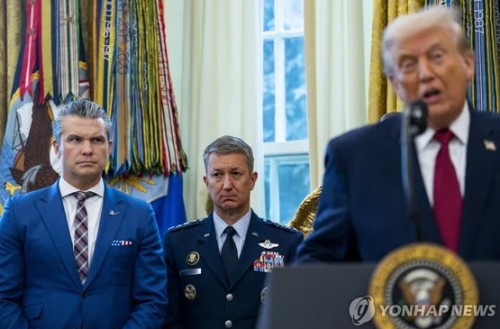
Despite the optimistic tone from the White House, Department of Defense officials expressed more reserved views. Military sources indicated that while Iran’s conventional forces have sustained major losses, it remains premature to declare the conflict resolved.
Pentagon assessments point to persistent risks from Iran’s asymmetric capabilities. These include proxy militias, underground networks, and surviving military units that could prolong engagements. Officials stressed that the current phase might represent only the initial stages of broader operations.
This difference in messaging between political leadership and military experts has fueled debate over the true status of the battlefield.
Strategic Context and Potential Motivations
Analysts suggest Trump’s declaration could form part of a broader psychological strategy. By emphasizing early successes and disrupted Iranian command structures, the approach may aim to pressure Tehran toward de-escalation or negotiations.
The operations have weakened Iran’s ability to coordinate large-scale responses. Intensive strikes have targeted critical infrastructure, limiting conventional retaliation options.
However, uncertainties persist regarding Iran’s leadership response. With figures such as Supreme Leader Mojtaba Khamenei and the Islamic Revolutionary Guard Corps in key positions, a decision to pursue extended resistance could widen the conflict across the region.
Risks of Escalation and Regional Impact
Potential escalation pathways include actions by Iran-aligned militias in neighboring countries, attempts to disrupt maritime shipping lanes, and effects on global energy markets. Disruptions in the Strait of Hormuz could lead to significant volatility in oil prices and supply chains.
International observers continue monitoring developments closely. Questions remain about whether the Trump Iran war victory claim reflects an imminent resolution or serves as a political signal ahead of more challenging phases.
The conflict’s trajectory depends on decisions from all involved parties. As operations continue, the focus stays on balancing military gains with efforts to avoid prolonged instability in the Middle East.