


 0
0
 0
0
River Blindness Prevention Campaign efforts in Kogi State have intensified as the Ministry of Health inaugurated the 2025 Mass Administration of Medicines for onchocerciasis control. The large scale River Blindness Prevention Campaign aims to reach 4.5 million residents aged five years and above across all 3,200 communities in the state.
The initiative is being implemented by the Kogi State Ministry of Health Neglected Tropical Disease Programme in collaboration with Sightsavers. Officials say the campaign is part of sustained efforts to eliminate river blindness, a disease that remains endemic in several parts of the state.
Government Commitment to Disease Elimination
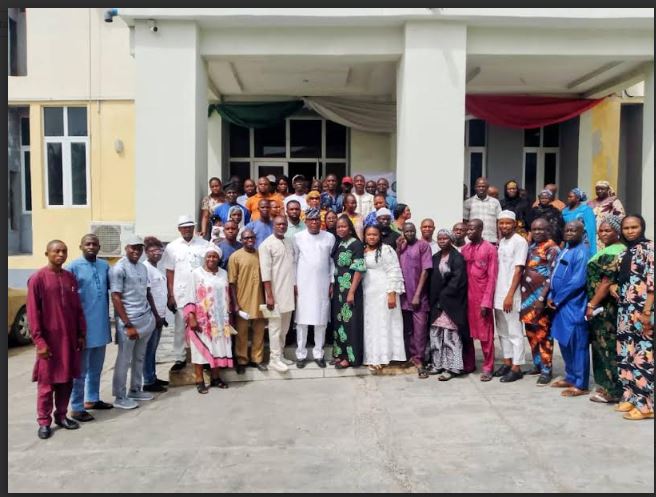
Speaking at the inauguration ceremony in Lokoja, the State Commissioner for Health reaffirmed the government’s commitment to strengthening the River Blindness Prevention Campaign. The commissioner, represented by the Permanent Secretary of the ministry, stated that the exercise would review progress made so far and address gaps ahead of the next Mectizan distribution cycle scheduled for March.
The administration of Ahmed Ododo has pledged to prioritise public health interventions aimed at improving the well being of residents. According to officials, the Ministry of Health will continue to provide leadership, coordination, and support for neglected tropical disease elimination programmes.
Coverage Across 3,200 Communities
The 2025 River Blindness Prevention Campaign will extend to all 3,200 communities in Kogi State. Health authorities noted that the campaign targets residents aged five years and above, ensuring broad geographical and therapeutic coverage.
Mass administration of medicines has been a central strategy in combating onchocerciasis. Through community based distribution systems, trained health workers and volunteers will administer Mectizan to eligible individuals over a ten day period.
Officials emphasised that inclusive planning and community participation are critical to the success of the River Blindness Prevention Campaign.
Why River Blindness Remains a Concern in Kogi
Kogi State remains endemic for onchocerciasis due to its water rich environment. Major rivers including the River Niger and the River Benue flow through several local government areas, creating favourable breeding grounds for blackflies that transmit the disease.
The State NTD Coordinator explained that river blindness treatment has been ongoing in Kogi since 1997. Over 27 rounds of mass drug administration have been conducted during this period.
While significant progress has been recorded, health officials acknowledge that some communities still face persistent transmission. The River Blindness Prevention Campaign therefore seeks not only to sustain treatment but to close remaining gaps toward full elimination.
Strategic Planning and Micro Planning Approach
Stakeholders at the inauguration meeting highlighted the need for improved micro planning strategies. The River Blindness Prevention Campaign will involve reviewing previous implementation data, identifying underserved areas, and conducting targeted investigations where coverage was low.
The programme includes collaboration with health department heads, data managers, and representatives from relevant organisations to ensure comprehensive coverage.
The involvement of regulatory bodies such as National Agency for Food and Drug Administration and Control adds an additional layer of oversight to guarantee safety and compliance in medicine distribution.
Role of Development Partners
The River Blindness Prevention Campaign is being supported by development partners, particularly Sightsavers, which has played a longstanding role in neglected tropical disease control programmes in Nigeria.
Programme officers stressed that the 2025 campaign is designed to ensure no eligible resident misses out on treatment. By addressing gaps observed in previous years, the campaign aims to move from sustained control toward complete elimination of the disease.
Officials reiterated that the goal is not merely continued treatment but measurable progress toward stopping transmission entirely.
Community Engagement and Public Participation
Health authorities have urged residents to actively participate in the River Blindness Prevention Campaign when distribution begins in March. Community leaders, faith based organisations, and local health volunteers are expected to support mobilisation efforts.
Participants at the inauguration meeting pledged their commitment to achieving full coverage. They emphasised that strong community ownership is essential to the long term success of disease elimination efforts.
Residents are encouraged to cooperate with trained medicine distributors and ensure that eligible family members receive treatment during the ten day distribution window.
Long Term Impact of the River Blindness Prevention Campaign
River blindness, also known as onchocerciasis, can lead to severe itching, skin changes, visual impairment, and permanent blindness if untreated. Preventive treatment through annual or biannual mass drug administration remains one of the most effective strategies for interrupting transmission.
By targeting 4.5 million residents, the River Blindness Prevention Campaign represents one of the largest coordinated public health interventions in the state this year.
Health experts note that sustained high coverage over consecutive years is required to completely eliminate the disease. Therefore, consistent participation by residents remains crucial.
Outlook for 2025 Elimination Goals
The River Blindness Prevention Campaign aligns with broader national and global efforts to eliminate neglected tropical diseases. Through strengthened partnerships, improved planning, and expanded coverage, Kogi State aims to accelerate progress toward elimination targets.
Officials expressed confidence that with continued collaboration between government agencies, development partners, and local communities, the state can significantly reduce transmission rates in the coming years.
As preparations advance for the March distribution cycle, the River Blindness Prevention Campaign stands as a critical public health initiative designed to protect millions of residents and move closer to a river blindness free Kogi State.
If successfully implemented with high compliance and community engagement, the campaign could mark a decisive step toward ending onchocerciasis transmission in affected communities across the state.
For more news, please visit our homepage


