 0
0
 0
0
US Iran Hormuz blockade warning 2026 has intensified global tensions after the United States cautioned that Iran’s actions in the Strait of Hormuz could mark a critical turning point. The warning came during a heated United Nations Security Council session following a veto by Russia and China on a resolution addressing the crisis.
US Issues Strong Warning at UN
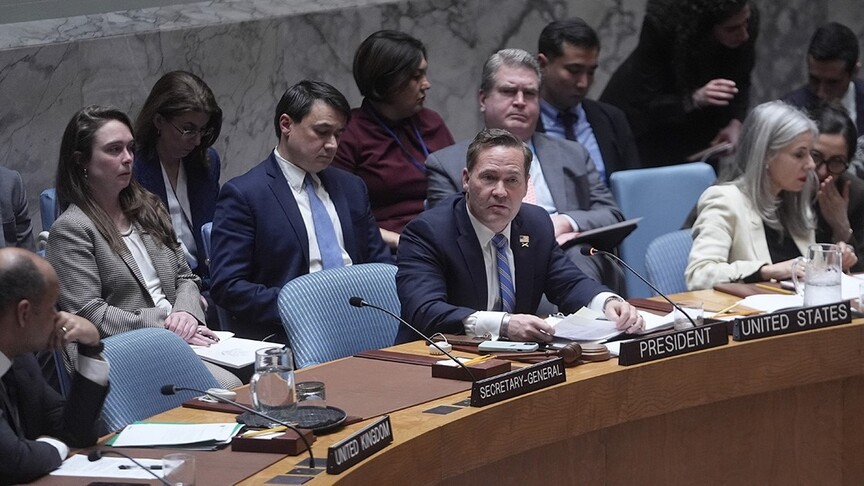
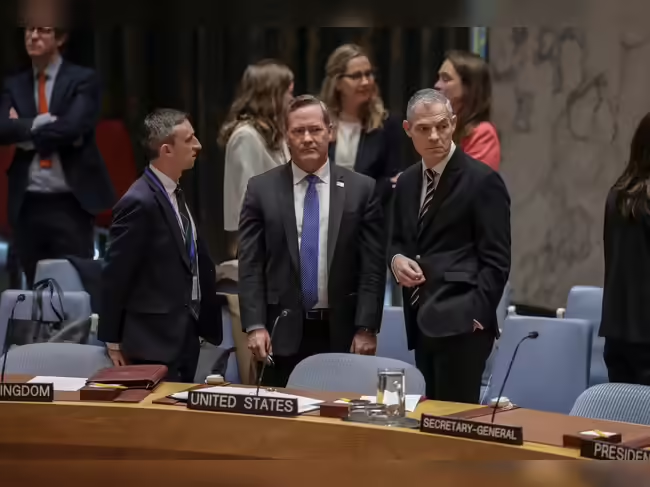
The US Iran Hormuz blockade warning 2026 was delivered by Mike Waltz during a Security Council meeting, where he sharply criticized Iran’s actions.
Key Message
Waltz warned that Iran’s control of the Strait of Hormuz could be its “last act,” signaling the seriousness of the situation and potential consequences.
Diplomatic Context
- The remarks followed a failed UN resolution
- The proposal aimed to secure navigation in the Strait of Hormuz
- It included coordinated defensive measures by member states
The US Iran Hormuz blockade warning 2026 underscores growing urgency among global powers to address the disruption.
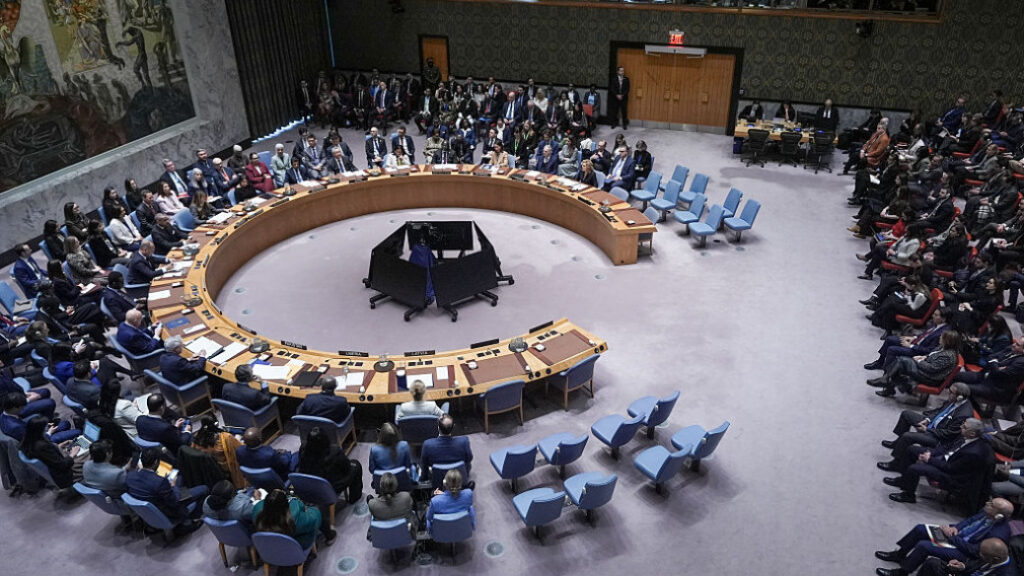
UN Resolution Blocked by Russia and China
A central development in the US Iran Hormuz blockade warning 2026 was the veto of a key resolution by Russia and China.
Details of the Vote
- 11 countries supported the resolution
- Colombia and Pakistan abstained
- Russia and China vetoed the proposal
Purpose of the Resolution
The measure sought to:
- Protect international shipping routes
- Ensure safe passage through the Strait
- Deter attempts to block maritime traffic
The veto has further complicated diplomatic efforts to resolve the crisis.
Strategic Importance of the Strait of Hormuz
The US Iran Hormuz blockade warning 2026 centers on the significance of the Strait of Hormuz in global trade and energy supply.
Why It Matters
- A major route for global oil shipments
- Essential for international commerce
- Critical for humanitarian aid transport
Humanitarian Concerns
US officials highlighted that the blockade is affecting:
- Delivery of medical supplies
- Transport of food and shelter materials
- Aid operations in multiple regions
These disruptions have raised concerns beyond economic impacts.
Accusations Against Russia and China
The US Iran Hormuz blockade warning 2026 included strong criticism of Moscow and Beijing.
US Allegations
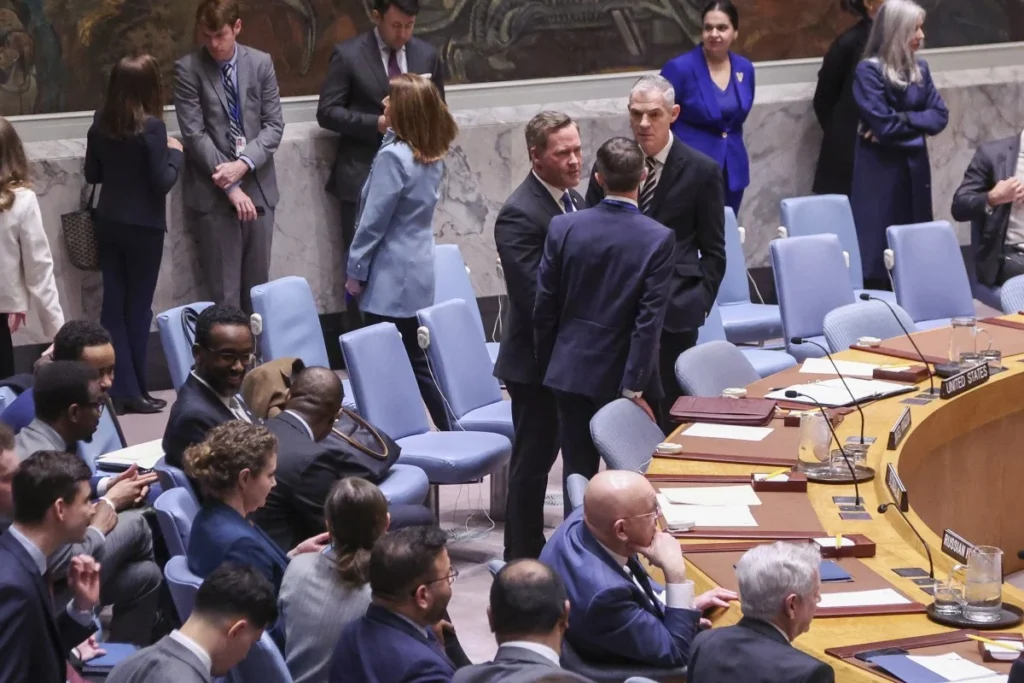
Waltz accused:
- Russia of supplying military equipment to Iran
- China of importing large volumes of Iranian oil
- Both countries of supporting Iran diplomatically
Diplomatic Fallout
The accusations signal:
- Increasing divisions among global powers
- Rising geopolitical rivalry
- Challenges in reaching multilateral agreements
Iran’s Position and Regional Tensions
The US Iran Hormuz blockade warning 2026 reflects ongoing tensions between Iran and its international counterparts.
Iran’s Actions
Iran has:
- Asserted control over the Strait of Hormuz
- Maintained its strategic stance in the region
- Continued to resist external pressure
Broader Conflict Context
The situation is linked to:
- Ongoing military operations in the region
- Escalating tensions with Western nations
- Strategic competition in the Middle East
Continued US Military and Diplomatic Efforts
Despite the US Iran Hormuz blockade warning 2026, Washington emphasized that diplomatic options remain open.
Military Operations
US officials confirmed ongoing operations aimed at:
- Securing maritime routes
- Protecting regional stability
- Achieving strategic objectives
Diplomatic Approach
- The US stated readiness for meaningful dialogue
- Efforts to resolve the crisis continue
- Engagement with international partners remains active
Global Economic and Security Impact
The US Iran Hormuz blockade warning 2026 has significant implications for global markets and security.
Economic Effects
- Potential disruptions to oil supply
- Increased market volatility
- Rising concerns over energy security
Security Risks
- Increased military presence in the region
- Potential for further escalation
- Heightened alert among neighboring countries
FAQ
Q: What is the US Iran Hormuz blockade warning 2026 about?
A: It refers to the US warning Iran over its control of the Strait of Hormuz and the potential global consequences.
Q: Why did Russia and China veto the UN resolution?
A: They opposed the proposed measures to secure navigation, though specific reasons were not detailed in the report.
Q: Why is the Strait of Hormuz important?
A: It is a key global trade and energy route, essential for oil shipments and international commerce.
Q: Is diplomacy still possible?
A: Yes, the US has stated it remains open to diplomatic solutions despite ongoing tensions.
Conclusion
The US Iran Hormuz blockade warning 2026 highlights a critical moment in international relations, with major powers divided over how to address the situation. As tensions continue to rise, the balance between military action and diplomatic resolution will play a key role in shaping the outcome of this crisis.
PLEASE CLICK HERE FOR MORE NEWS