 0
0
 0
0
The South Africa World Cup loss analysis has become a major discussion point after Bafana Bafana suffered a 2-0 defeat to Mexico in the opening match of the 2026 FIFA World Cup. Despite entering the tournament with confidence and high expectations, South Africa struggled to cope with the intensity of the occasion as Mexico capitalized on mistakes to secure an important victory.
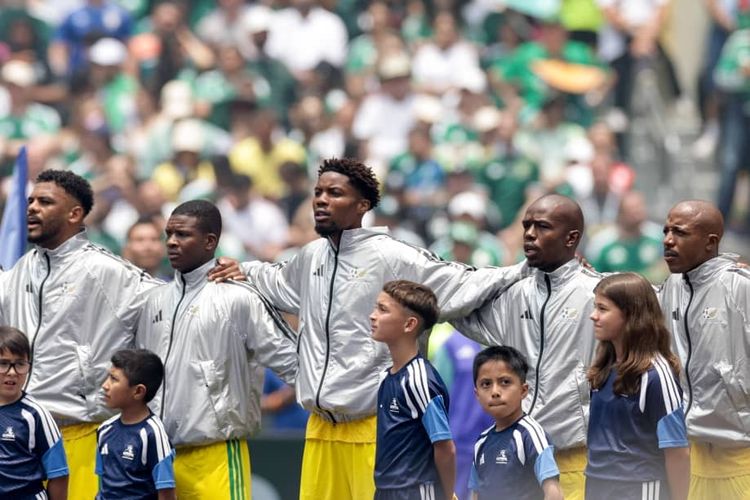
Former Super Eagles captain and coach Sunday Oliseh believes the result was influenced more by psychological pressure than football quality. According to him, South Africa appeared overwhelmed by the atmosphere of the World Cup opener and the challenge of facing the host nation in front of a packed stadium.
The defeat leaves South Africa with plenty of work to do in Group A, while Mexico have taken an early step toward qualification for the knockout rounds.
South Africa World Cup Loss Analysis: Why Mexico Dominated
Mexico delivered a composed and disciplined performance from the opening whistle. Playing in front of a passionate home crowd at the famous Estadio Azteca, the co-hosts immediately looked comfortable and in control.
The home side pressed aggressively, moved the ball quickly, and prevented South Africa from finding any attacking rhythm. Their approach paid off within the opening minutes as they took advantage of a costly midfield error.
Early Goal Changes the Match
Mexico opened the scoring in the ninth minute through Julián Quiñones. The goal came after South African midfielder Sphephelo Sithole lost possession in a dangerous area.
Mexico quickly regained the ball and launched an attack before Quiñones calmly finished past goalkeeper Ronwen Williams. The early breakthrough shifted momentum firmly in favor of the hosts and forced South Africa to chase the game.
Home Support Gives Mexico an Advantage
The atmosphere inside Estadio Azteca was one of the major factors influencing the contest.
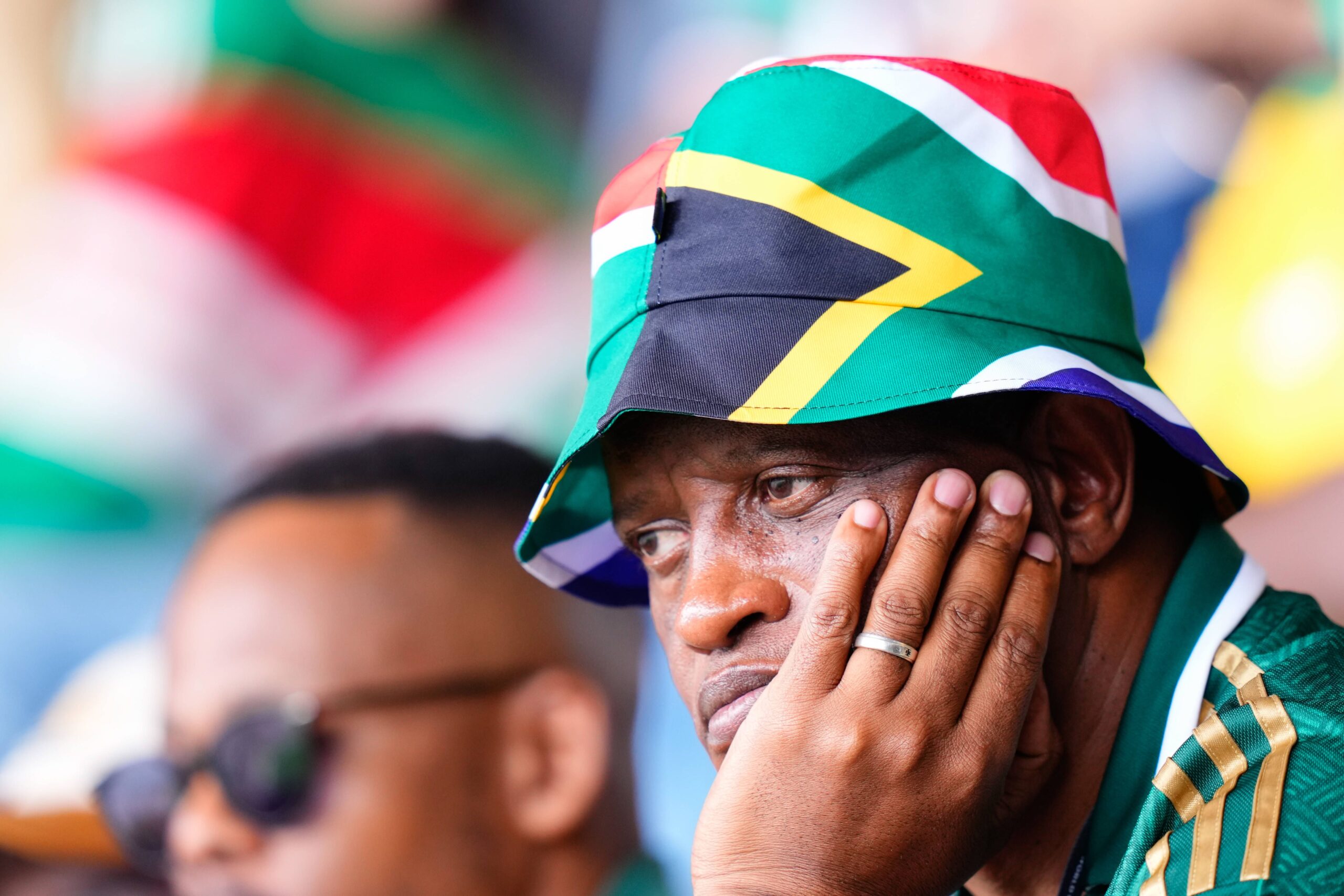
More than 80,000 supporters filled the stadium and created an intimidating environment. Mexico appeared energized by the support, while South Africa struggled to settle into the match.
The crowd’s influence became increasingly evident as the game progressed and pressure mounted on the visitors.
Sunday Oliseh Explains South Africa’s Performance
A significant part of the South Africa World Cup loss analysis focuses on comments made by Sunday Oliseh following the match.
The former Nigerian international argued that South Africa’s defeat had less to do with tactics and more to do with handling the pressure of the occasion. He suggested that the players appeared affected by the scale of the event and the intensity generated by the home crowd.
According to Oliseh, South Africa are a stronger team than they showed on the night.
Psychological Pressure at Major Tournaments
The FIFA World Cup presents unique challenges that many teams struggle to manage.
Players are expected to perform under enormous pressure while representing their nations on the biggest stage in football. Even experienced professionals can find it difficult to maintain composure during key moments.
This South Africa World Cup loss analysis suggests that mental factors may have played a major role in the outcome.
Big Stages Can Produce Unexpected Results
History has shown that talented teams can underperform when faced with intense expectations.
While South Africa entered the tournament with optimism, the opening match demonstrated how quickly pressure can influence performance levels, discipline, and decision-making.
Raúl Jiménez Adds the Second Goal
Mexico remained in control for most of the contest and eventually doubled their advantage during the second half.
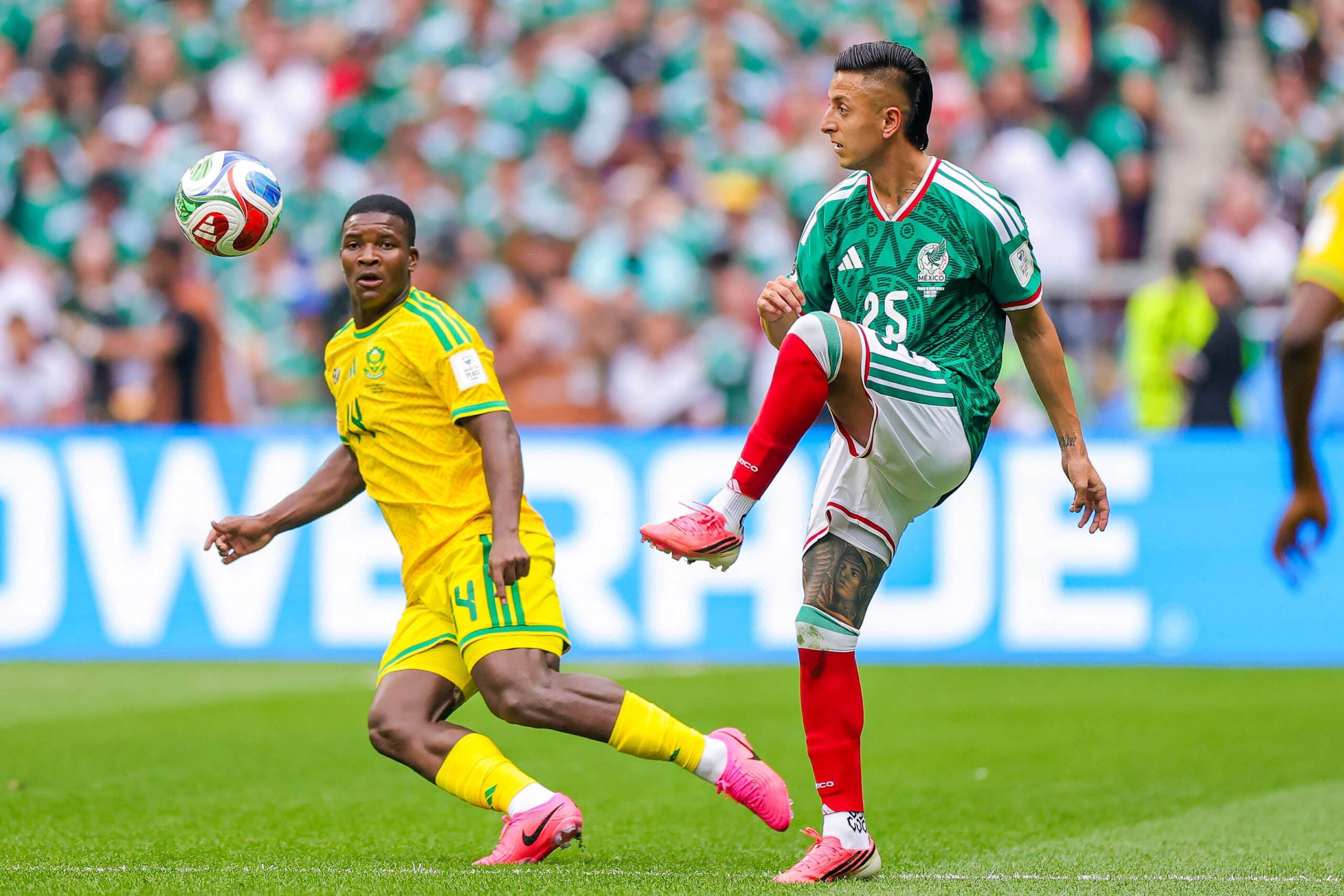
Veteran striker Raúl Jiménez scored in the 67th minute after connecting with a well-placed cross from Roberto Alvarado. The goal effectively ended South Africa’s hopes of a comeback and secured all three points for the hosts.
It was also a memorable moment for Jiménez, who scored his first World Cup goal despite participating in four different tournaments.
Experience Proves Valuable
Mexico’s experienced players played a crucial role in maintaining control.
Their composure, leadership, and ability to capitalize on opportunities highlighted the difference between the two sides during critical moments of the match.
Red Cards Deepen South Africa’s Problems
South Africa’s challenges increased significantly after halftime.
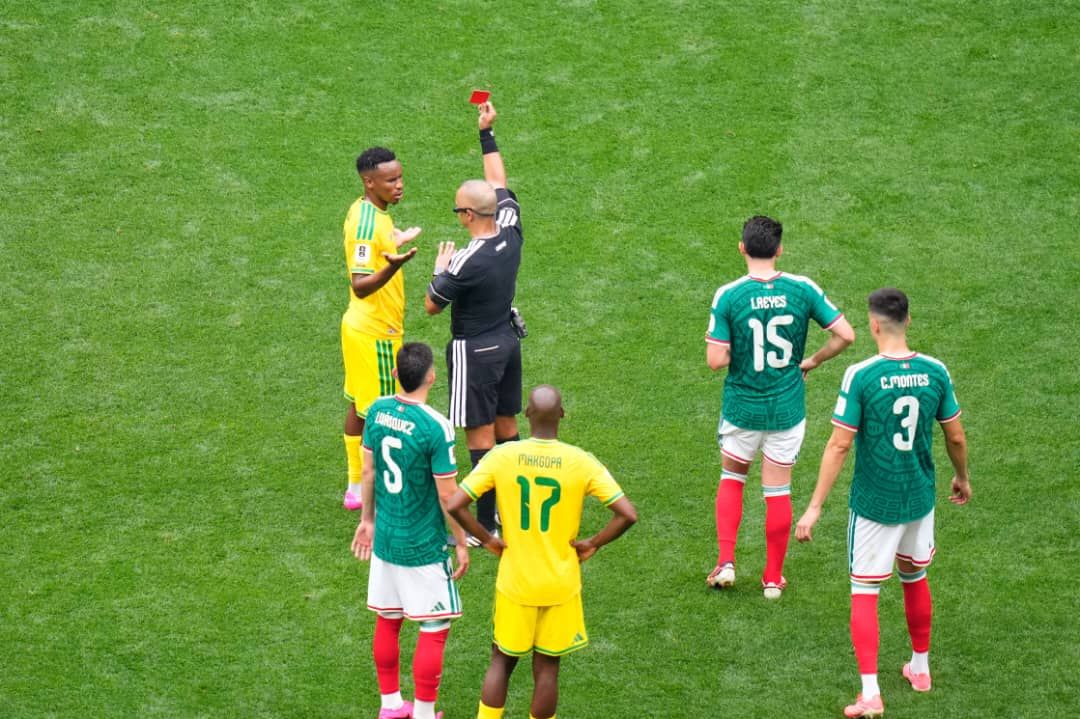
Sphephelo Sithole received a red card in the 49th minute after bringing down a Mexican attacker who appeared to be through on goal. The dismissal left Bafana Bafana with ten players and made their task considerably more difficult.
Later in the match, another disciplinary issue compounded their problems.
VAR Leads to Second Sending Off
Themba Zwane was shown a red card following a VAR review that determined he had struck Roberto Alvarado in the face.
Reduced to nine men, South Africa had little chance of recovering against a confident Mexican side.
Mexico also finished the game with ten players after César Montes received a red card during stoppage time. However, the outcome had already been decided by that stage.
Historic Disciplinary Record
The South Africa World Cup loss analysis also reveals an unwanted record.
South Africa became only the second team in World Cup history to have two players sent off in a tournament opener. The match itself produced three red cards, the highest number ever recorded in an opening World Cup fixture.
Statistics Support the South Africa World Cup Loss Analysis
The numbers from the match underline Mexico’s dominance.
Key statistics included:
- 61 percent possession for Mexico
- 16 total shots for Mexico
- Only 3 shots for South Africa
- 91 percent passing accuracy by Mexico
- Two goals scored by the hosts
The match statistics further support the South Africa World Cup loss analysis by demonstrating Mexico’s superiority in nearly every key area.
Possession and Passing Control
Mexico controlled the pace of the game through accurate passing and intelligent movement.
Their ability to maintain possession prevented South Africa from creating meaningful attacking opportunities and allowed the hosts to dictate the flow of play throughout the contest.
What the Result Means for Group A
The South Africa World Cup loss analysis shows why Bafana Bafana now face a difficult challenge in Group A.
The defeat leaves them at the bottom of the standings without a point and increases the importance of their upcoming fixtures.
Their next match will be against Czechia, but they will be without suspended duo Sithole and Zwane.
South Africa Must Respond Quickly
To remain in contention for qualification, South Africa must improve several aspects of their performance:
- Maintain discipline throughout matches
- Reduce defensive mistakes
- Create more attacking chances
- Improve composure under pressure
- Respond positively to setbacks
Mexico Gain Valuable Momentum
Mexico’s victory provides an ideal start to their campaign.
With three points already secured, the hosts can approach their next fixture against South Korea with increased confidence and momentum.
Key Lessons From the South Africa World Cup Loss Analysis
Several important lessons emerge from the South Africa World Cup loss analysis.
First, major tournaments require not only talent but also mental resilience. Second, discipline remains essential, particularly in high-pressure matches. Finally, experience and composure often make the difference between victory and defeat.
Many observers believe the South Africa World Cup loss analysis points to psychological factors as one of the biggest reasons behind the disappointing result.
However, the tournament remains young, and South Africa still have opportunities to recover and compete for qualification.
FAQ
Why did Sunday Oliseh say South Africa lost to Mexico?
Oliseh believes South Africa struggled primarily because of psychological pressure rather than a lack of football quality or tactical preparation.
What does the South Africa World Cup loss analysis reveal about the Mexico match?
The South Africa World Cup loss analysis suggests that pressure, red cards, and Mexico’s dominance in possession and chances created were decisive factors.
How many red cards were shown during Mexico vs South Africa?
Three red cards were shown during the match, including two for South Africa and one for Mexico.
Can South Africa still qualify from Group A?
Yes. Although the opening defeat was a setback, South Africa still have remaining group matches and can improve their chances with positive results.
Overall, the South Africa World Cup loss analysis indicates that South Africa’s defeat resulted from a combination of psychological pressure, disciplinary issues, and Mexico’s superior performance. While the loss places Bafana Bafana under pressure, the team still has opportunities to respond and keep its World Cup hopes alive.
PLEASE CLICK HERE FOR MORE NEWS