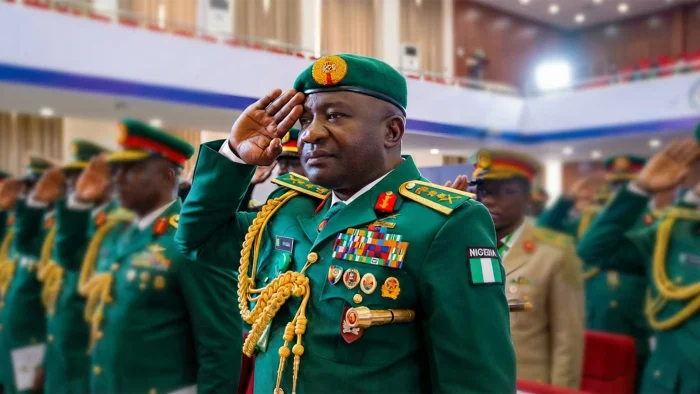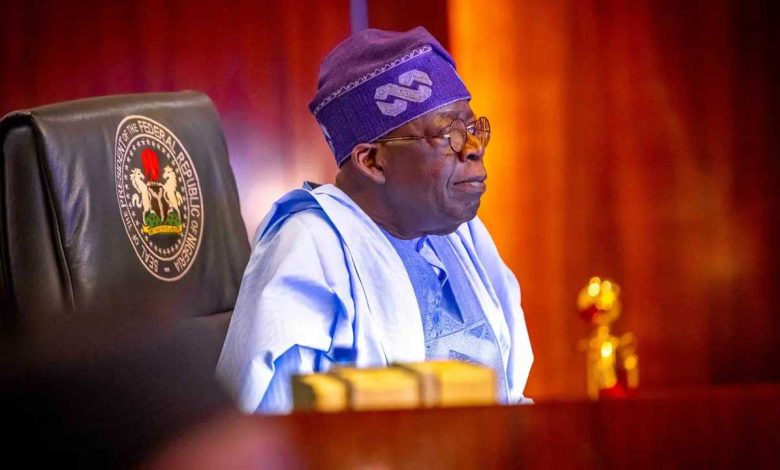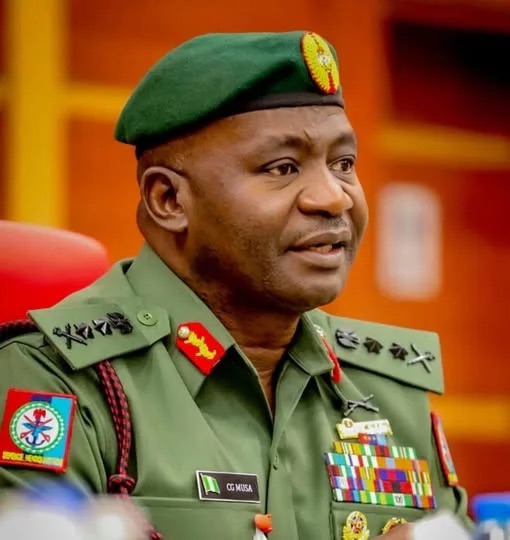
Discussions about mandatory military training for citizens in Nigeria have started again, leading to public debate about national security, economic challenges, and civic responsibilities. Nigeria’s Minister of Defence, General Christopher Gwabin Musa (retd.), has spoken about the country’s defence plans and explained the government’s position on compulsory military service. The issue gained more attention online after old videos resurfaced and discussions continued about how civilians are dealing with security challenges and economic pressures.
![]()
The Ministry of Defence says that strengthening national security remains a priority. However, any new security policy must follow the Constitution, consider the country’s economic situation, and be practical. The ongoing debate highlights the need to balance national security plans with the economic and social challenges faced by millions of Nigerians.
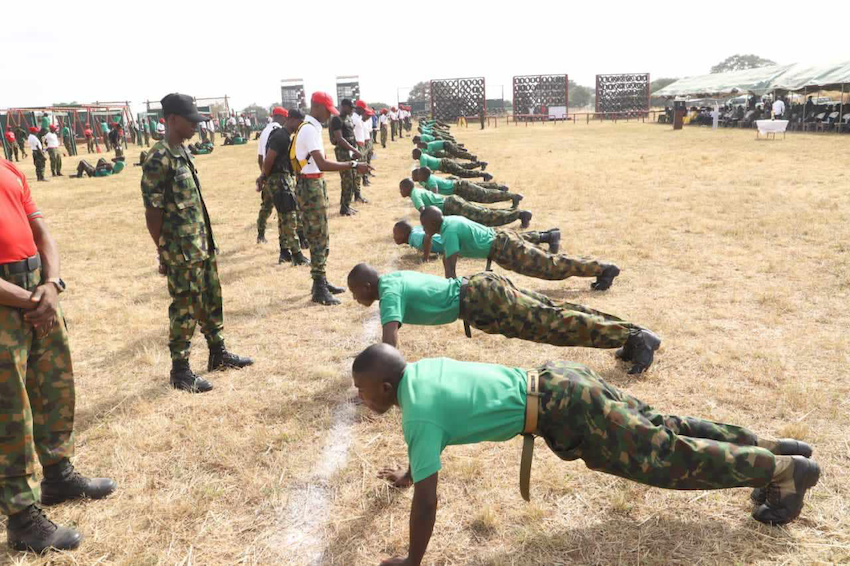
Public interest grew as social media users discussed civilian self-defense and national security. However, the government says it is not introducing compulsory military service and is instead focused on improving defence through better funding, intelligence, and modern equipment.
Mandatory Military Training For Citizens
A nationwide military service program would require a lot of money and resources. Military experts say training, uniforms, accommodation, food, and other needs for millions of young Nigerians would put a heavy financial burden on the government.
Nigeria already has the National Youth Service Corps (NYSC), a program created in 1973 to promote youth development and national unity. It includes a compulsory three-week orientation camp with basic drills, physical exercises, and leadership training.

Defence officials say the NYSC helps young Nigerians build discipline and connect with people from different parts of the country without joining the military. Some proposals suggest expanding skills and disaster response training through the NYSC instead of creating a separate compulsory military service
The debate over mandatory military training for citizens in Nigeria comes as the country faces high food prices, inflation, unemployment, and rising living costs. Social media users have shared different views, with some saying that daily economic struggles already require great strength and resilience.

Civil society groups and public analysts have different views on military-style civic training. Some support programs that promote discipline and responsibility, while others want the government to focus on jobs, economic growth, and lower food prices.
Click here for more news