0
0
 0
0
Nigeria electricity energy theft has continued to place heavy pressure on the country’s already struggling power sector, with experts pointing to illegal electricity consumption, outdated metering systems, and infrastructure failures as key drivers of ongoing instability.
Industry stakeholders say both consumers and institutions contribute to revenue losses within the electricity value chain, affecting electricity generation, transmission, and distribution nationwide.
According to energy sector analysts, the combination of poor infrastructure and weak monitoring systems continues to reduce efficiency and limit progress in the sector.
Experts Raise Concerns Over Nigeria Electricity Energy Theft
Energy experts have warned that electricity theft remains one of the biggest financial and operational challenges affecting Nigeria’s power industry.
Consumer-level electricity theft practices
At the consumer level, energy theft reportedly occurs through several illegal methods.
Common practices include:
- Meter bypassing
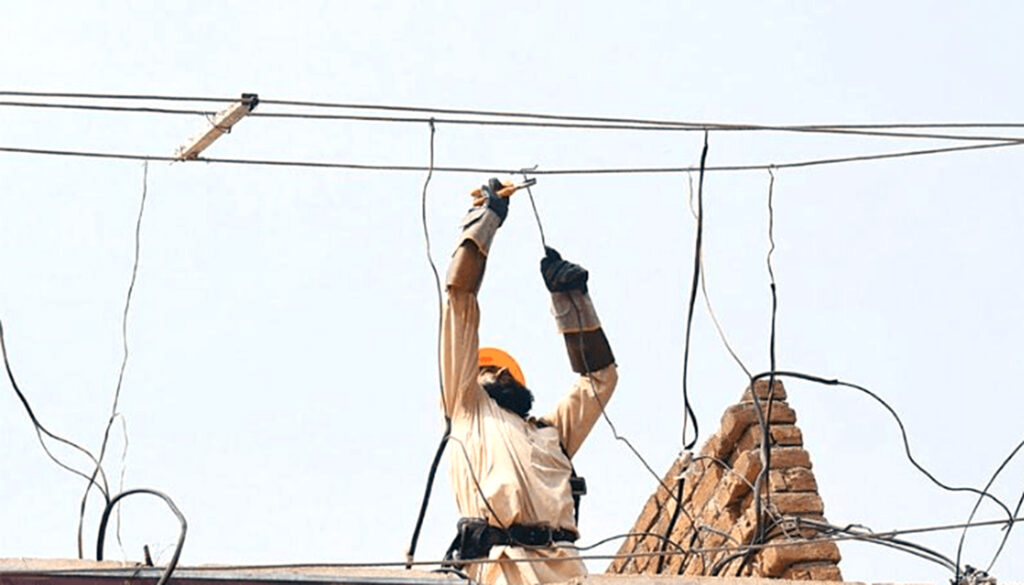
- Illegal power connections
- Unauthorized cable installations
- Manipulation of estimated billing systems
Analysts explain that some consumers connect directly to electricity supply lines without proper metering, making it difficult for electricity providers to track actual usage.
Underground cable connections and illegal access
Some individuals reportedly install underground cables directly into homes or business premises to avoid official billing systems.
This form of Nigeria electricity energy theft creates serious challenges for power distribution companies because electricity consumption cannot be accurately measured or billed.
Obsolete Metering Systems Deepen Electricity Sector Problems
In addition to consumer-related theft, experts say outdated metering systems within the electricity sector itself contribute significantly to operational losses.
Defective and outdated electricity meters
Industry observers note that several wholesale meters used across the electricity value chain are obsolete or poorly configured.
Affected areas include:
- Generation companies (GenCos)
- Transmission systems
- Distribution companies (DisCos)
According to experts, inaccurate meter readings can distort actual electricity generation and supply figures.
Inaccurate readings and billing concerns
Faulty or outdated meters may result in:
- Incorrect electricity consumption data
- Disputes over billing and settlements
- Inefficient subsidy calculations
- Revenue leakages across the power sector
The Nigeria electricity energy theft issue is therefore not limited to consumers alone but also involves infrastructure and monitoring weaknesses within the system.
How Energy Theft Impacts Nigeria’s Power Supply
Electricity theft has direct consequences for the stability and sustainability of power supply nationwide.
Revenue losses for electricity companies
When electricity is consumed without payment, distribution companies lose significant revenue needed for operations and infrastructure maintenance.
This can affect:
- Equipment upgrades
- Power supply expansion projects
- Maintenance of transmission systems
- Customer service improvements
Reduced investment in the power sector
Experts warn that persistent revenue leakages discourage investment in the electricity sector.
Challenges linked to low investor confidence include:
- Delayed infrastructure projects
- Reduced modernization efforts
- Limited private sector participation
- Slow expansion of electricity access
Nigeria’s Electricity Infrastructure Challenges
Nigeria’s electricity sector continues to face infrastructure problems that limit efficiency and service delivery.
Aging transmission and distribution systems
Many electricity facilities across the country have operated for decades with limited upgrades.
Key infrastructure concerns include:
- Weak transmission networks
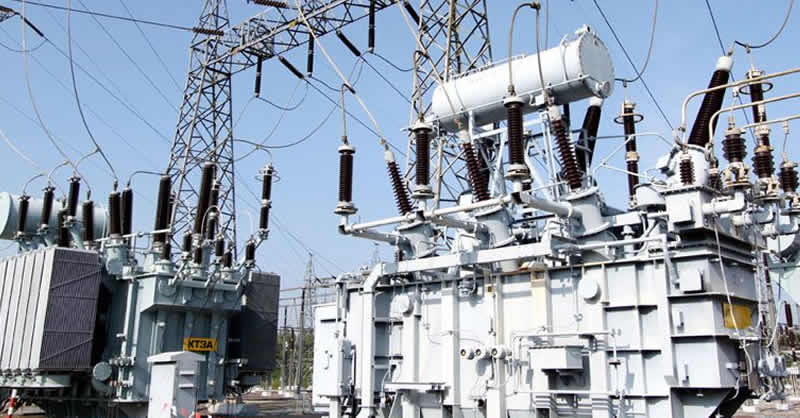
- Aging transformers
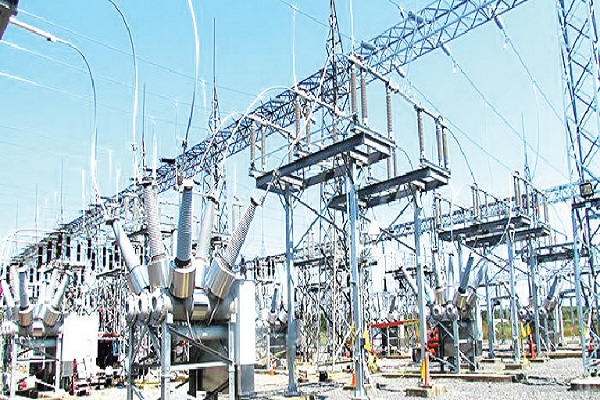
- Outdated substations
- Poorly maintained distribution lines
Metering gap and estimated billing problems
Millions of electricity consumers in Nigeria still lack prepaid meters, forcing reliance on estimated billing systems.
This contributes to:
- Billing disputes
- Consumer dissatisfaction
- Difficulty tracking actual electricity usage
- Increased opportunities for illegal consumption
The Nigeria electricity energy theft problem is closely connected to these long-standing infrastructure gaps.
Institutional Energy Theft Allegations in Nigeria’s Power Sector
Experts have also raised concerns about institutional-level irregularities within the electricity system.
Meter configuration and monitoring issues
Wholesale meters installed at critical operational points are used to monitor power generation and distribution.
However, analysts say some systems may be:
- Incorrectly configured
- Technically outdated
- Poorly calibrated
- Vulnerable to inaccurate reporting
Concerns over subsidy claims and reporting accuracy
Industry stakeholders argue that inaccurate readings could affect subsidy calculations and electricity accounting processes.
Potential consequences include:
- Inflated operational figures
- Disputes among sector operators
- Increased financial inefficiencies
- Reduced transparency within the industry
Why Solving Energy Theft Matters for Nigeria’s Economy
Reliable electricity supply plays a major role in economic growth, industrial productivity, and business development.
Impact on businesses and households
Poor electricity supply affects:
- Manufacturing operations
- Small businesses
- Digital and technology services
- Household living standards
Many businesses continue to rely heavily on generators due to inconsistent public power supply.
Link between electricity stability and economic growth
Experts note that reducing Nigeria electricity energy theft could help:
- Improve sector revenue
- Support infrastructure upgrades
- Increase electricity reliability
- Encourage industrial growth
Proposed Solutions to Nigeria’s Electricity Crisis
Energy analysts believe multiple reforms are needed to reduce electricity theft and improve sector performance.
Expansion of smart metering systems
Improved metering technology could help reduce illegal electricity consumption.
Suggested measures include:
- Nationwide prepaid meter deployment
- Smart digital metering systems
- Improved monitoring technology
- Automated electricity tracking systems
Stronger enforcement and regulation
Experts also recommend:
- Stricter penalties for electricity theft
- Improved monitoring of power infrastructure
- Better regulatory oversight
- Faster response to illegal connections
Infrastructure modernization efforts
Long-term improvement may require:
- Upgrading transmission infrastructure
- Replacing outdated meters and equipment
- Expanding power generation capacity
- Improving maintenance systems
FAQ
What is Nigeria electricity energy theft?
It refers to illegal electricity consumption through practices such as meter bypassing, unauthorized connections, and manipulation of billing systems.
How does energy theft affect Nigeria’s power sector?
Energy theft causes major revenue losses, weakens infrastructure investment, and contributes to unstable electricity supply.
Why are obsolete meters a problem in Nigeria?
Outdated meters can produce inaccurate readings, increase billing disputes, and reduce transparency in electricity distribution.
What solutions have experts suggested for Nigeria’s electricity crisis?
Experts recommend smart metering systems, infrastructure upgrades, stricter enforcement, and improved regulatory oversight.
Conclusion
The Nigeria electricity energy theft crisis continues to expose deep structural challenges within the country’s power sector. From illegal electricity connections to outdated metering systems and aging infrastructure, multiple factors are contributing to operational inefficiencies and financial losses. Experts believe that stronger regulation, improved metering technology, and infrastructure modernization will be necessary to improve electricity reliability and support long-term sector stability.
Click here for more news