 0
0
 0
0
The latest Japan Ebola outbreak aid package will provide $3.5 million in emergency assistance to help contain the growing Ebola crisis in the Democratic Republic of Congo and Uganda as health authorities struggle to control the spread of infections across the region.
Japan announced the emergency funding on Monday, saying the support would be directed through international organizations working on the ground to strengthen disease response efforts and address urgent humanitarian needs.
The decision comes as confirmed Ebola cases in the Democratic Republic of Congo have exceeded 1,000, highlighting the scale of the outbreak and raising concerns among health officials across Central and East Africa.
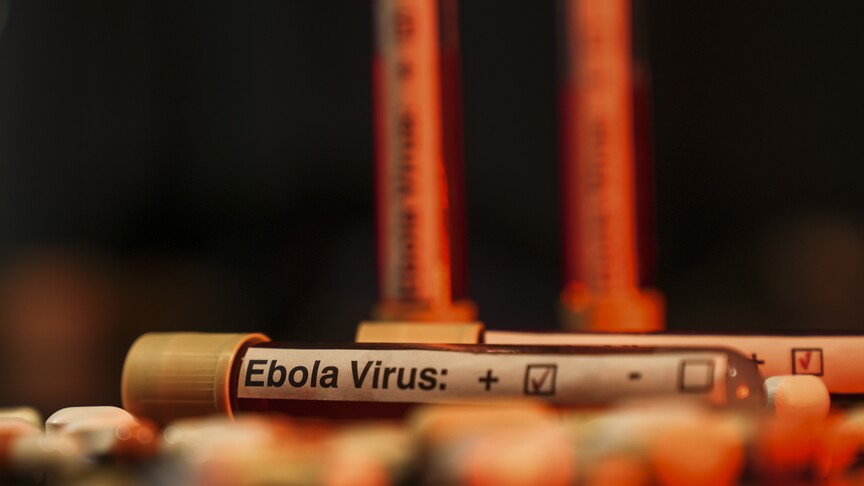
Japan Commits Emergency Funding for Ebola Response
Japanese Foreign Minister Toshimitsu Motegi confirmed that the government would provide emergency grant assistance totaling $3.5 million.
The funding is intended to support critical healthcare operations and improve the capacity of local authorities and international organizations responding to the outbreak.
According to Japanese officials, the aid package is designed to help communities facing increased health risks while strengthening disease control measures in affected areas.
The Japan Ebola outbreak aid initiative reflects growing international concern about the rapid spread of the virus and the need for coordinated action.
Areas the Funding Will Support
The emergency assistance will be used across several key sectors, including:
• Emergency healthcare services
• Ebola treatment and patient care programs
• Infection prevention and control measures
• Community awareness and education campaigns
• Water, sanitation and hygiene projects
• Support for vulnerable populations in affected regions
Officials said these interventions are aimed at reducing transmission rates and improving healthcare access in communities facing the greatest risk.
Ebola Cases in DR Congo Surpass 1,000
The announcement coincided with a significant milestone in the outbreak.
Health authorities in the Democratic Republic of Congo reported that confirmed Ebola infections have surpassed 1,000 cases for the first time since the current outbreak began.
As of the latest official figures:
• Confirmed cases: 1,003
• Reported deaths: 254
• Main affected region: Ituri Province
The outbreak remains concentrated in eastern Congo but has gradually spread to neighboring areas, increasing concerns among regional health agencies.
The growing number of infections has intensified calls for additional international support and stronger containment measures.
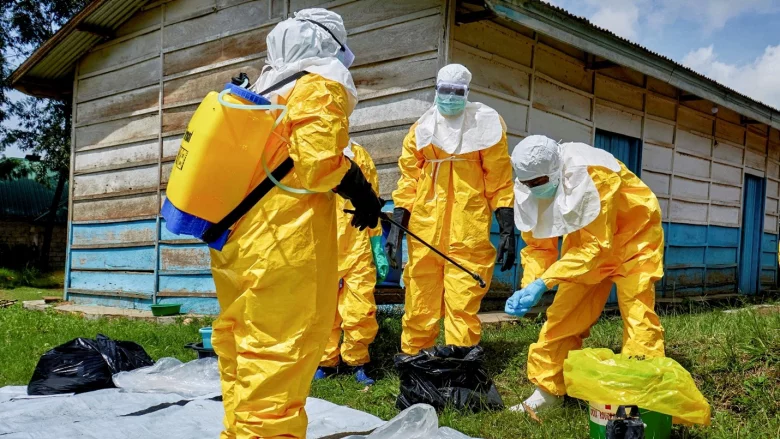
Why Health Officials Are Concerned
Medical experts warn that the outbreak remains a serious public health threat because of several ongoing challenges.
These include:
• Population displacement caused by insecurity
• Limited healthcare infrastructure
• Difficult access to remote communities
• Ongoing conflict in some affected regions
• Challenges in monitoring potential contacts
Such conditions make disease surveillance and treatment efforts more difficult, increasing the risk of further transmission.
Uganda Strengthens Surveillance Measures
The spread of infections near international borders has prompted Uganda to increase monitoring and preparedness efforts.
Authorities have heightened surveillance activities amid concerns that cross-border movement could contribute to additional cases.
Health officials continue to monitor travelers and communities near affected areas while coordinating with regional and international partners.
The Japan Ebola outbreak aid package is expected to contribute to broader regional efforts aimed at preventing further spread of the disease beyond current hotspots.
Cross Border Risks Remain Significant
Public health experts note that outbreaks in border regions often require close cooperation between neighboring countries.
Key priorities include:
- Early detection of new infections
- Rapid isolation and treatment
- Contact tracing and monitoring
- Community awareness campaigns
- Cross-border information sharing
These measures are considered essential to limiting transmission and protecting nearby populations.
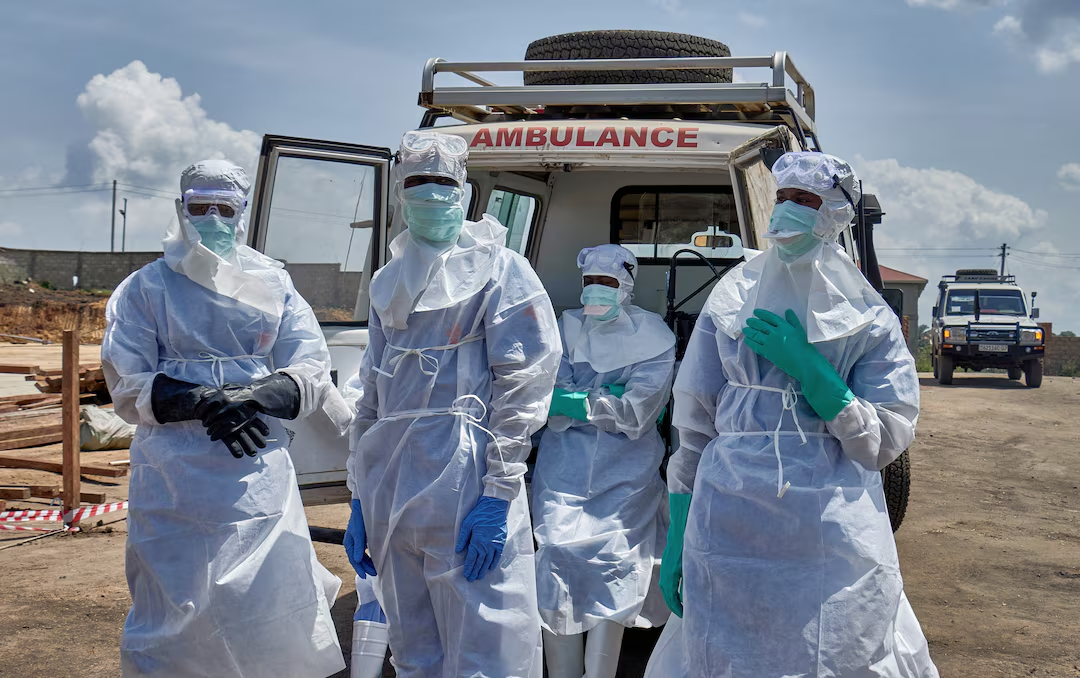
Rare Bundibugyo Strain Adds New Challenges
One of the most concerning aspects of the current outbreak is the strain involved.
Health authorities have identified the outbreak as being driven by the Bundibugyo strain of the Ebola virus.
Unlike some other Ebola strains, there is currently no approved vaccine specifically available for the Bundibugyo variant.
What Is the Bundibugyo Ebola Strain?
The Bundibugyo strain is a rare type of Ebola virus disease that can cause severe illness.
Symptoms often include:
• Fever
• Fatigue
• Muscle pain
• Vomiting
• Diarrhea
• Internal and external bleeding in severe cases
The virus spreads primarily through direct contact with bodily fluids from infected individuals or contaminated materials.
Because there is no approved vaccine for this strain, health officials are relying heavily on containment strategies and supportive medical care.
International Agencies Warn About Detection Gaps
Global health organizations have expressed concern over gaps in contact tracing and monitoring efforts.
Experts fear that some infections could remain undetected, allowing transmission chains to continue unnoticed.
Accurate contact tracing remains one of the most important tools for containing Ebola outbreaks, especially in areas where healthcare systems face resource limitations.
The Japan Ebola outbreak aid package is expected to strengthen frontline operations and improve local response capabilities.
Community Engagement Remains Critical
Health experts emphasize that community participation is essential for controlling outbreaks.
Successful response efforts often depend on:
• Public trust in healthcare workers
• Early reporting of symptoms
• Safe burial practices
• Access to clean water and sanitation
• Effective public health communication
Improving awareness can significantly reduce the spread of infectious diseases and encourage faster treatment.
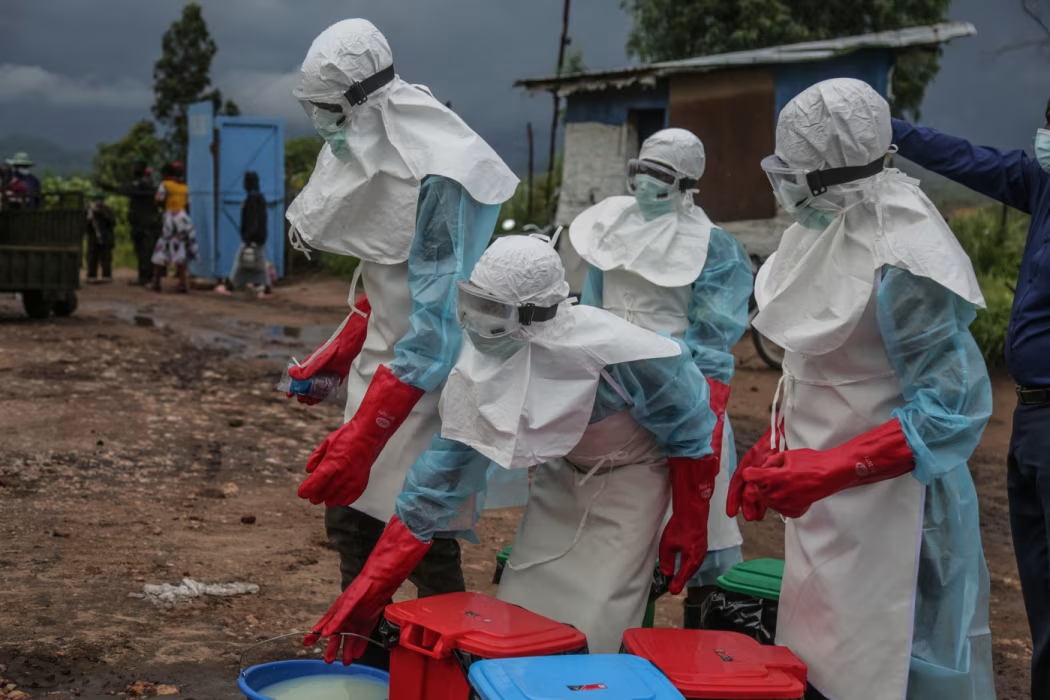
Japan Pledges Continued Cooperation
Japanese officials said the country would continue working alongside international organizations, humanitarian agencies and partner governments.
The goal is to strengthen disease control programs while addressing immediate humanitarian needs in affected communities.
The latest Japan Ebola outbreak aid announcement underscores the importance of global cooperation in responding to health emergencies that can affect entire regions.
As the outbreak continues, international support remains crucial to helping healthcare workers manage infections, protect vulnerable populations and reduce the risk of further spread.
FAQ
Why did Japan provide Ebola outbreak aid to DR Congo and Uganda?
Japan announced emergency funding to support healthcare services, disease control efforts and humanitarian assistance as Ebola cases continue to rise in the region.
How much funding has Japan committed to the Ebola response?
Japan has pledged $3.5 million in emergency grant assistance through international organizations supporting outbreak response operations.
What is the Bundibugyo strain of Ebola?
The Bundibugyo strain is a rare type of Ebola virus responsible for the current outbreak. There is currently no approved vaccine specifically for this strain.
How many Ebola cases have been reported in DR Congo?
Health authorities reported 1,003 confirmed Ebola infections and 254 deaths, making it the largest stage of the current outbreak so far.
Conclusion
The Japan Ebola outbreak aid package represents a significant contribution to ongoing efforts to contain one of the region’s most serious public health emergencies. With Ebola cases surpassing 1,000 in the Democratic Republic of Congo and concerns growing in neighboring Uganda, international cooperation, healthcare support and disease control measures remain critical in limiting the outbreak and protecting vulnerable communities.
PLEASE CLICK HERE FOR MORE NEWS