0
0
 0
0
The Israel Iran strikes crisis deepened on Monday after Israel launched a new wave of airstrikes against targets in central and western Iran, despite international efforts aimed at preventing further escalation. The latest developments have renewed fears of broader instability across the Middle East and raised questions about the future of ongoing diplomatic initiatives.
Israel Iran Strikes Intensify With Fresh Military Action
Israel’s military confirmed that it carried out operations targeting sites linked to Iran’s military infrastructure. The attacks followed recent missile activity and come amid heightened tensions between the two regional rivals.
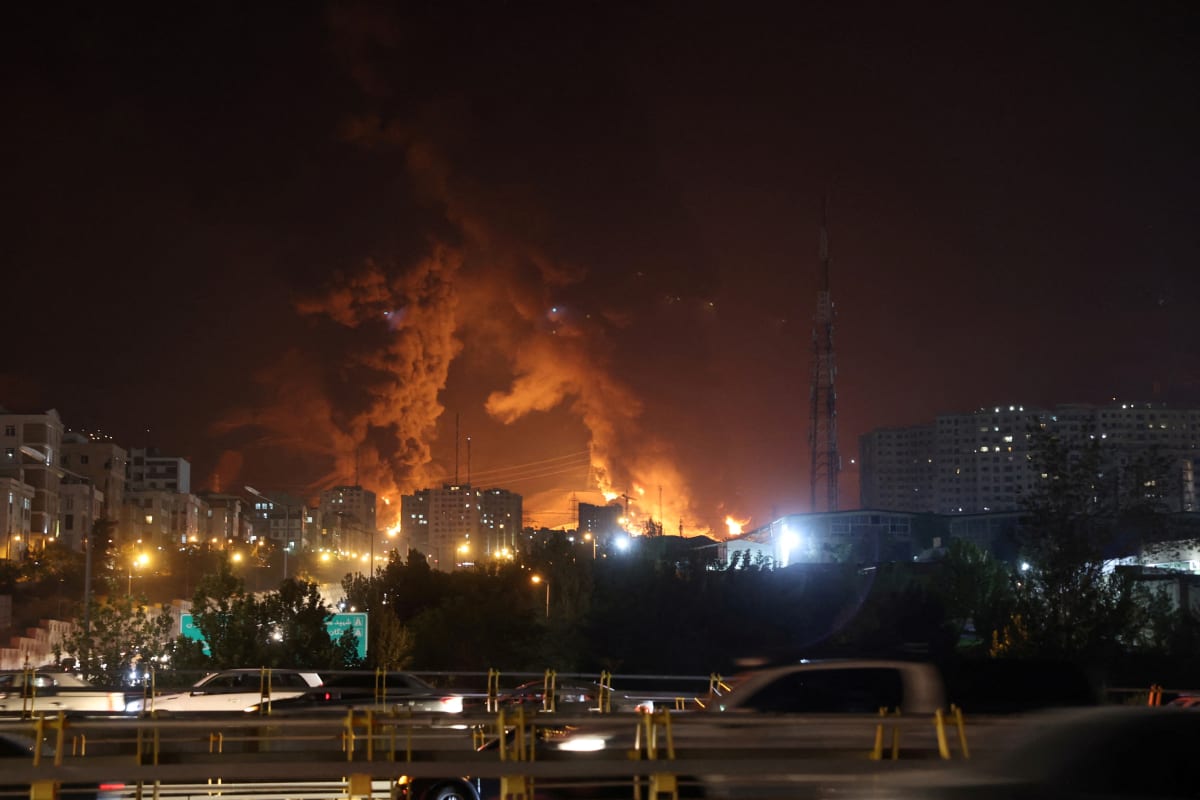
Iranian state media reported explosions in several locations, including Tehran, Isfahan, Karaj, and Tabriz. Authorities immediately began assessing the impact of the attacks while implementing additional security measures.
Israel Iran Strikes Target Military Infrastructure
According to Israeli officials, the operation focused on military-related assets believed to pose security threats.
While specific details regarding the targets were not immediately released, the strikes represent one of the most significant military exchanges since the ceasefire reached earlier this year.
Petrochemical Complex Reportedly Damaged
Reports from Iranian media indicated that parts of the Mahshahr petrochemical complex in southwestern Iran sustained damage during the attacks.
The facility is considered an important industrial site, making the strike notable because it reportedly affected energy-related infrastructure. Local officials confirmed damage but did not immediately disclose the full extent of the impact.
Trump Says Diplomacy Remains on Track
The latest Israel Iran strikes occurred shortly after comments from U.S. President Donald Trump regarding diplomatic negotiations involving Tehran.
Peace Talks Continue Despite Tensions
Trump suggested that the recent military actions would not disrupt ongoing diplomatic efforts between Washington and Iran.
His comments highlighted the administration’s position that dialogue remains possible even as security challenges continue to emerge throughout the region.
Questions Surround Coordination
Following the attacks, questions arose regarding whether Israel coordinated its actions with the United States.
Officials in Washington did not immediately provide additional information about any discussions that may have taken place before the strikes occurred.
Explosions Reported Across Multiple Iranian Cities
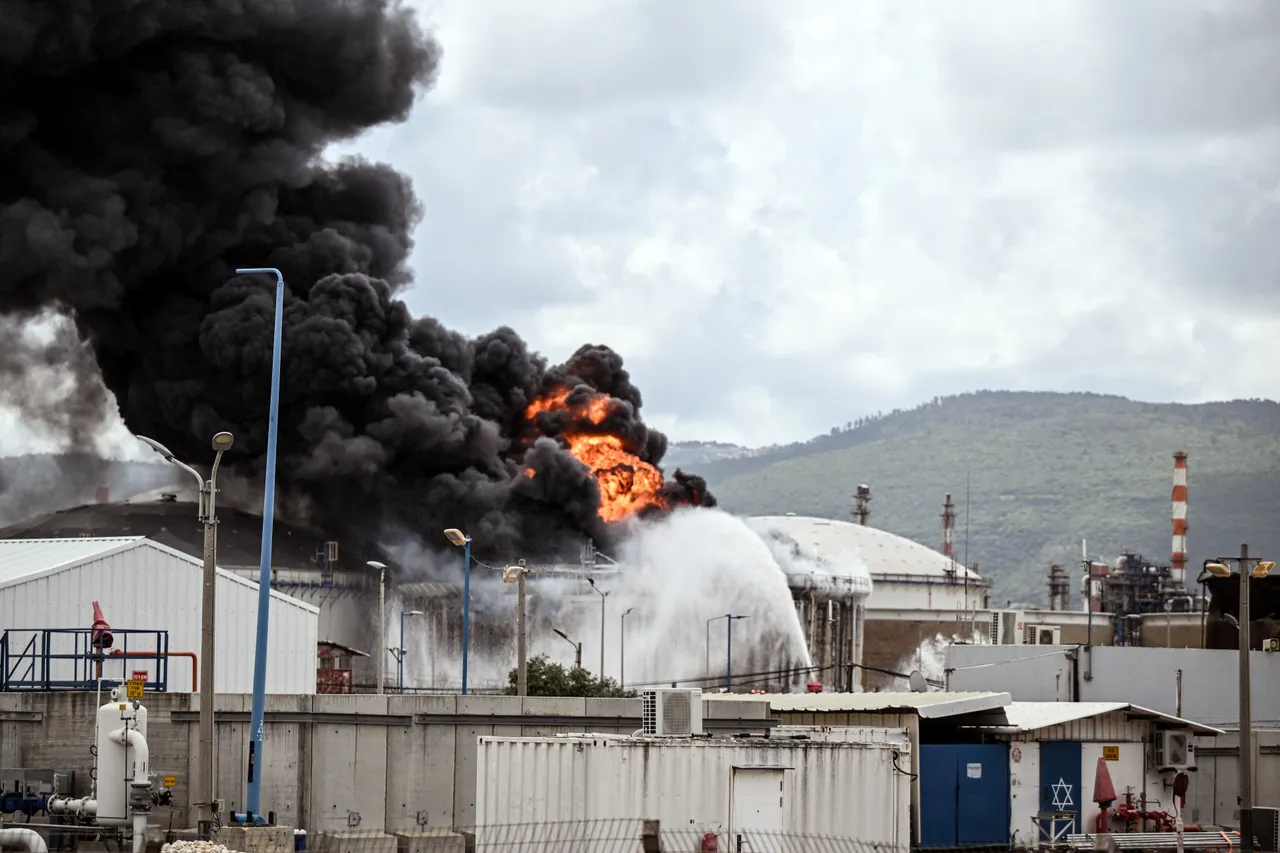
Witnesses and local media outlets reported hearing explosions in several parts of Iran during the early hours of Monday.
Major Urban Areas Affected
Among the cities mentioned in reports were:
- Tehran
- Isfahan
- Karaj
- Tabriz
Authorities also temporarily restricted air traffic around Tehran’s main international airport as a precaution following the attacks.
Damage Assessments Continue
Iranian officials have not yet released comprehensive information regarding casualties or infrastructure losses.
Emergency response teams and security agencies remain engaged in evaluating affected areas and restoring normal operations where possible.
Regional Security Concerns Grow Following Israel Iran Strikes
Security analysts say the Israel Iran strikes could have wider consequences for regional stability if tensions continue to increase.
Missile Alerts Sound in Israel
Israeli authorities activated warning systems after detecting a missile launch originating from Yemen.
Emergency officials later stated that there were no immediate reports of casualties or significant damage associated with the launch.
Saudi Arabia Issues Warning Alert
In Saudi Arabia, missile alert sirens sounded in the Al Kharj region, which hosts military facilities and personnel connected to international security operations.
Officials later announced that the threat had passed, though limited details were released regarding the incident.
Houthi Activity Remains Under Close Observation
Attention has also focused on Yemen’s Houthi movement, which has previously launched missiles toward Israel during periods of regional conflict.
Previous Attacks Raise Concerns
The group has carried out several missile and drone attacks in recent years, prompting ongoing monitoring by regional security agencies.
No Immediate Claim Issued
Although Israeli authorities linked the launch to Yemen, no immediate claim of responsibility was made by Houthi representatives.
Observers note that official statements from the group are sometimes released hours after incidents occur.
Israel Iran Strikes Place Ceasefire Under Pressure
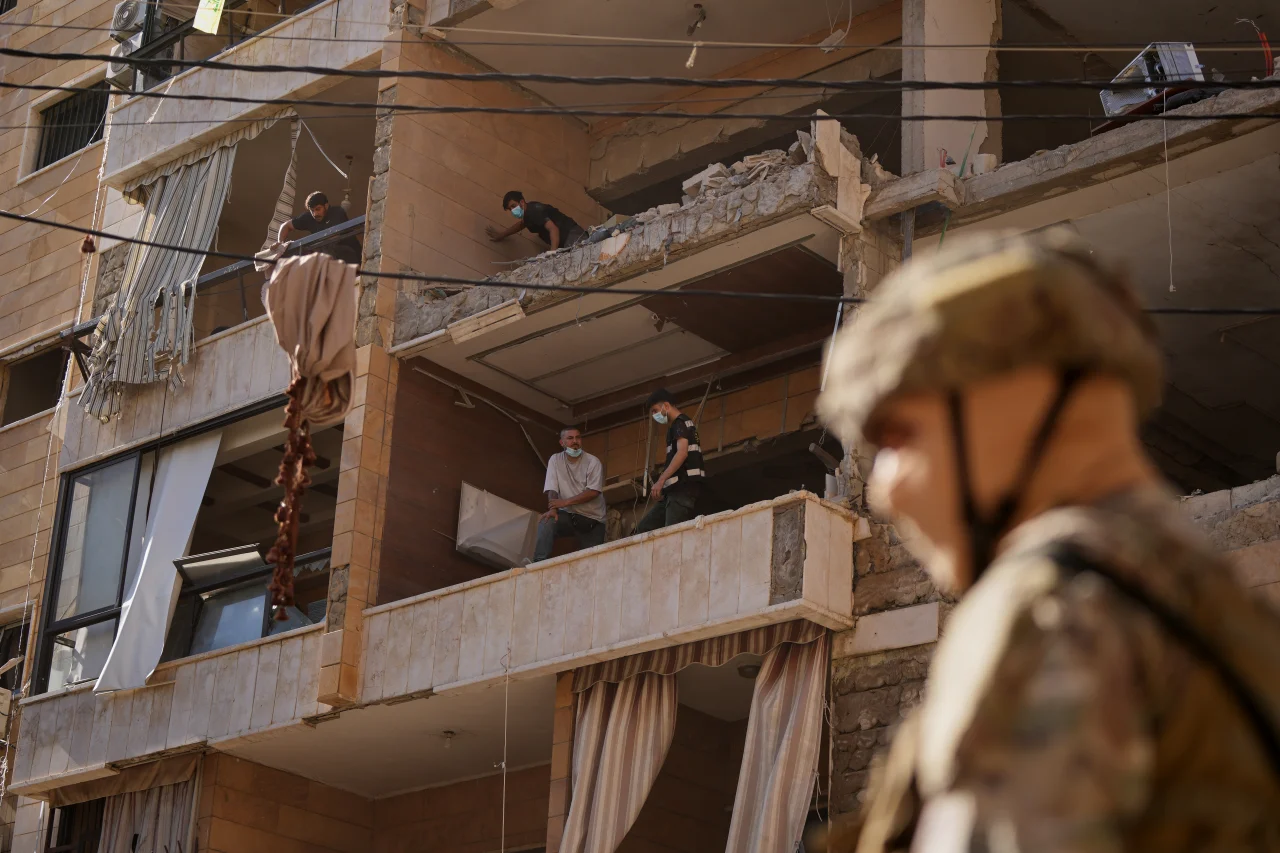
The renewed Israel Iran strikes have increased pressure on efforts aimed at maintaining calm following earlier ceasefire agreements.
Fears of Further Escalation
Diplomatic observers warn that repeated military exchanges could undermine ongoing negotiations and increase the risk of a broader regional confrontation.
The latest developments underscore how fragile the current security environment remains.
International Calls for Restraint
Governments and international organizations are expected to continue urging both sides to avoid actions that could further escalate tensions.
Many world leaders have emphasized the importance of diplomacy as a path toward long-term stability.
What Could Happen Next?
The situation remains fluid as military and diplomatic developments continue to unfold.
Analysts believe future actions by either side could affect regional alliances, security partnerships, and economic conditions across the Middle East.
While neither country has publicly indicated a desire for a wider war, the current environment remains highly sensitive.
FAQ
Why did Israel launch new strikes on Iran?
Israeli officials said the operation targeted military-related locations that were considered security threats.
Which Iranian cities were affected?
Reports indicated explosions in Tehran, Isfahan, Karaj, and Tabriz, along with damage reported at the Mahshahr petrochemical complex.
What was Trump’s response to the attacks?
Trump said the latest Israel Iran strikes would not affect ongoing diplomatic efforts involving the United States and Iran.
Could the conflict spread across the region?
Analysts warn that continued military exchanges could increase instability and draw additional regional actors into the situation.
Conclusion
The Israel Iran strikes have once again placed Middle East security at the forefront of international attention. As military operations and diplomatic efforts continue simultaneously, global leaders are closely monitoring developments in hopes of preventing a broader regional conflict. The coming days may determine whether tensions ease through negotiation or continue to escalate.
PLEASE CLICK HERE FOR MORE NEWS