 0
0
 0
0
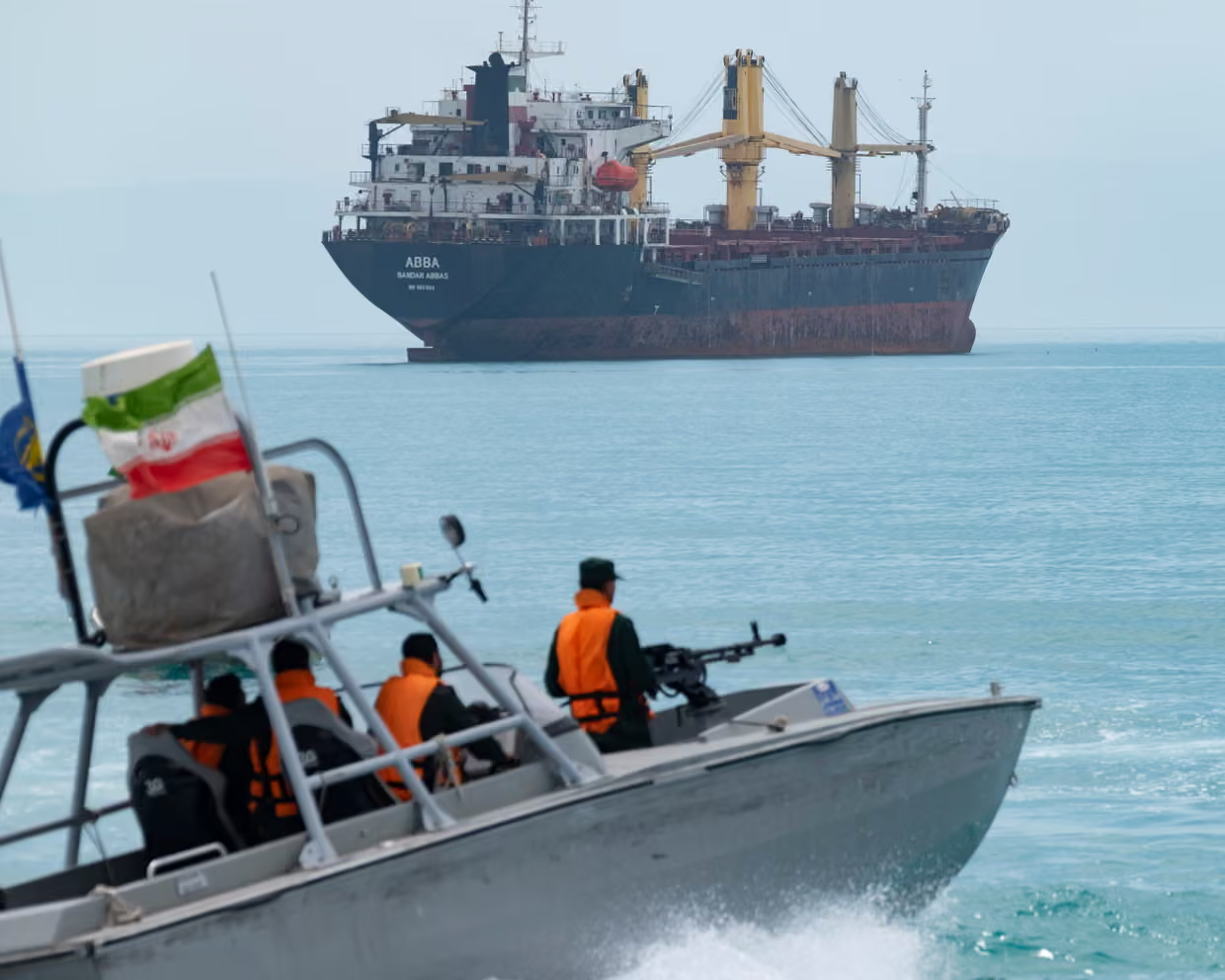
Iran closes Strait of Hormuz following escalating regional tensions, a move that could have significant implications for global shipping routes, energy markets, and international trade.
The announcement was made by Iran’s Khatam-al Anbiya Central Headquarters, which stated that maritime traffic through the strategic waterway has been halted. Iranian officials described the decision as a response to recent military developments in the Middle East and what they characterized as violations of prior diplomatic understandings.
The Strait of Hormuz is one of the world’s most important maritime corridors, making any disruption a matter of international concern.
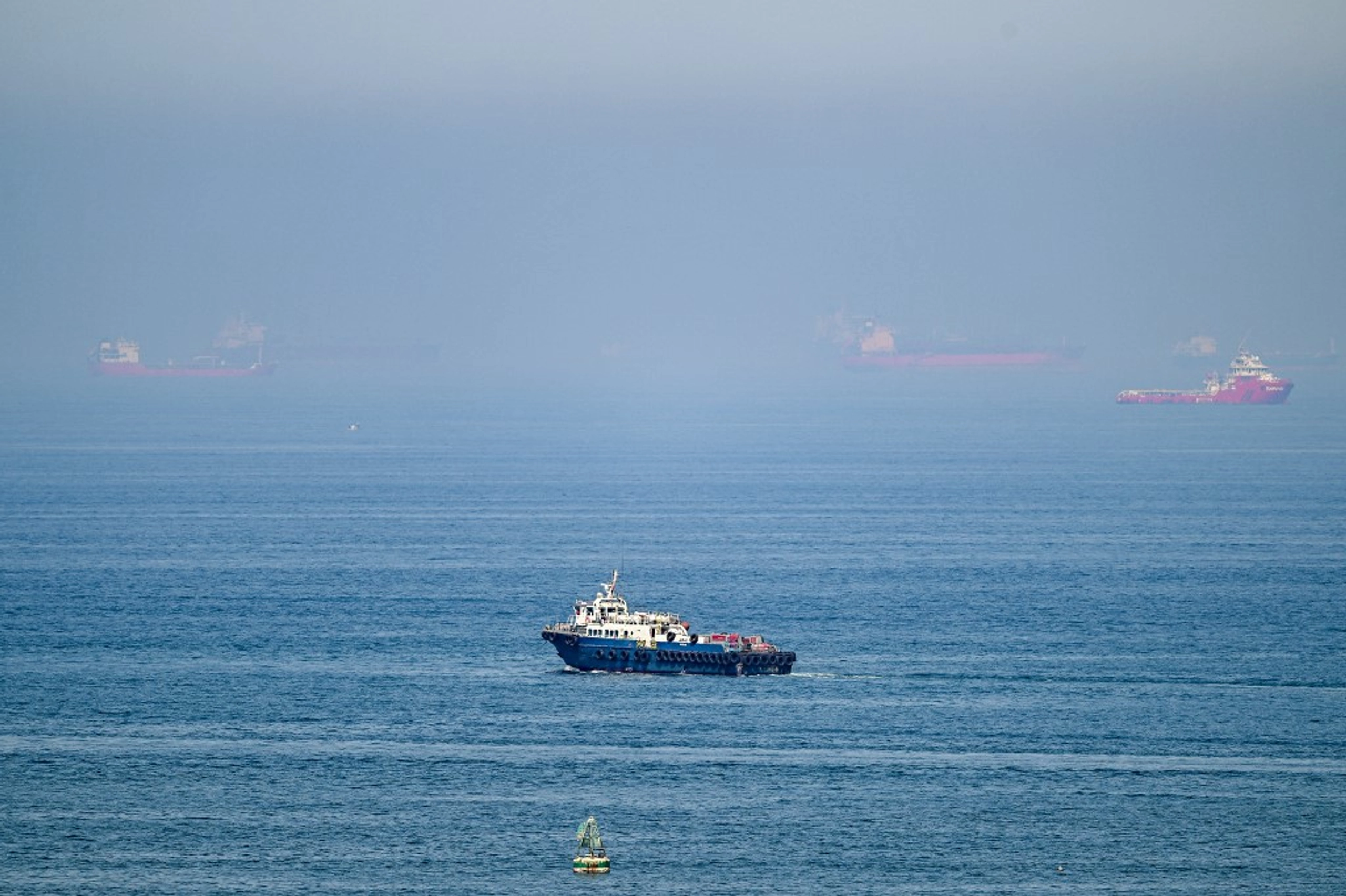
Iran Announces Closure of Strategic Waterway
Iran closes Strait of Hormuz at a time when geopolitical tensions in the region remain high.
According to a statement broadcast on Iranian state television, the country’s central military command confirmed that vessel traffic would no longer be allowed through the narrow shipping passage.
The military command described the move as an initial response to recent events and warned that additional measures could follow if current tensions continue.
The announcement immediately drew attention because of the strait’s importance to global trade and energy transportation.
Official Statement From Iranian Military Command
Iranian military officials stated that the closure was linked to recent military actions in southern Lebanon.
According to the statement, the decision was taken after what Iranian authorities described as a breach of commitments connected to previous diplomatic arrangements.
Officials indicated that further actions could be considered if regional hostilities continue.
The statement emphasized that the closure is intended as a response to ongoing developments rather than a permanent measure.
Why the Strait of Hormuz Matters
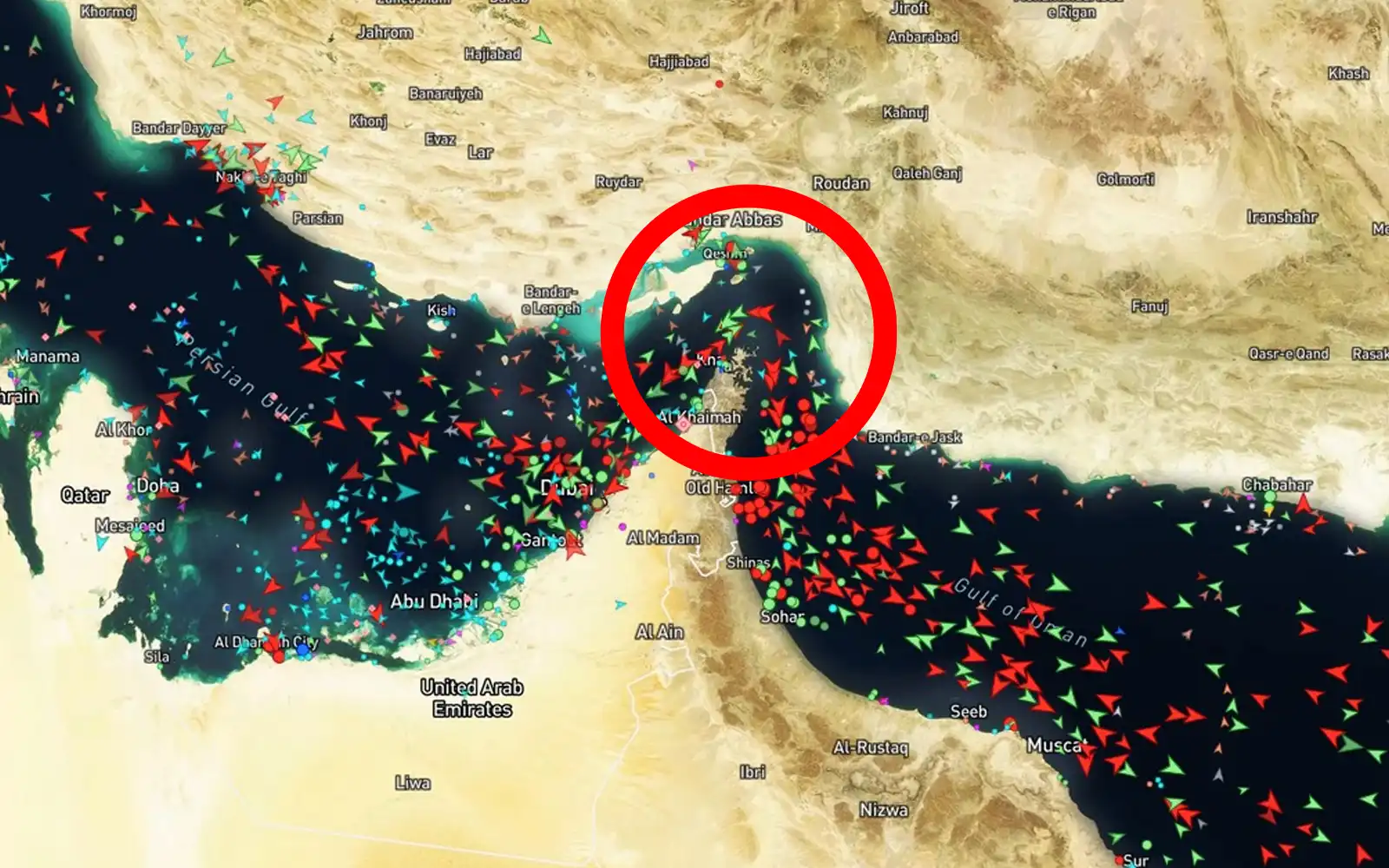
The Strait of Hormuz is widely regarded as one of the most strategically important waterways in the world.
Located between Iran and Oman, the passage connects the Persian Gulf to the Gulf of Oman and the Arabian Sea.
A significant portion of global oil and natural gas exports passes through this route each day.
Key Importance of the Strait
The Strait of Hormuz serves several critical functions:
- Transportation of crude oil exports
- Movement of liquefied natural gas shipments
- International commercial shipping
- Trade between Gulf nations and global markets
Because of its narrow geography, any disruption can quickly affect shipping schedules and international supply chains.
Potential Impact on Global Energy Markets
Whenever Iran closes Strait of Hormuz or threatens restrictions in the waterway, energy markets closely monitor developments.
The passage is considered a major artery for oil exports from several Middle Eastern countries.
Any prolonged disruption could create uncertainty in energy supplies and influence oil prices.
Market analysts often view tensions around the strait as a key risk factor for global commodity markets.
Oil and Shipping Industries Watching Closely
Energy companies, shipping operators, and governments are expected to assess the impact of the announcement.
Possible concerns include:
- Delays in cargo shipments
- Increased shipping costs
- Higher insurance premiums for vessels
- Potential volatility in oil markets
The extent of any disruption will depend on how long the restrictions remain in place and whether diplomatic solutions emerge.
Regional Tensions Continue to Escalate
The announcement comes amid broader tensions involving multiple countries and armed groups across the Middle East.
Recent military developments have increased concerns about regional stability and the possibility of wider confrontations.
Iranian officials linked the closure directly to recent military operations and ongoing disputes involving regional actors.
The situation remains fluid, with governments around the world monitoring developments closely.
Diplomatic Concerns Grow
International observers have frequently warned that disruptions in the Strait of Hormuz can affect countries far beyond the Middle East.
The waterway is essential not only for energy exports but also for broader global trade.
Diplomatic efforts may intensify in the coming days as governments seek to prevent further escalation.
The international community has historically viewed freedom of navigation through the strait as critical to economic stability.
What Happens Next?
While Iran closes Strait of Hormuz according to the military announcement, questions remain about how the measure will be enforced and how long it may last.
Governments, shipping companies, and energy markets are expected to monitor developments closely.
Several factors could influence future events, including:
- Diplomatic negotiations
- Regional military activity
- International responses
- Maritime security measures
The coming days may provide greater clarity regarding the practical impact of the closure on international shipping operations.
Historical Significance of the Strait of Hormuz
The Strait of Hormuz has long been at the center of geopolitical discussions due to its strategic location.
Over the years, tensions involving the waterway have periodically raised concerns about global trade disruptions.
Despite numerous regional disputes, the route has generally remained a vital channel for international commerce.
Its importance means that any announcement affecting access to the strait attracts immediate global attention.
FAQ Section
Why did Iran close Strait of Hormuz?
Iranian military officials said the decision was a response to recent regional military developments and what they described as violations of previous diplomatic understandings.
Why is the Strait of Hormuz important?
The strait is one of the world’s most important shipping routes, carrying a significant share of global oil and natural gas exports.
How could the closure affect global oil prices?
Any disruption to shipping through the strait may create uncertainty in energy markets, potentially influencing oil prices and transportation costs.
Will the Strait of Hormuz remain closed permanently?
Iranian officials described the closure as an initial measure. The duration and future status of the waterway remain uncertain.
Conclusion
The announcement that Iran closes Strait of Hormuz marks a significant development in an already tense regional environment. As one of the world’s most important maritime routes, any restriction on vessel traffic has the potential to affect global trade, energy markets, and international shipping. Governments and market participants will be closely watching future developments as the situation evolves.
PLEASE CLICK HERE FOR MORE NEWS