 0
0
 0
0
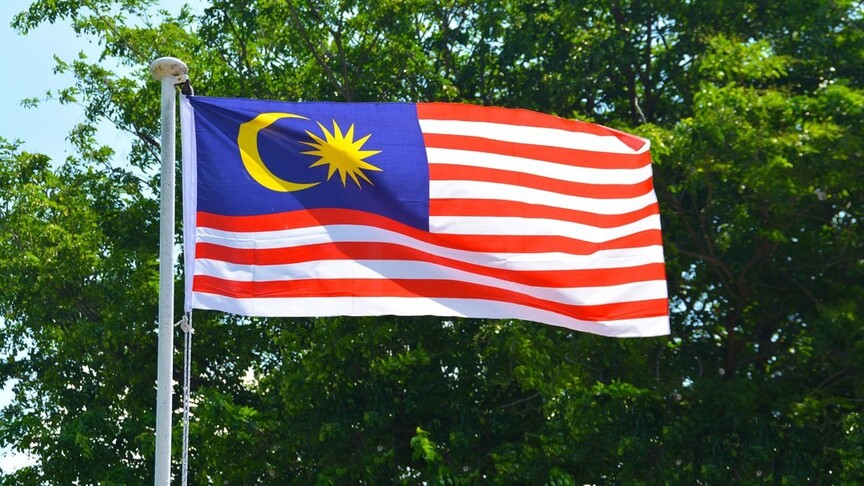
The international law double standards enforcement debate took center stage at a major global security meeting in Singapore, where defense leaders from across Asia, Europe, and beyond gathered to discuss rising geopolitical tensions and regional stability. Malaysia’s defense leadership expressed concern over what it described as increasingly selective application of international law across global conflicts.
The remarks were made during the Shangri-La Dialogue, a high-level defense summit that regularly brings together top military and government officials to discuss security challenges in the Asia-Pacific region.
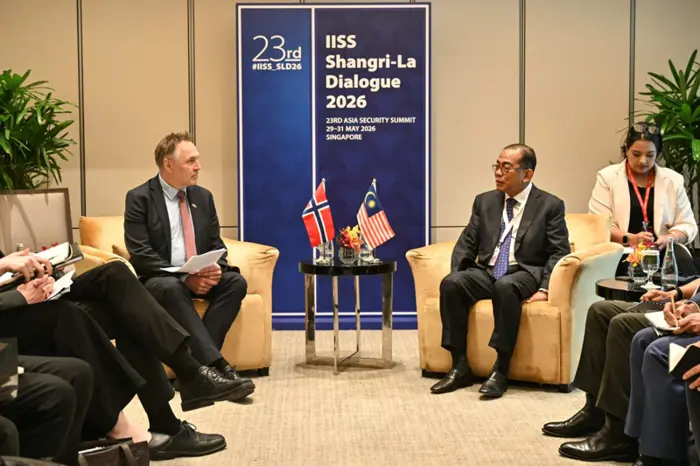
Malaysia Raises Concerns at Shangri-La Dialogue
Growing concern over selective enforcement
Malaysia’s defense chief highlighted what he called a “growing” pattern in how international law is applied unevenly across different global situations. The concern focused on how responses to violations appear inconsistent depending on the countries involved.
He argued that international law double standards enforcement has become more visible in modern geopolitics, particularly in cases involving armed conflicts and humanitarian violations.
Key points raised by Malaysia
- International law is often treated as flexible depending on global power dynamics
- Stronger nations may receive different scrutiny compared to smaller states
- Global institutions are struggling to maintain neutrality
- Conflicts involving human rights violations receive uneven international response
He also emphasized that institutions such as the United Nations are increasingly under pressure due to geopolitical competition, which weakens global cooperation frameworks.
Weakening global institutions
According to Malaysia’s position, the credibility of multilateral systems is being tested. The argument suggests that international law double standards enforcement undermines trust in institutions meant to ensure global peace and stability.
This concern reflects broader anxieties among several developing and middle-power nations that global governance systems do not always treat all states equally.
Japan Rejects China Militarism Accusations
Strong rebuttal at the security forum
At the same Shangri-La Dialogue, Japan’s defense leadership rejected accusations from China that Tokyo is returning to militaristic policies. Instead, Japan argued that such claims are inconsistent with current regional realities and security balances.
Japanese officials stated that Japan remains committed to defensive-oriented policies and questioned the validity of labeling its defense posture as “new militarism.”
Japan’s defense perspective
Japan’s defense minister emphasized:
- Japan does not possess nuclear weapons or strategic bombers
- Concerns about regional threats are based on security realities
- Accusations of militarism are not aligned with Japan’s defense posture
- Other regional actors are expanding military capabilities more rapidly
This exchange further reflects how international law double standards enforcement debates are tied to broader disputes over military expansion narratives in the region.
Regional perception gaps
Japan’s position highlights a wider issue in Asia-Pacific security: differing perceptions of what constitutes defensive versus aggressive military modernization. These perception gaps continue to fuel diplomatic friction.
China Responds and Historical Tensions
Counter-accusations at the forum
China’s representatives pushed back strongly against Japan’s statements, raising historical issues related to Japan’s past military actions in Asia. A Chinese military delegate questioned Japan’s credibility in discussing regional security cooperation.
The remarks referenced historical conflicts dating back to the 1930s and 1940s, which continue to influence diplomatic relationships in East Asia.
China’s official stance
China’s Foreign Ministry has previously urged regional countries to remain alert to what it describes as renewed Japanese militarism. Beijing has called for collective vigilance in maintaining regional stability.
These exchanges demonstrate how international law double standards enforcement is often intertwined with unresolved historical grievances and strategic rivalry.
Historical memory and diplomacy
Key elements influencing tensions include:
- Legacy of wartime occupation in parts of Asia
- Ongoing mistrust between major regional powers
- Competing narratives about military modernization
- Differing interpretations of historical responsibility
Regional Security Concerns and Confidence-Building Calls
Pakistan’s call for stability mechanisms
At the same conference, senior Pakistani military leadership called for stronger confidence-building measures among states to reduce misunderstandings and prevent escalation.
They emphasized the importance of:
- Transparency mechanisms in defense planning
- Structured communication channels between rivals
- Crisis management systems
- Technical military-to-military dialogues
These proposals aim to reduce risks in regions where tensions remain high, particularly between neighboring countries with long-standing disputes.
South Asia tensions and military readiness
The discussion also touched on growing tensions in South Asia, where rival nations continue to accuse each other of supporting cross-border militancy. Recent military warnings from regional leaders have added urgency to calls for structured dialogue.
These developments highlight how international law double standards enforcement concerns are not limited to East Asia but extend across multiple conflict zones.
Preventing escalation
Security experts at the dialogue stressed that without proper communication mechanisms, misunderstandings could escalate into direct confrontations. Confidence-building measures are seen as essential tools for preventing conflict.
Wider Participation and Geopolitical Implications
High-level attendance at the summit
The Shangri-La Dialogue included participation from several high-profile defense leaders, including representatives from:
- Vietnam
- United States
- Japan
- Australia
- New Zealand
These discussions reflect broad international concern about rising geopolitical fragmentation and security competition.
China’s absence noted
China’s defense minister did not attend the forum for the second consecutive year, a detail that drew attention among analysts monitoring regional engagement trends.
Strategic implications for Asia-Pacific
The discussions at the summit highlight several key trends:
- Increasing militarization concerns across multiple regions
- Growing distrust among major powers
- Struggles in global governance systems
- Expanding debate over fairness in international law enforcement
These factors continue to shape how international law double standards enforcement is understood in modern global diplomacy.

FAQ
What does international law double standards enforcement mean in global politics?
It refers to concerns that international law is applied unevenly depending on the countries involved, especially in conflict situations and geopolitical disputes.
Why was Malaysia concerned at the Shangri-La Dialogue?
Malaysia raised concerns that global responses to violations of international law appear inconsistent, depending on political and power dynamics between nations.
What did Japan say about China’s accusations?
Japan rejected claims of “militarism,” arguing that its defense posture is defensive and questioning the accuracy of such labels given regional military comparisons.
Why is the Shangri-La Dialogue important?
It is a major security summit where global defense leaders discuss regional stability, military trends, and international cooperation in the Asia-Pacific.
Conclusion
The Shangri-La Dialogue highlighted deepening disagreements over regional security, historical tensions, and interpretations of military development. At the center of these discussions was growing concern about international law double standards enforcement, with Malaysia warning that inconsistent application of global rules could weaken trust in international institutions.
As global powers continue to navigate complex security challenges, the need for transparent communication, balanced legal frameworks, and stronger diplomatic engagement remains central to maintaining stability.
Click here for more news