 0
0
 0
0
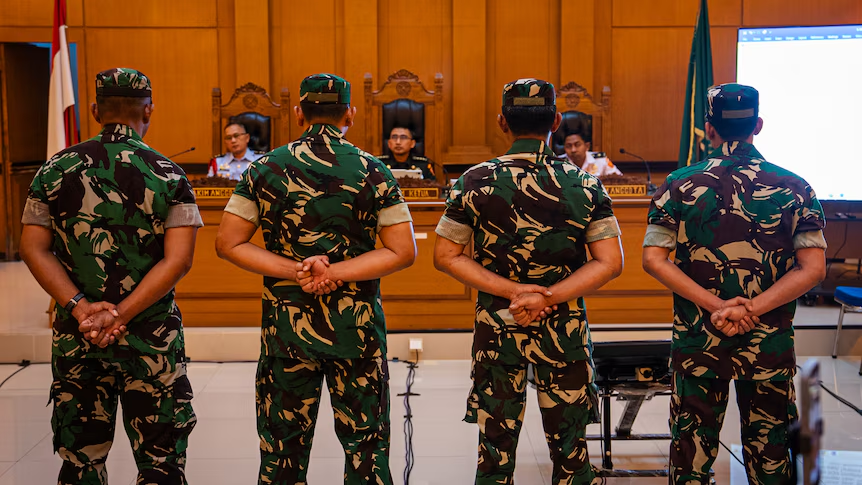
The Indonesian military acid attack verdict has drawn widespread attention after a military court sentenced four officers to prison for their involvement in a violent acid attack against a prominent human rights activist in Jakarta. The case has raised renewed concerns about accountability within Indonesia’s armed forces and the treatment of civil society activists.
Military Court Issues Sentences to Four Officers
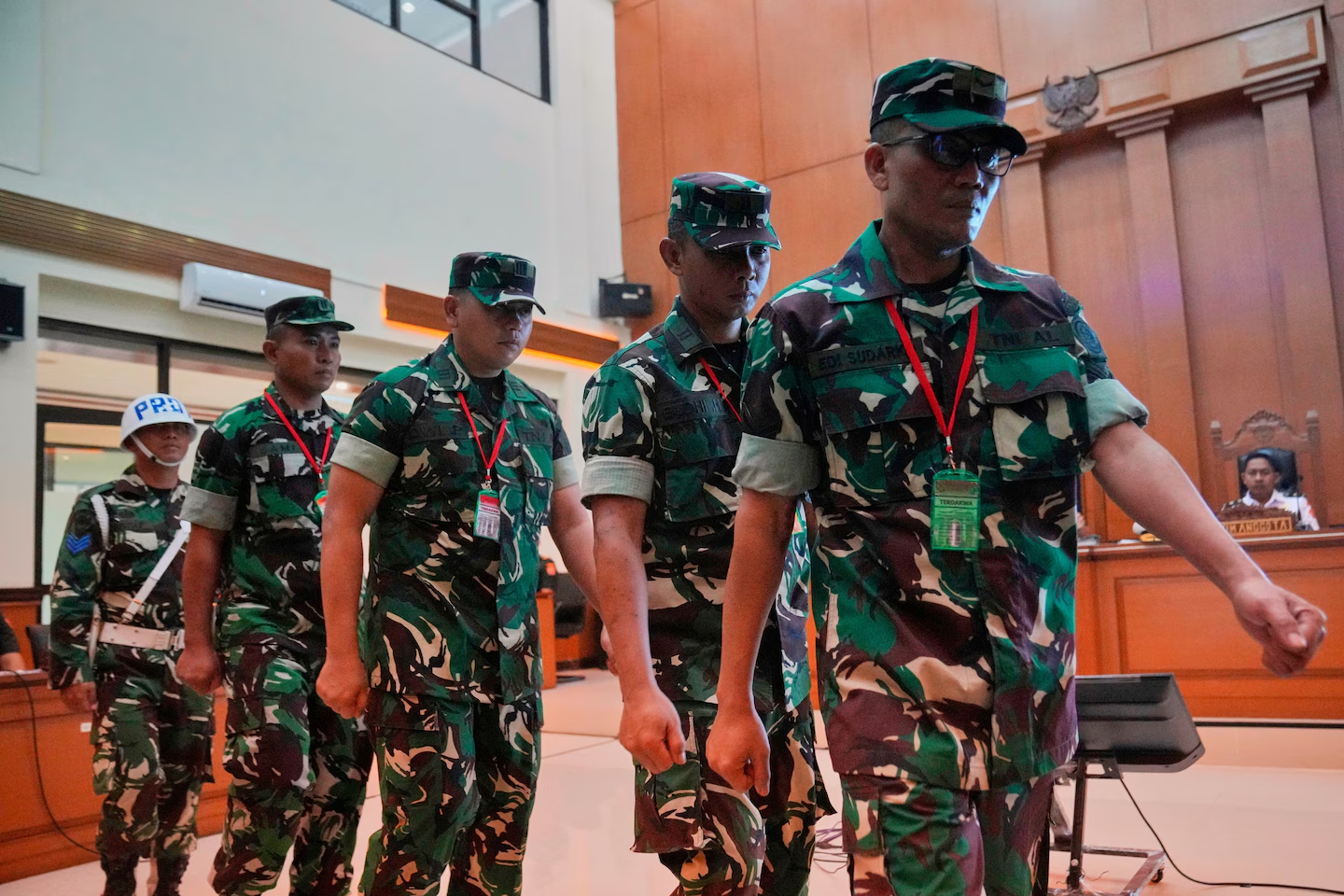
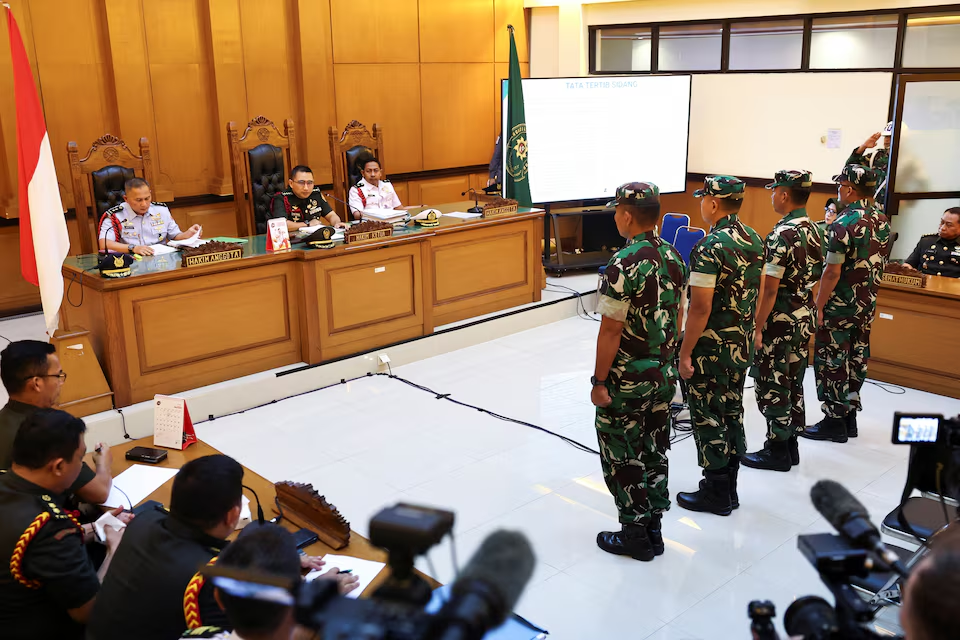
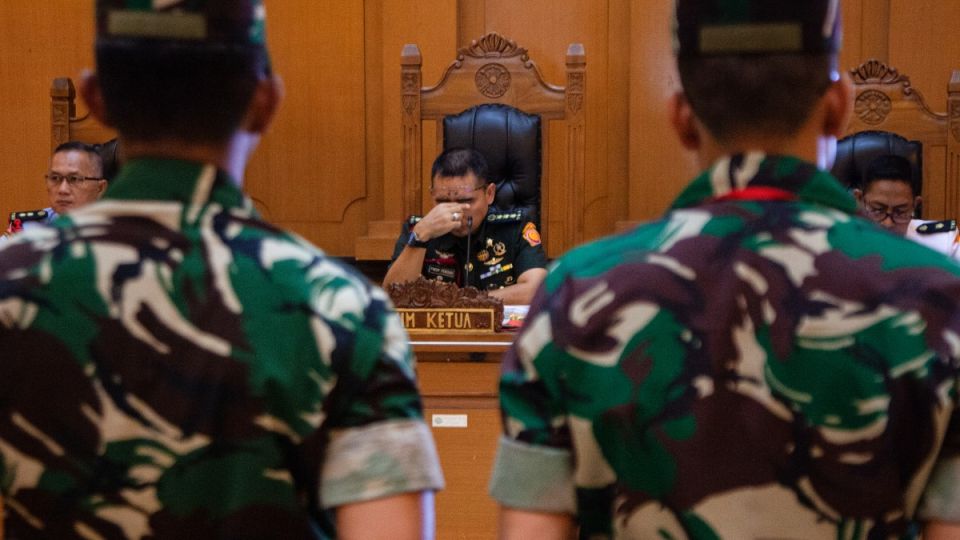
A military court in Jakarta delivered its ruling on Wednesday, sentencing four members of Indonesia’s military intelligence unit for their roles in the acid attack on activist Andrie Yunus.
The court found all four defendants guilty of serious premeditated assault following the attack on the rights advocate linked to the Commission for Missing Persons and Victims of Violence, also known as Kontras.
Breakdown of Sentences
The court issued varying prison terms depending on each officer’s level of involvement:
- One officer: 3 years imprisonment
- One officer: 2.5 years imprisonment
- One officer: 2 years imprisonment
- One officer: 1.5 years imprisonment
Two of the officers also received dishonourable discharge from military service.
Court’s Explanation of Responsibility
Judges stated that the sentencing reflected each defendant’s role in planning and executing the attack. The officer given the longest sentence was identified as the individual who directly carried out the assault and encouraged others to participate.
Details of the Acid Attack on Andrie Yunus
The Indonesian military acid attack verdict centers on the violent assault against Andrie Yunus, a well-known human rights activist and deputy coordinator at Kontras.
The attack caused severe injuries and has become a significant case in Indonesia’s ongoing discussion about military accountability.
Injuries Sustained by the Victim
The court confirmed the severity of the attack, noting that:
- Approximately 20 percent of Yunus’ body suffered burns
- His right eye was heavily damaged
- He required extensive medical treatment following the incident
Circumstances of the Attack
According to court findings, the attack was planned in response to tensions between the defendants and the activist.
The court stated that the soldiers were offended by Yunus after he interrupted a closed-door parliamentary meeting involving military officials and publicly criticized aspects of military involvement in civilian affairs.
Roles of the Convicted Military Officers
The trial revealed differing levels of involvement among the four officers, all of whom served in Indonesia’s military intelligence unit.
Planning and Execution Breakdown
The court described their roles as follows:
- One officer initiated and carried out the attack
- Another officer proposed the use of acid
- Two others participated passively in the execution
Ranks of the Convicted Officers
The defendants held varying military ranks, including:
- Captain
- First lieutenant
- Second sergeant
Judges emphasized that the hierarchy of responsibility influenced sentencing decisions.
Court Findings on Motive and Planning
The Indonesian military acid attack verdict also addressed the motivation behind the assault and whether it was part of a coordinated command structure.
No Chain of Command Involvement
The court stated that the attack was not influenced by any formal military command structure. Instead, it was described as an independent act carried out by the individuals involved.
Reported Motivation
According to testimony presented in court, the defendants were motivated by:
- Anger over activist criticism of the military
- Frustration with statements accusing the military of political involvement
- Opposition to reforms expanding military roles in civilian institutions
Military and Institutional Response
Following the incident, the Indonesian military faced increased scrutiny over internal accountability and oversight of intelligence personnel.
Resignation of Intelligence Chief
In response to the incident, the head of the military intelligence unit resigned in March. Military officials described the resignation as an act of responsibility linked to the case.
Internal Disciplinary Questions
The case has sparked debate about:
- Oversight of military intelligence operations
- Responsibility within command structures
- Protection of civilian activists in politically sensitive environments
Reactions to the Court Verdict
The ruling has prompted mixed responses from legal representatives and human rights organizations.
Defense Response and Appeal Consideration
Lawyers representing the convicted officers stated that they would consider appealing the verdict. They did not immediately confirm whether they would proceed with a formal appeal.
Human Rights Group Response
Amnesty International Indonesia expressed concern over the outcome, stating that the verdict did not fully address broader accountability questions or potential involvement of other actors.
The organization emphasized that the case should have included deeper examination of possible command-level responsibility.
Broader Context of Civil-Military Relations in Indonesia
The Indonesian military acid attack verdict has also brought renewed attention to the broader relationship between Indonesia’s armed forces and civil society groups.
Growing Role of the Military
Recent debates in Indonesia have focused on proposals to expand the military’s role in civilian institutions, including government positions.
These discussions have been a point of concern for rights groups advocating for stronger civilian oversight.
Role of Activists Like Andrie Yunus
Activists such as Andrie Yunus have been involved in monitoring and criticizing military reforms, particularly those perceived to increase military influence in civilian governance.
His involvement in parliamentary discussions and public protests placed him at the center of these debates.
Legal Significance of the Case
The case is considered significant because it highlights how military courts handle serious crimes involving serving officers.
Key Legal Takeaways
- Military courts retain jurisdiction over serving personnel
- Sentencing varies based on level of involvement
- Dishonourable discharge can accompany prison terms
- Appeals remain possible within the military justice system
FAQ
What was the outcome of the Indonesian military acid attack verdict?
A military court sentenced four Indonesian officers to prison terms ranging from 1.5 to 3 years for their roles in an acid attack on activist Andrie Yunus.
Who was targeted in the acid attack case in Indonesia?
The attack targeted Andrie Yunus, a human rights activist and deputy coordinator of Kontras, a rights group focused on missing persons and victims of violence.
What were the injuries caused by the acid attack?
The victim suffered burns covering about 20 percent of his body and sustained severe damage to his right eye.
Did the court find military command involvement in the attack?
The court stated that the attack was not influenced by any formal chain of command and was carried out independently by the officers involved.
The Indonesian military acid attack verdict reflects ongoing concerns about accountability, military oversight, and the protection of activists in Indonesia. While the court has issued prison sentences, discussions continue regarding whether broader institutional responsibility has been fully addressed, leaving the case significant in Indonesia’s civil-military relations landscape.
Click here for more news