
 0
0
 0
0
The Galaxy S27 Ultra cooling system could become a major talking point ahead of Samsung’s next flagship launch, following reports that Qualcomm’s implementation of a key Samsung cooling technology may not perform as effectively as the original version.
According to industry rumors and information shared by tipsters, Qualcomm is expected to adopt Samsung’s Heat Path Block technology for its upcoming Snapdragon 8 Elite Gen 6 Pro processor. However, sources claim the cooling performance may not reach the same level achieved by Samsung’s Exynos processors.
The development highlights how thermal management is becoming increasingly important as smartphone chipsets continue to deliver higher performance while handling demanding artificial intelligence, gaming, and multitasking workloads.

Galaxy S27 Ultra Cooling System Could Feature Heat Path Block Technology
The Galaxy S27 Ultra cooling system is expected to rely on Qualcomm’s Snapdragon 8 Elite Gen 6 Pro chipset, which may include a version of Samsung’s Heat Path Block technology.
Heat management has become one of the biggest challenges facing smartphone manufacturers as processors grow more powerful.
The Heat Path Block, commonly known as HPB, was introduced by Samsung to improve heat dissipation and reduce thermal buildup during intensive tasks.
What Is Samsung’s Heat Path Block?
Samsung developed HPB as a copper heat sink designed to draw heat away from the processor and distribute it more efficiently throughout the device.
The technology was introduced alongside the Exynos 2600 chipset to improve thermal performance and maintain stable operating temperatures.
The system works by:
• Absorbing heat from the processor
• Moving thermal energy away from critical components
• Distributing heat more evenly
• Reducing thermal throttling
• Improving sustained performance
This approach helped Samsung address overheating concerns that had affected some previous Exynos generations.
Why Cooling Matters in Modern Smartphones
Flagship smartphones now perform tasks that were once limited to laptops and desktop computers.
These include:
• Advanced gaming
• Artificial intelligence processing
• High-resolution video editing
• Real-time image enhancement
• Complex multitasking
As performance increases, efficient cooling becomes critical to maintaining speed and battery efficiency.
Exynos 2600 Helped Change Samsung’s Reputation
For several years, Samsung’s Exynos processors faced criticism over power efficiency and heat management.
However, the launch of the Exynos 2600 marked a significant improvement.
The Galaxy S27 Ultra cooling system discussion has gained attention partly because Samsung’s recent cooling innovations have been viewed positively by many industry observers.
Improved Thermal Performance
Samsung reportedly achieved better thermal control by placing the HPB directly above the processor.
This design improved heat transfer and helped reduce operating temperatures compared to earlier generations.
Reports indicated that the system improved cooling performance significantly while allowing the processor to sustain higher performance levels for longer periods.
Markets Using Exynos Chips
The Exynos 2600 powered several Galaxy S26 models in various global markets, including:
• Europe
• South Korea
• India
• Middle East countries
• African markets
• South American regions
Meanwhile, Qualcomm chips continued to power devices in markets such as the United States, Canada, China, and Japan.
Qualcomm Adopts Similar Cooling Approach
Reports suggest Qualcomm has been testing its own version of HPB technology for future flagship processors.
The Galaxy S27 Ultra cooling system is expected to benefit from these efforts because the device is widely rumored to use the Snapdragon 8 Elite Gen 6 Pro chipset.

Tipster Claims Samsung’s Version Works Better
According to industry tipster reports, Qualcomm’s implementation may not deliver the same level of effectiveness as Samsung’s original design.
The source did not provide a detailed explanation for the claimed difference in performance.
However, even small differences in thermal design can affect:
• Sustained gaming performance
• AI processing efficiency
• Battery consumption
• Device temperature
• Long-term performance stability
These factors are increasingly important for premium smartphones.
No Official Confirmation Yet
Neither Samsung nor Qualcomm has officially confirmed the reported performance differences.
As a result, the claims should be viewed as industry speculation until official testing or product announcements provide additional details.
Samsung Preparing Second Generation HPB Technology
Samsung is reportedly continuing to refine its cooling systems for future processors.
The company is said to be working on an upgraded HPB design for the upcoming Exynos 2700 chipset.
Side by Side Architecture
The new design reportedly places the processor and memory components next to each other rather than stacking them.
This arrangement could allow the cooling system to manage heat from multiple components simultaneously.
Potential advantages include:
• Better heat distribution
• Improved energy efficiency
• Lower operating temperatures
• Enhanced sustained performance
• Greater thermal stability
These improvements may help Samsung remain competitive in the processor market.
Benefits of Advanced Cooling
As smartphones become more powerful, cooling technology is evolving into a major competitive advantage.
Effective thermal management can improve:
• Gaming experiences
• AI performance
• Battery longevity
• Device reliability
• User comfort
Manufacturers increasingly view cooling innovation as essential to flagship development.
Snapdragon 8 Elite Gen 6 Pro Brings Major Upgrades
Despite questions surrounding the Galaxy S27 Ultra cooling system, Qualcomm’s next-generation flagship chip is expected to introduce several significant improvements.
LPDDR6 Memory Support
One of the biggest rumored upgrades is support for LPDDR6 RAM.
Benefits could include:
• Higher memory bandwidth
• Faster AI processing
• Improved graphics performance
• Better multitasking capabilities
• Increased efficiency
The technology is expected to appear first in premium flagship devices.
New CPU Architecture
Reports indicate Qualcomm may adopt a revised CPU configuration featuring:
• Two Prime cores
• Three Performance cores
• Three Efficiency cores
The updated design aims to balance performance and power consumption more effectively.
Larger Cache for Faster Processing
The chipset is also rumored to feature a larger 16MB L2 cache.
A larger cache can help reduce latency and improve responsiveness during demanding applications.
These enhancements could make the processor one of Qualcomm’s most powerful mobile chips to date.
What This Means for Galaxy S27 Ultra Buyers
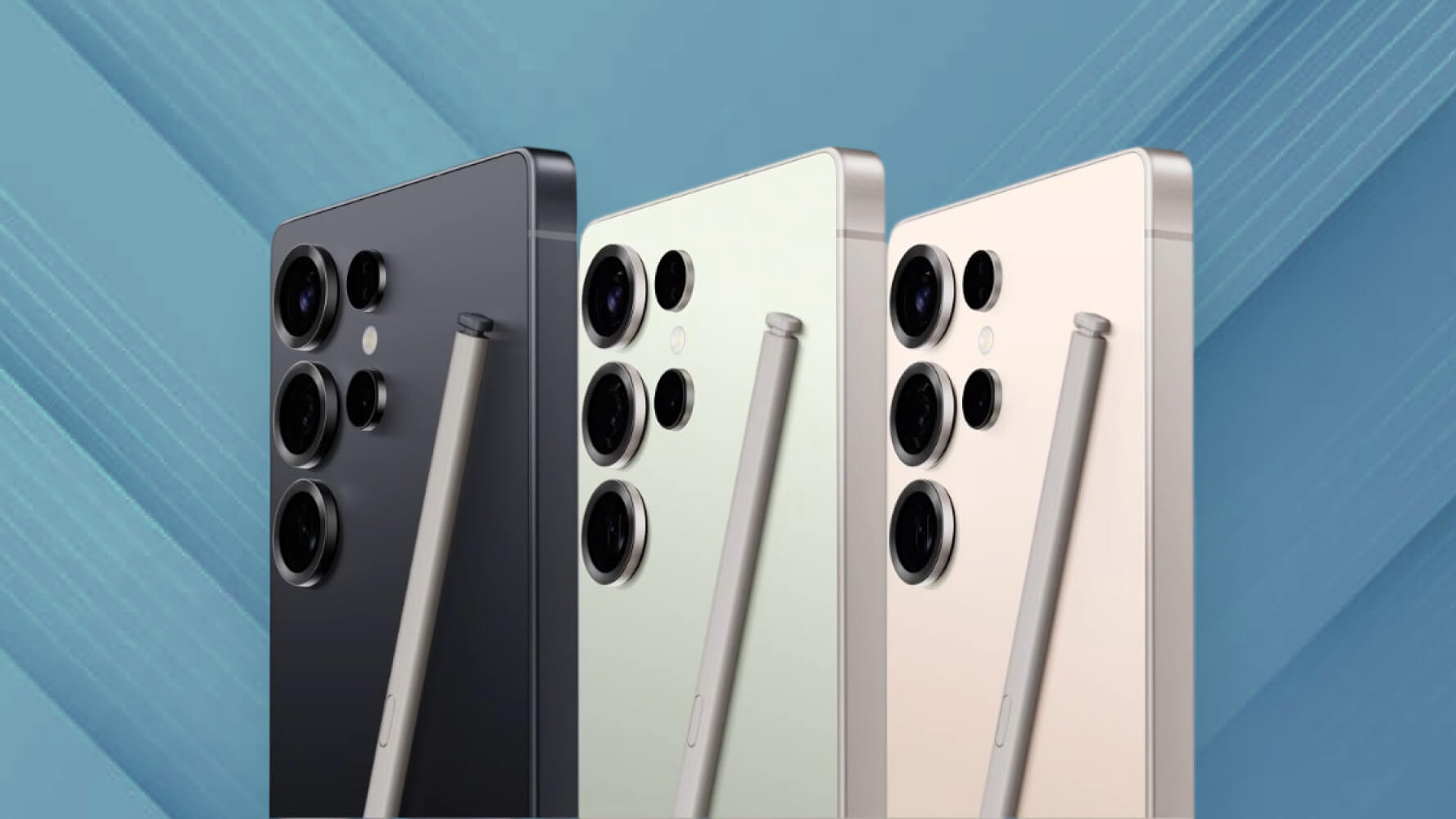
The Galaxy S27 Ultra cooling system will likely play an important role in determining the device’s real-world performance.
While processor speed often receives the most attention, cooling technology directly affects how long a smartphone can maintain peak performance.
Performance Depends on More Than Raw Power
Modern flagship devices must balance several factors:
• Processing power
• Thermal management
• Battery efficiency
• Software optimization
• Hardware integration
A powerful processor alone is not enough if excessive heat limits performance.
More Details Expected Before Launch
Samsung and Qualcomm are expected to reveal additional information about their next-generation technologies closer to launch.
Independent testing will ultimately determine whether Qualcomm’s cooling implementation performs differently from Samsung’s version.
Until then, reports about the Galaxy S27 Ultra cooling system remain part of the broader discussion surrounding future flagship smartphone technology.
FAQ
What is the Galaxy S27 Ultra cooling system expected to use?
Reports suggest the Galaxy S27 Ultra may use Qualcomm’s Snapdragon 8 Elite Gen 6 Pro processor with a version of Samsung’s Heat Path Block cooling technology.
What is Samsung’s Heat Path Block technology?
Heat Path Block is a copper-based cooling solution designed to draw heat away from the processor and improve thermal performance.
Why is smartphone cooling important?
Efficient cooling helps maintain performance, reduce overheating, improve battery life, and prevent thermal throttling.
Has Samsung confirmed the Galaxy S27 Ultra cooling system?
No official specifications have been announced yet, and current information is based on industry reports and tipster claims.
The Galaxy S27 Ultra cooling system is shaping up to be an important area of interest as smartphone processors become more powerful. While reports suggest Qualcomm’s implementation of Samsung’s HPB technology may not match the original design’s effectiveness, official details and independent testing will ultimately determine how the next-generation flagship performs in real-world conditions.
PLEASE CLICK HERE FOR MORE NEWS