 0
0
 0
0
The presence of the EFCC at Oyebanji Polling Unit became one of the major talking points during the ongoing Ekiti State governorship election as anti-graft operatives were seen monitoring activities at the governor’s voting location on election day.
Officials of the Economic and Financial Crimes Commission (EFCC) arrived at Polling Unit 003, Ward 06, Ikogosi, located in Ekiti West Local Government Area, where Governor Biodun Oyebanji was expected to cast his vote in the governorship election.
While the exact reason for their deployment was not officially disclosed at the time, observers linked the development to ongoing concerns surrounding possible vote-buying activities during the electoral process.

EFCC Operatives Arrive Early at the Polling Unit
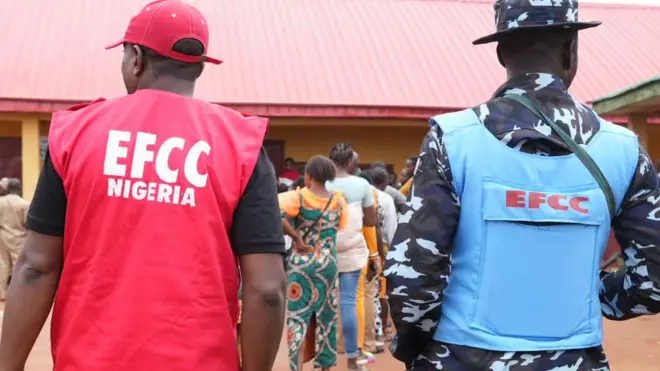
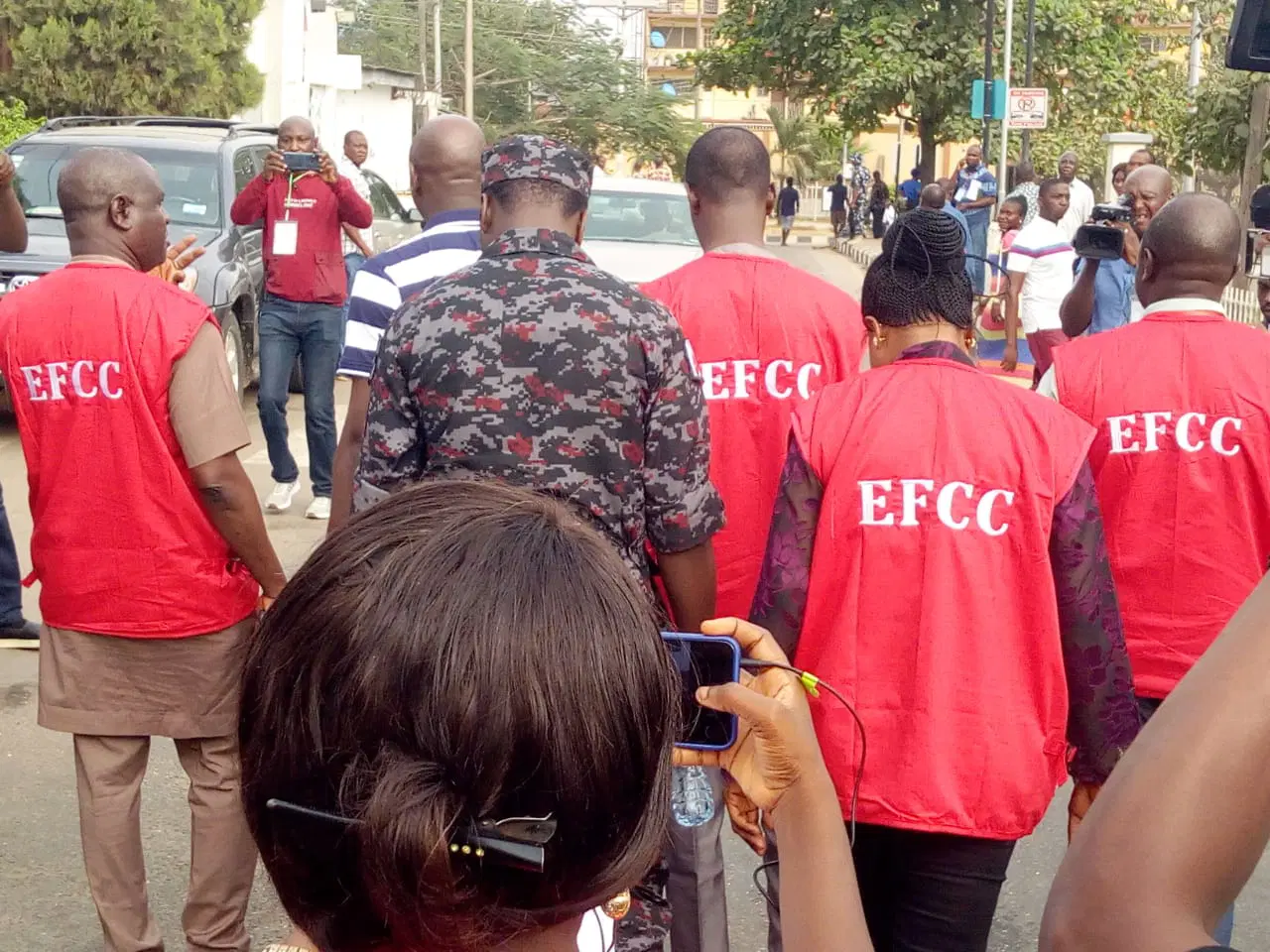
Reports from the polling location indicated that approximately 10 EFCC operatives arrived at the voting centre around 9:08 a.m. on election day.
The officers were seen observing the voting process and monitoring activities around the polling unit as voters continued to exercise their democratic rights.
Their presence attracted attention from voters, party supporters, election officials, and observers, especially given the strategic significance of the polling unit belonging to the incumbent governor.
Time of Arrival and Monitoring Activities
According to observations from the polling unit, voting had already commenced before the arrival of the anti-corruption agency’s personnel.
The EFCC officials positioned themselves around the area and closely monitored proceedings without disrupting the electoral process.
Election officials continued their duties while accredited voters proceeded with voting under the watch of security personnel and election observers.
Security Presence During Elections
Election security remains a critical aspect of Nigeria’s democratic process. Agencies are often deployed to ensure compliance with electoral regulations and to discourage illegal practices.
The appearance of EFCC officers at sensitive locations during elections is generally associated with efforts to monitor financial-related electoral offences and maintain transparency throughout the voting process.
Concerns Over Possible Vote Buying
One of the major issues surrounding the arrival of the EFCC at Oyebanji Polling Unit was speculation that the deployment could be related to concerns about vote buying.
Vote buying has remained a recurring challenge in several Nigerian elections, prompting electoral authorities and security agencies to increase surveillance around polling centres.
Although no official statement immediately confirmed the purpose of the EFCC’s presence at the location, election observers noted that anti-corruption agencies often focus on areas where allegations of inducement or financial influence may arise.
What Is Vote Buying?
Vote buying refers to the act of offering money, gifts, or other incentives to voters in exchange for electoral support.
The practice is prohibited under Nigeria’s electoral laws and is considered a threat to free and fair elections.
Common forms of vote buying may include:
• Direct cash payments to voters
• Distribution of food items or gifts tied to voting preferences
• Promises of financial rewards after voting
• Organized inducement schemes involving political agents
Authorities typically monitor polling centres closely to detect and prevent such activities.
Efforts to Combat Electoral Offences
Over the years, security agencies and election monitoring groups have intensified efforts to address electoral offences across Nigeria.
These efforts often include:
- Surveillance around polling units
- Monitoring suspicious financial transactions
- Deployment of security personnel to strategic locations
- Investigation of allegations involving political actors
- Collaboration with election management bodies
The presence of the EFCC at Oyebanji Polling Unit aligns with broader efforts aimed at protecting electoral integrity.
Voting Commences Across Ekiti State
The governorship election witnessed early commencement of voting in several parts of Ekiti State.
Reports from multiple local government areas indicated that election materials arrived on schedule in many locations, allowing voting activities to begin as planned.
Election officials conducted voter accreditation and supervised the process as residents turned out to participate in choosing the state’s next governor.
Election Day Activities
Across various polling units, voters queued to cast their ballots while security agencies maintained order.
Election observers also monitored proceedings to assess compliance with electoral guidelines and identify any potential irregularities.
The smooth commencement of voting in many areas was viewed as a positive development for the electoral exercise.
Importance of the Ekiti Governorship Election
The Ekiti governorship election is a significant political event within the state, determining who will lead the government for the next term.
The election also serves as a key test of electoral administration, security coordination, and voter participation.
Political parties and stakeholders closely monitor developments throughout the process due to the importance of the outcome.
Governor Oyebanji Seeks Re-Election
Governor Biodun Oyebanji entered the election as the candidate of the All Progressives Congress (APC), seeking another term in office.
His campaign focused on securing voter support across the state while defending his administration’s record.
As the incumbent governor, Oyebanji remained one of the most closely watched candidates in the election.
Competition From Multiple Candidates
The governorship race featured a large field of contestants.
In total, the election included 14 candidates, with Governor Oyebanji competing against 13 challengers from various political parties.
The presence of multiple candidates highlighted the competitive nature of the election and provided voters with a range of political options.
Significance of the Governor’s Polling Unit
The governor’s polling unit attracted attention not only because it was his designated voting location but also because of its voter population.
Polling Unit 003, Ward 06, Ikogosi, has a total of 668 registered voters.
As a result, activities at the location received increased scrutiny from political stakeholders, observers, journalists, and security agencies throughout election day.
EFCC at Oyebanji Polling Unit Draws Public Attention
The deployment of anti-graft officials to a governor’s polling unit naturally generated public interest and discussion.
Election observers noted that the visibility of security and anti-corruption agencies can help reinforce confidence in the electoral process when conducted professionally and within legal boundaries.
At the same time, stakeholders emphasized the importance of transparency regarding the role and mandate of all agencies involved in election monitoring.
As voting continued across the state, attention remained focused on developments at major polling centres, including the location where Governor Oyebanji was expected to vote.
FAQ
Why were EFCC operatives seen at Oyebanji’s polling unit during the Ekiti election?
The exact reason was not immediately disclosed. However, reports suggested that their presence may have been connected to monitoring and preventing possible vote-buying activities during the election.
What is the significance of the EFCC at Oyebanji Polling Unit?
The presence of anti-corruption officials at a high-profile polling centre drew attention because it highlighted efforts to monitor electoral conduct and discourage potential electoral offences.
How many EFCC operatives reportedly arrived at the polling unit?
Reports indicated that about 10 EFCC operatives arrived at Polling Unit 003, Ward 06, Ikogosi, in Ekiti West Local Government Area.
How many candidates contested the Ekiti governorship election?
The election featured 14 candidates in total, including Governor Biodun Oyebanji, who sought re-election, and 13 other contestants.
The arrival of EFCC officials at Governor Oyebanji’s polling unit became a notable development during the Ekiti governorship election. While the agency did not immediately clarify the purpose of its deployment, the move drew attention amid ongoing concerns about electoral integrity and vote-buying allegations. As voting continued across the state, observers remained focused on ensuring that the election process proceeded peacefully and in accordance with established electoral guidelines.
Click here for more news