 0
0
 0
0
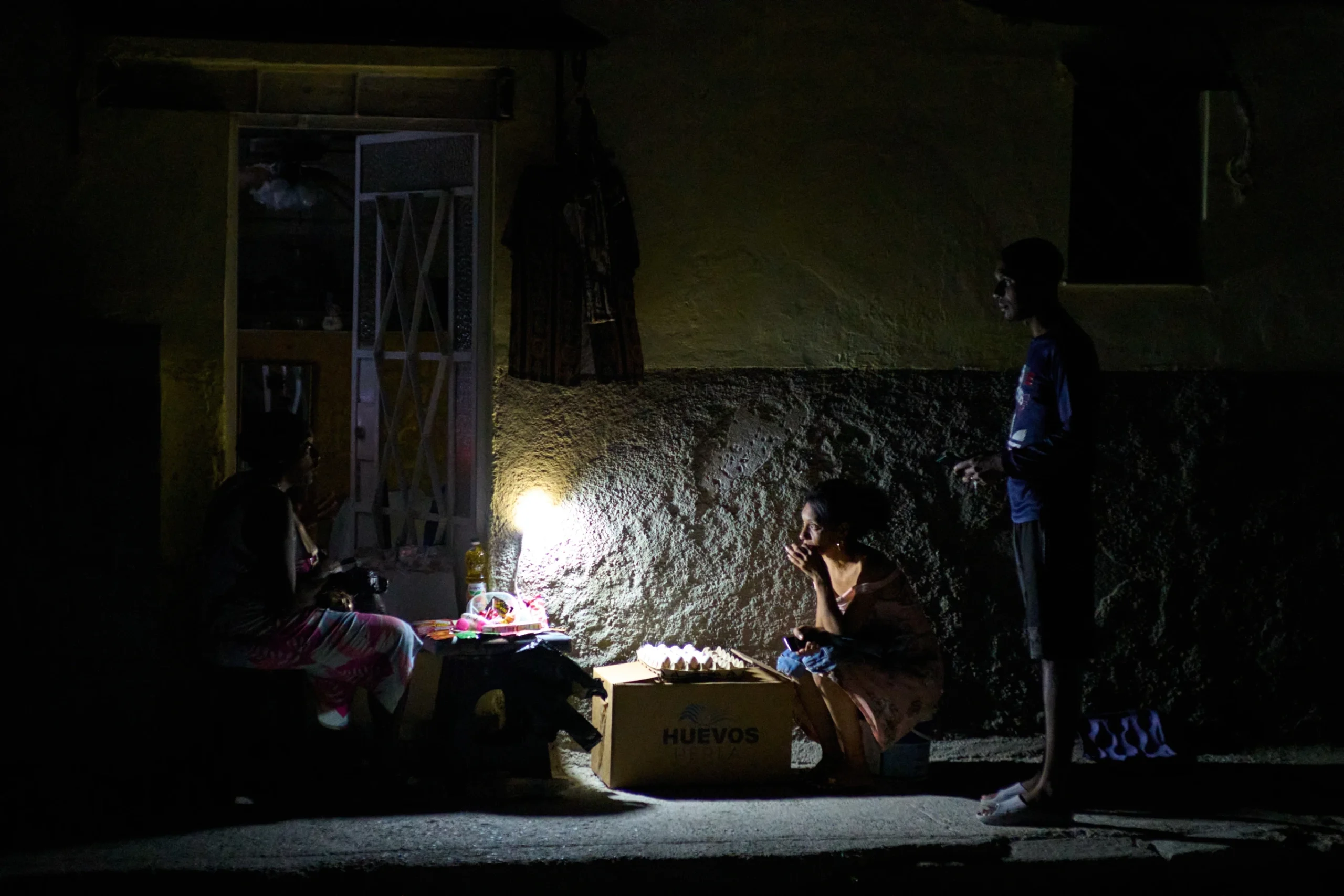
Cuba island wide blackout 2026 has left millions of residents across the Caribbean nation without electricity after the country’s national power grid experienced a complete disconnection, intensifying an already severe energy and economic crisis.
Officials confirmed that the nationwide outage affected nearly the entire population of around 11 million people. Authorities said the government is investigating the cause of the blackout while working to restore power across the island.
The crisis reflects growing challenges in Cuba’s electricity sector, including fuel shortages, aging infrastructure, and disruptions in oil supply.
Nationwide Blackout Leaves Millions Without Power
The Cuba island wide blackout 2026 occurred after the country’s electrical grid reportedly suffered a total system disconnection.
Cuba’s Ministry of Energy and Mines stated that the national electrical system experienced a “complete disconnection,” triggering widespread outages across the island.
Scale of the Power Outage
The blackout affected nearly all regions of the country, including major cities such as:
-
Havana
-
Santiago de Cuba
-
Camagüey
-
Matanzas
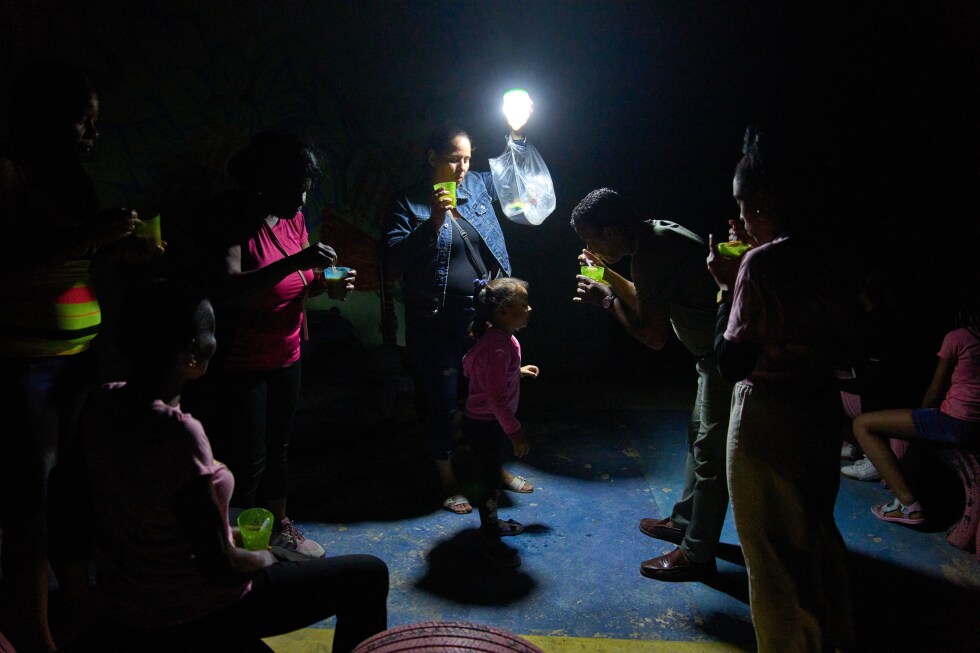
Millions of households suddenly lost access to electricity, affecting transportation, businesses, healthcare services, and communication networks.
Impact on Daily Life
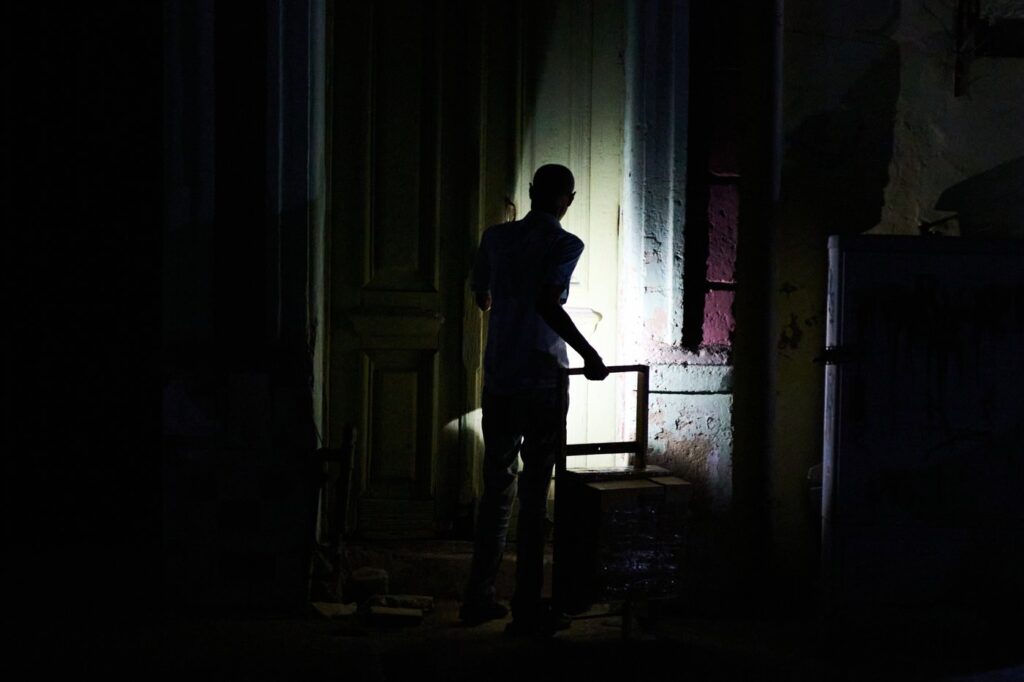
The nationwide outage disrupted essential services and daily routines for many residents.
Common consequences included:
-
Food spoilage due to lack of refrigeration
-
Limited public transportation
-
Reduced access to electricity-dependent services
-
Increased reliance on backup generators in hospitals
Long queues for essential items such as bread and food supplies were also reported in several areas of Havana.
Fuel Shortages at the Center of the Energy Crisis
One of the main drivers behind the Cuba island wide blackout 2026 is the severe shortage of fuel needed to run the country’s power plants.
President Miguel Díaz-Canel stated that Cuba has not received oil shipments for more than three months, forcing the country to depend on alternative power sources such as solar energy, natural gas, and thermoelectric plants.
Limited Energy Generation Sources
Currently, Cuba’s power supply depends on several key energy sources:
-
Thermoelectric power plants
-
Natural gas facilities
-
Solar power installations
-
Limited domestic petroleum production
Despite producing roughly 40% of its petroleum domestically, the available supply has not been enough to meet national electricity demand.
Healthcare System Affected
The energy shortage has also affected the healthcare system.
Government officials confirmed that tens of thousands of medical procedures and surgeries had to be postponed due to electricity constraints and lack of fuel.
Hospitals across the country have been forced to rely on generators to maintain essential services.
Role of Oil Supply Disruptions
The Cuba island wide blackout 2026 has been linked to disruptions in international oil supplies that the country depends on.
Historically, Cuba has relied heavily on imported fuel to sustain its electricity generation system.
Venezuelan Oil Shipments Halted
A key development contributing to the current crisis was the halt of oil shipments from Venezuela.
Cuba previously relied on Venezuelan crude oil shipments to support its energy infrastructure. However, those supplies reportedly stopped after geopolitical developments earlier in the year involving Venezuela’s leadership.
The sudden interruption of this supply chain significantly reduced Cuba’s available fuel reserves.
Pressure on Global Oil Suppliers
Cuban authorities have also pointed to pressure on countries supplying oil to the island.
The government has blamed an energy blockade connected to U.S. policies that warned of tariffs on countries selling oil to Cuba.
These developments have reportedly discouraged some suppliers from providing fuel shipments to the island.
Aging Infrastructure Worsens the Crisis
Beyond fuel shortages, Cuba’s electrical infrastructure has struggled for years due to aging power plants and limited maintenance resources.
Many of the country’s thermoelectric facilities were built decades ago and require costly upgrades.
Frequent Grid Failures
Cuba has experienced several major blackouts in recent years.
Energy experts note that the national grid is highly centralized, meaning that a failure at a key facility can quickly spread across the entire system.
Recent data shows that power generation deficits in Cuba have reached nearly 2,000 megawatts during peak demand periods, significantly reducing electricity availability.
Increasing Public Frustration
Prolonged outages have also sparked public frustration.
Residents in several regions have held nighttime demonstrations and protests, often banging pots and pans to protest extended power cuts lasting up to 20 hours per day.
These protests highlight the broader economic strain faced by citizens dealing with electricity shortages, inflation, and limited access to goods.
Government Talks With the United States
As the energy situation worsens, Cuban authorities confirmed that discussions have begun with the United States government.
President Díaz-Canel acknowledged that talks are ongoing as the government seeks ways to address the worsening energy crisis.
Potential Areas of Negotiation
Possible discussion topics could include:
-
Energy cooperation
-
Oil supply arrangements
-
Economic sanctions and trade policies
However, details about the discussions remain limited, and no agreements have been publicly confirmed.
Efforts to Expand Renewable Energy
Amid the ongoing crisis, Cuba has been attempting to increase renewable energy production to reduce dependence on imported oil.
Solar energy projects have been expanded in recent years as part of a long-term strategy to stabilize electricity generation.
Solar Power as an Alternative
Solar power facilities across the island now contribute increasing amounts of electricity to the national grid.
These installations are expected to play a larger role in Cuba’s future energy mix.
However, renewable energy capacity remains insufficient to fully replace fossil fuel-powered generation.
Investigation and Restoration Efforts
Authorities say technical teams are currently investigating the exact cause of the grid failure that triggered the Cuba island wide blackout 2026.
Engineers are working to gradually reconnect the national electrical system.
Prioritizing Critical Services
During the restoration process, priority is typically given to:
-
Hospitals and healthcare facilities
-
Water supply infrastructure
-
Telecommunications systems
-
Food production and distribution centers
Restoring power nationwide could take time depending on technical conditions and fuel availability.
FAQ
What caused the Cuba island wide blackout 2026?
The blackout occurred after the country’s electrical system experienced a complete disconnection, likely linked to fuel shortages, aging power plants, and ongoing energy supply disruptions.
How many people were affected by the blackout?
Approximately 11 million people across Cuba were affected when the national power grid collapsed.
Why is Cuba facing an energy crisis?
The crisis is linked to limited oil shipments, aging infrastructure, economic challenges, and disruptions in fuel supplies from international partners.
Is power being restored in Cuba?
Authorities have begun investigating the failure and are working to gradually reconnect the electrical grid and restore electricity across the country.
Conclusion
The Cuba island wide blackout 2026 underscores the severe challenges facing the country’s energy sector. With fuel shortages, aging infrastructure, and geopolitical pressures affecting oil supplies, the national electricity system has come under increasing strain. While authorities are working to restore power and explore diplomatic solutions, the crisis highlights the urgent need for long-term energy reforms and more resilient power infrastructure.
PLEASE CLICK HERE FOR MORE NEWS