 0
0
 0
0
The Tata iPhone Factory Health Probe has expanded as health authorities in India’s Tamil Nadu state investigate complaints from farmers who allege wastewater discharged from a Tata Electronics facility has affected nearby agricultural land and may be linked to skin-related health concerns.
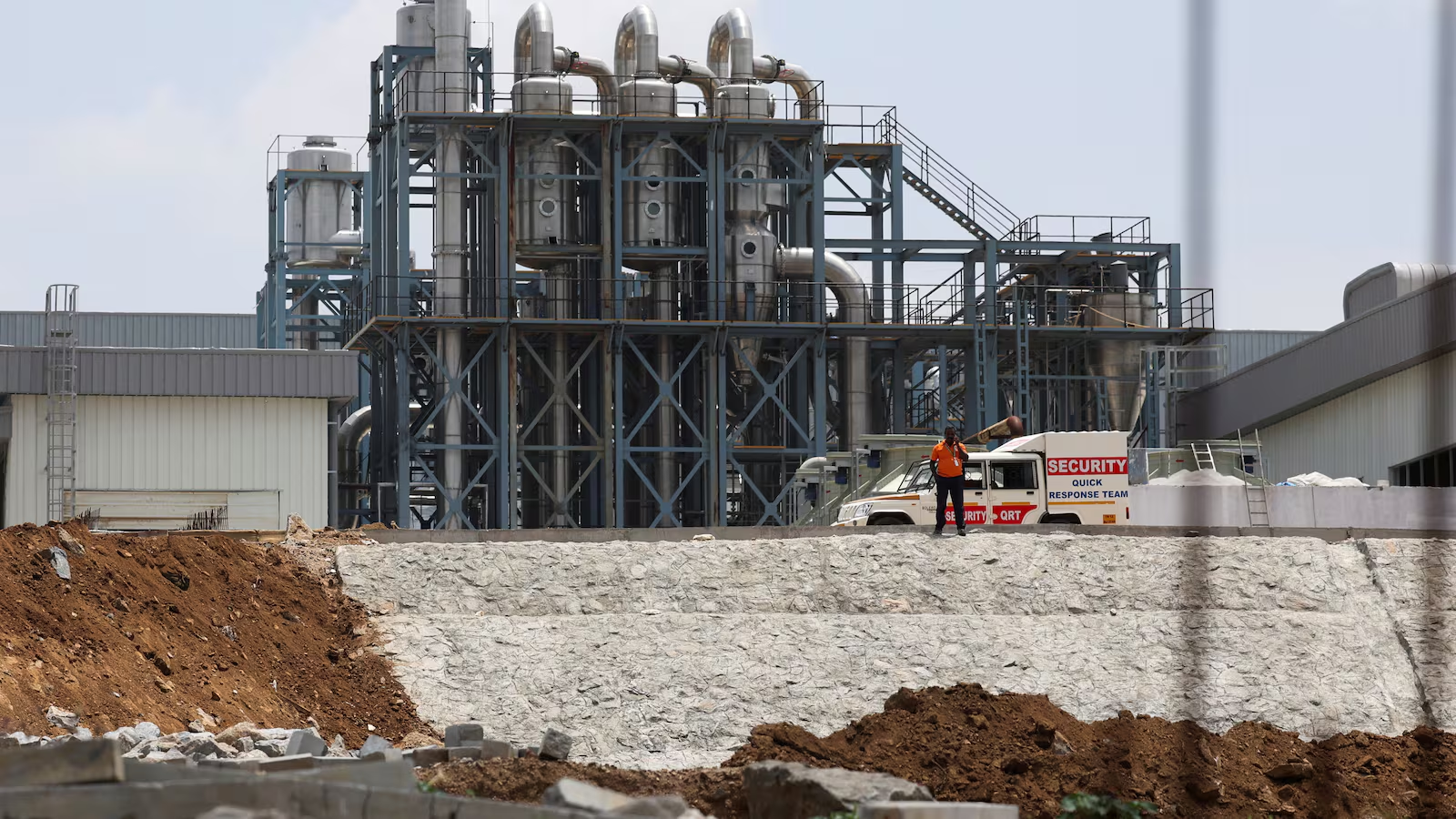
The investigation adds a new dimension to an ongoing environmental dispute involving a Tata Electronics plant in Hosur, a key manufacturing site that produces iPhone components for Apple. The facility plays an important role in India’s growing position within Apple’s global supply chain and the country’s efforts to become a major electronics manufacturing hub.
Officials are examining water quality concerns, health complaints, and environmental impacts raised by local residents, while Tata maintains that recent testing conducted by authorities found no evidence of contamination within its facility.
Health Authorities Launch Investigation
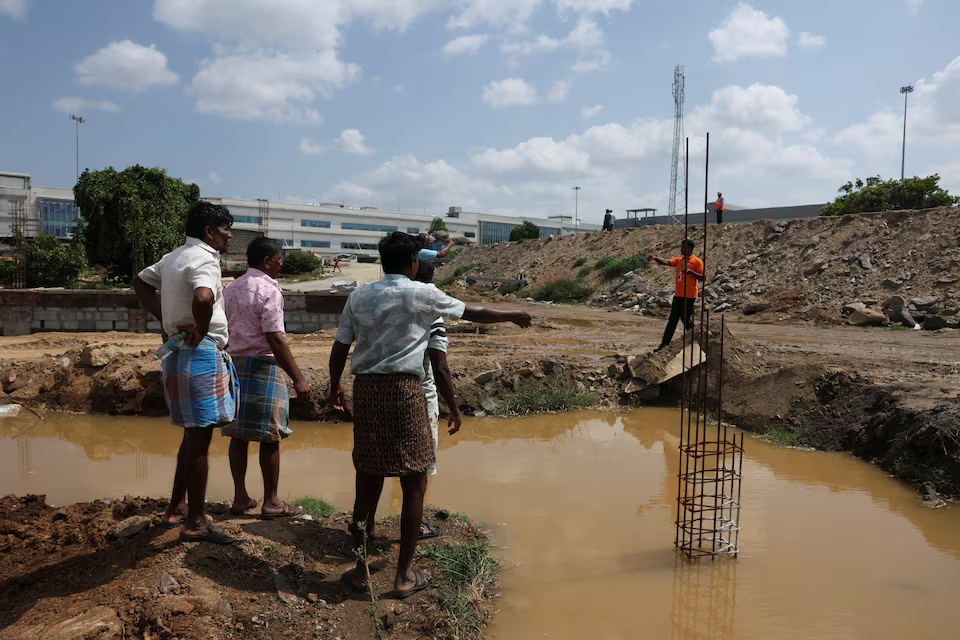
Health officials in the region began their inquiry after receiving complaints from farmers living near the manufacturing plant.
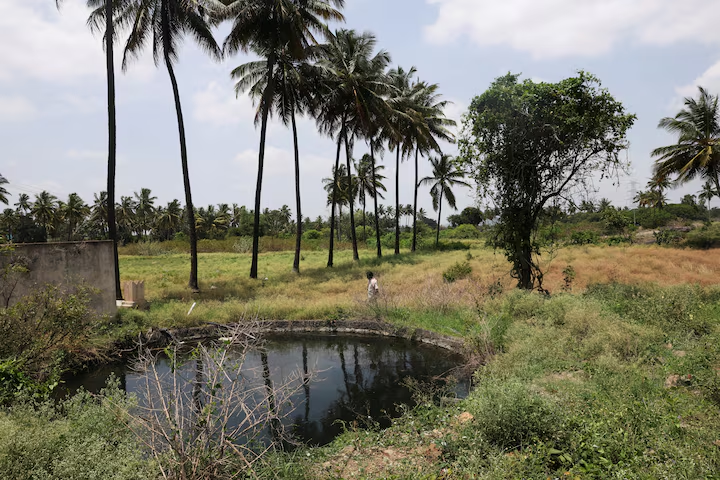
According to government sources, the investigation has been ongoing since late May and focuses on claims that wastewater may have affected nearby farmland and local water sources.
Complaints From Local Farmers
Residents in communities surrounding the factory reported concerns about:
- Unusual water conditions
- Foul odors in nearby areas
- Possible contamination of agricultural land
- Alleged skin-related health issues
- Effects on livestock and farming activities
The complaints prompted health authorities to conduct inspections and collect water samples for laboratory testing.
Health Concerns Under Review
Officials have stated that farmers reported experiencing skin-related issues believed to be associated with contaminated water.
However, authorities have emphasized that no direct clinical connection between the reported health complaints and the water conditions has yet been officially established.
The investigation remains active as experts continue to evaluate available evidence.
What the Initial Health Inspection Found
Documents reviewed by authorities indicate that local health officials conducted site visits after receiving complaints.
Conditions Observed During Inspection
According to inspection findings, officials reported:
- Strong unpleasant odors in affected areas
- Concerns about water quality
- Questions regarding the suitability of water for animals
- Potential impacts on nearby agricultural land
These observations contributed to the decision to conduct additional scientific testing.
Water Samples Sent for Analysis
Health officials collected water samples from nearby farms and submitted them to a government laboratory for examination.
Laboratory testing is intended to determine:
- Possible contamination sources
- Water quality levels
- Presence of harmful bacteria
- Potential public health risks
Further testing remains ongoing.
Water Testing Results Raise Questions
One aspect of the Tata iPhone Factory Health Probe involves laboratory findings from water samples collected near the facility.
Detection of E. Coli Bacteria
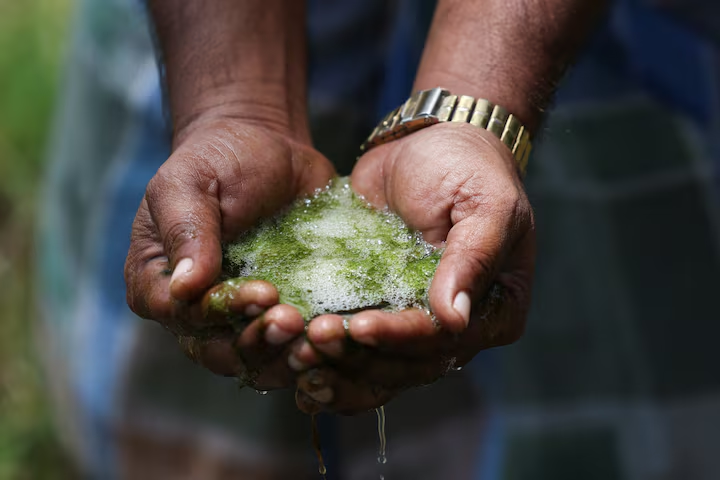
According to reports reviewed by officials, two water samples tested positive for E. coli bacteria.
E. coli is commonly used as an indicator that water may have been exposed to sewage contamination.
The presence of such bacteria does not automatically establish the source of contamination but often prompts further investigation by health authorities.
Additional Results Awaited
Officials overseeing the investigation have confirmed that further laboratory analysis is still underway.
The second phase of testing is expected to provide additional information regarding:
- Water safety
- Potential contamination sources
- Environmental conditions in the affected area
Authorities have not yet released final conclusions.
Environmental Concerns and Regulatory Scrutiny
The health investigation follows separate environmental concerns raised by local residents and regulatory agencies.
Pollution Board Warning
In May 2026, the Tamil Nadu Pollution Control Board reportedly issued a warning notice to the Tata Electronics facility after allegations of groundwater contamination in nearby farming areas.
The notice represented a significant development in the broader dispute between local farmers and the company.
Tata’s Position on the Matter
Tata stated that the pollution regulator later confirmed recent water samples collected inside the factory did not indicate contamination.
The company maintains that the regulatory review of those samples supported its position regarding environmental compliance.
Authorities have not publicly released additional comments regarding the matter.
Importance of the Facility to Apple’s India Expansion
The Tata iPhone Factory Health Probe has attracted international attention because of the plant’s role within Apple’s manufacturing network.
Tata’s Role in iPhone Production
The Hosur facility produces:
- iPhone back covers
- Smartphone components
- Other electronics parts
The plant has become an important contributor to Apple’s efforts to diversify manufacturing operations beyond China.
India’s Growing Manufacturing Sector
India’s electronics manufacturing industry has expanded rapidly in recent years.
Several factors have contributed to this growth:
- Increased foreign investment
- Government manufacturing incentives
- Expansion of smartphone production
- Growth of export-oriented industries
Industry analysts estimate that India now accounts for a significantly larger share of global iPhone production than it did just a few years ago.
Farmers Raise Agricultural Concerns
Local farmers argue that water quality issues have affected agricultural productivity in areas surrounding the plant.
Allegations From Farming Communities
Residents claim that wastewater contamination has:
- Affected groundwater sources
- Damaged farming activities
- Reduced crop productivity
- Impacted agricultural land quality
These concerns have been raised repeatedly with local authorities and company representatives.
Claims About Crop Damage
Some farmers allege that crops planted using water from affected areas have struggled to survive.
Reportedly affected crops include:
- Tomatoes
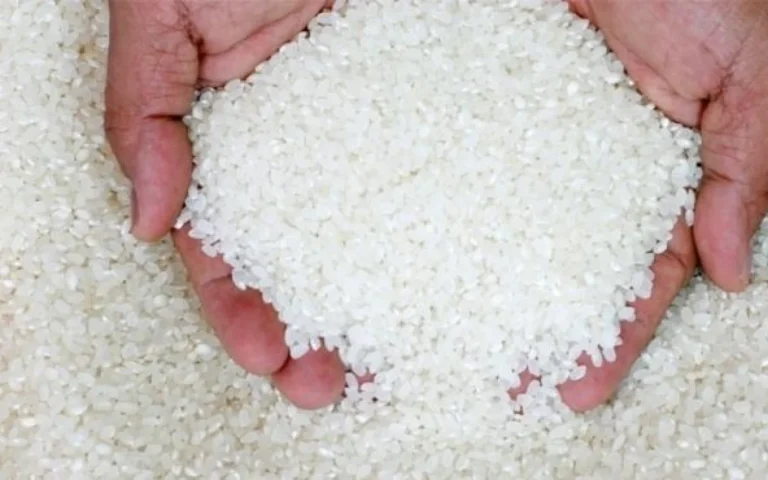
- Rice
- Beans
- Other locally cultivated produce
Independent verification of these claims remains ongoing, and authorities have not yet reached formal conclusions.
Questions About Water Quality
Water quality testing has become a central focus of the investigation.
Total Dissolved Solids Measurements
Environmental testing reportedly identified elevated levels of Total Dissolved Solids (TDS) in nearby wells.
TDS measures the concentration of:
- Minerals
- Salts
- Metals
- Other dissolved substances
Higher readings can indicate changes in water quality and often require further evaluation by environmental experts.
Expert Opinions
Environmental specialists note that elevated TDS levels may arise from various sources, including industrial activity, natural geological conditions, agricultural runoff, or other environmental factors.
Determining the exact cause typically requires comprehensive investigation and additional testing.
Previous Environmental Assessments
The ongoing dispute contrasts with findings from earlier environmental reviews.
Earlier Water Quality Findings
A publicly available environmental study conducted in 2023 reportedly found that water quality around the plant met applicable drinking water standards at the time.
This has added complexity to current investigations as officials seek to determine whether conditions have changed since previous assessments.
Continuing Evaluation
Authorities are expected to compare historical data with current testing results to better understand the situation and identify any potential environmental changes.
Broader Implications for Manufacturing Growth
The Tata iPhone Factory Health Probe comes at a time when India is actively promoting itself as a global manufacturing destination.
Balancing Growth and Environmental Protection
As industrial expansion continues, governments and companies increasingly face the challenge of balancing:
- Economic development
- Job creation
- Environmental protection
- Public health concerns
Cases such as this highlight the importance of regulatory oversight and community engagement.
Importance for Global Supply Chains
The outcome of the investigation could attract attention from international manufacturers and investors because of India’s growing role in global technology production.
Maintaining environmental compliance and community trust remains an important aspect of sustainable industrial growth.
What Happens Next?
Several aspects of the investigation remain unresolved.
Ongoing Health Inquiry
Authorities are continuing to:
- Review laboratory results
- Assess health complaints
- Evaluate environmental conditions
- Gather additional evidence
Final findings have not yet been released.
Potential Regulatory Outcomes
Depending on the results of ongoing investigations, regulators may determine whether any further action is necessary.
For now, both environmental and health reviews remain active.
FAQ
Why is the Tata iPhone Factory Health Probe taking place?
Health officials launched the investigation after farmers reported possible contamination of farmland and water sources near a Tata Electronics facility in Hosur, Tamil Nadu.
What health complaints have been reported by farmers?
Some farmers have reported skin-related issues and concerns about water quality, although authorities have not yet established a direct medical connection.
What did water testing near the Tata factory reveal?
Initial testing reportedly detected E. coli bacteria in certain water samples, while additional laboratory analysis remains ongoing.
How important is the Tata Electronics plant to Apple?
The facility produces iPhone components and plays a significant role in Apple’s strategy to expand manufacturing operations in India.
Conclusion
The Tata iPhone Factory Health Probe continues as health and environmental authorities investigate complaints from farmers near Tata Electronics’ Hosur facility. While local residents have raised concerns about water contamination, crop damage, and health issues, officials have not yet reached final conclusions. With additional laboratory testing still underway, the investigation’s findings will likely play an important role in determining the next steps for regulators, local communities, and one of India’s most significant electronics manufacturing facilities.
Click here for more news