 0
0
 0
0
The ADC condemns NDC de-registration development has sparked political debate in Nigeria after the African Democratic Congress (ADC) criticized a Federal High Court ruling in Lokoja that overturned earlier recognition of the Nigeria Democratic Congress (NDC), describing it as a threat to democratic stability ahead of the 2027 general elections.
The party expressed concern that the increasing involvement of legal and administrative processes in opposition party disputes could weaken democratic competition and reduce public trust in Nigeria’s electoral system.
ADC Rejects Court Decision on NDC Status
The African Democratic Congress strongly opposed the court ruling that set aside the earlier recognition of the NDC, arguing that the decision reflects a worrying trend in Nigeria’s political and legal environment.
Concerns raised by the opposition party
The ADC stated that the ADC condemns NDC de-registration situation is not an isolated legal matter but part of a broader pattern affecting opposition parties.
Key concerns highlighted include:
- Increasing legal disputes involving opposition parties
- Allegations of political interference in judicial processes
- Growing uncertainty around party recognition and legitimacy
- Potential weakening of political competition
Warning ahead of 2027 elections
The party warned that such developments could have long-term implications for Nigeria’s democracy, especially as the country approaches the 2027 general election cycle.
Allegations of Shrinking Democratic Space
The ADC further argued that Nigeria’s democratic space is gradually narrowing due to repeated legal and administrative challenges faced by opposition parties.
Claims of systemic political pressure
According to the party, the ADC condemns NDC de-registration issue reflects a broader concern about fairness in political participation.
The party claims that:
- Opposition parties are increasingly involved in court battles
- Political distractions are limiting their effectiveness
- Legal processes are being used in ways that affect competition
- Democratic inclusiveness may be weakening
Impact on political competition
The ADC emphasized that a healthy democracy depends on equal opportunities for all political actors, warning that imbalance could undermine electoral credibility.
Statement from ADC National Leadership
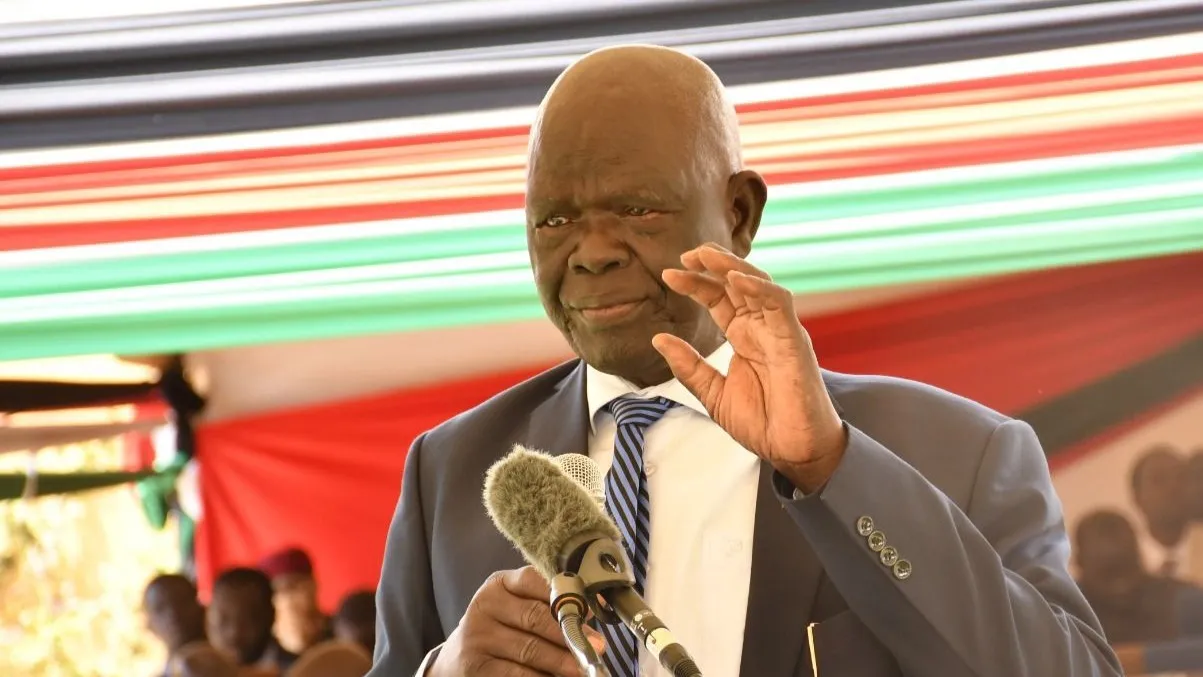
The party’s position was formally communicated through a statement issued by its National Publicity Secretary, Bolaji Abdullahi.
Key message of the statement
The statement emphasized that the ADC condemns NDC de-registration matter goes beyond one political party and touches the foundation of constitutional democracy.
It noted that:
- Democracy depends on fair competition
- Institutions must remain neutral
- Citizens deserve genuine political alternatives
- No political group should be unfairly disadvantaged
Emphasis on equal treatment
The ADC stressed that confidence in democratic systems relies heavily on how institutions treat all political participants, regardless of affiliation.
Broader Debate on Democracy and Governance
The controversy surrounding the court ruling has contributed to ongoing national discussions about governance, rule of law, and political fairness.
Role of judicial decisions in politics
The ADC condemns NDC de-registration situation has raised questions about the intersection between legal rulings and political outcomes.
Key issues under discussion
- The independence of judicial institutions
- The impact of court decisions on party structures
- The perception of fairness in legal processes
- The stability of opposition politics
Concerns about electoral credibility
Stakeholders argue that consistent legal disputes involving political parties could influence how citizens perceive the credibility of elections.
Opposition Unity and Political Stability
The ADC has called attention to the importance of maintaining a stable and inclusive political environment as Nigeria moves closer to future elections.
Importance of political balance
The party noted that democracy thrives when:
- Multiple parties can compete freely
- Institutions operate without bias
- Citizens can make informed choices
- Opposition voices remain active
Risks of prolonged disputes
The ADC warns that ongoing legal and political conflicts may:
- Distract opposition parties from governance debates
- Reduce voter confidence in the system
- Create uncertainty in political participation
- Limit meaningful democratic engagement
Implications for 2027 General Elections
The ADC condemns NDC de-registration development is being closely watched in political circles due to its possible implications for upcoming elections.
Electoral environment concerns
Observers note that repeated legal challenges involving political parties may shape the tone of future elections.
Key implications include:
- Increased scrutiny of party registration processes
- Greater political tension among parties
- Potential reforms in electoral regulations
- Heightened public debate on democracy
Call for institutional neutrality
The ADC reiterated that democratic institutions must remain neutral to ensure fairness and protect the integrity of Nigeria’s electoral process.

Frequently Asked Questions (FAQ)
What is the ADC condemns NDC de-registration issue about?
It refers to ADC’s reaction to a court ruling that set aside recognition of the NDC, which the party described as a threat to democracy.
Why is the ADC concerned about the court ruling?
The ADC believes it reflects a broader pattern of legal and political actions that may weaken opposition parties.
How could this affect Nigeria’s democracy?
It may reduce political competition, limit voter choices, and affect confidence in the electoral system.
What has the ADC called for?
The ADC has called for fairness, institutional neutrality, and equal treatment of all political parties.
Conclusion
The ADC condemns NDC de-registration controversy highlights growing political tensions in Nigeria’s democratic space as parties raise concerns about fairness, legal interference, and institutional neutrality. As the country approaches the 2027 elections, the debate underscores the importance of protecting democratic principles, ensuring equal political participation, and maintaining public confidence in governance structures.
Click here for more news