0
0
 0
0
How the Airbus A330 MRTT is Transforming Aerial Refueling
The Airbus A330 Multi-Role Tanker Transport (MRTT) is reshaping modern air operations. Earlier this month, a French-operated MRTT enabled Denmark’s F-35A flight over Greenland, highlighting the aircraft’s role in extending the reach and persistence of modern air forces.
Operated by France, NATO allies, and partners worldwide, the MRTT rarely headlines news. Yet missions from Greenland to the Indo-Pacific rely on its capabilities. It functions not as a showpiece but as a critical force multiplier for air campaigns.
Key Specifications of the Airbus A330 MRTT
-
Year Introduced: 2011
-
Number Built: ~70+ (production ongoing)
-
Length: 193 ft 7 in (59.0 m)
-
Wingspan: 197 ft 10 in (60.3 m)
-
Maximum Takeoff Weight: ~507,000 lb (230,000 kg)
-
Engines: Two Rolls-Royce Trent 700 or GE CF6-80E1 turbofans
-
Top Speed: Mach 0.86 (~560 mph / 900 km/h)
-
Range: ~8,000 mi (12,900 km) ferry
-
Service Ceiling: ~41,000 ft (12,500 m)
-
Fuel Capacity: 245,000 lb (111,000 kg)
-
Refueling Systems: ARBS boom, wing hose-and-drogue pods, centerline drogue
-
Loadout: Fuel plus up to 100,000 lb (45,000 kg) cargo or 300 troops
-
Aircrew: 2–3 plus mission specialists
What Makes the MRTT Unique?
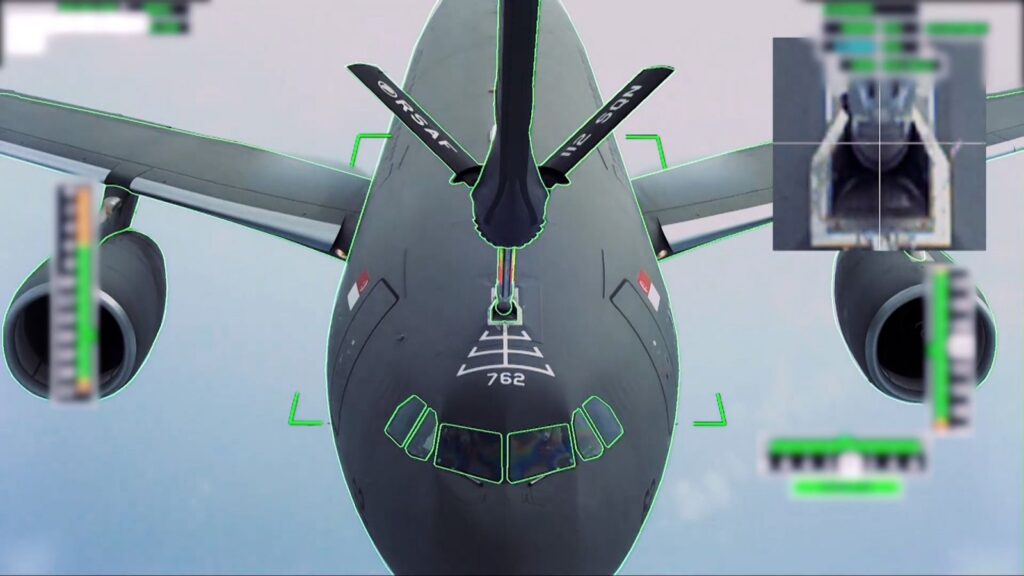
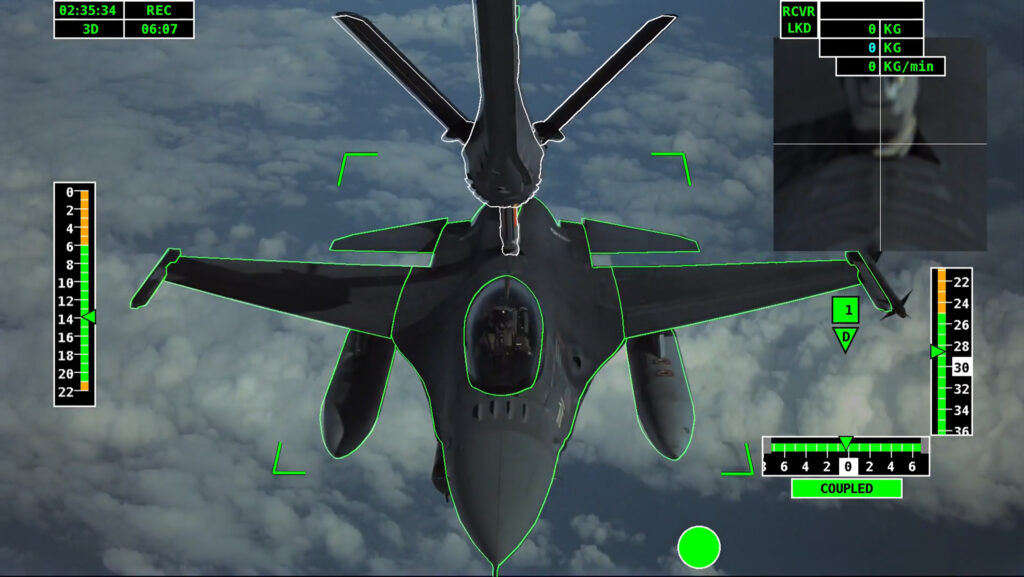
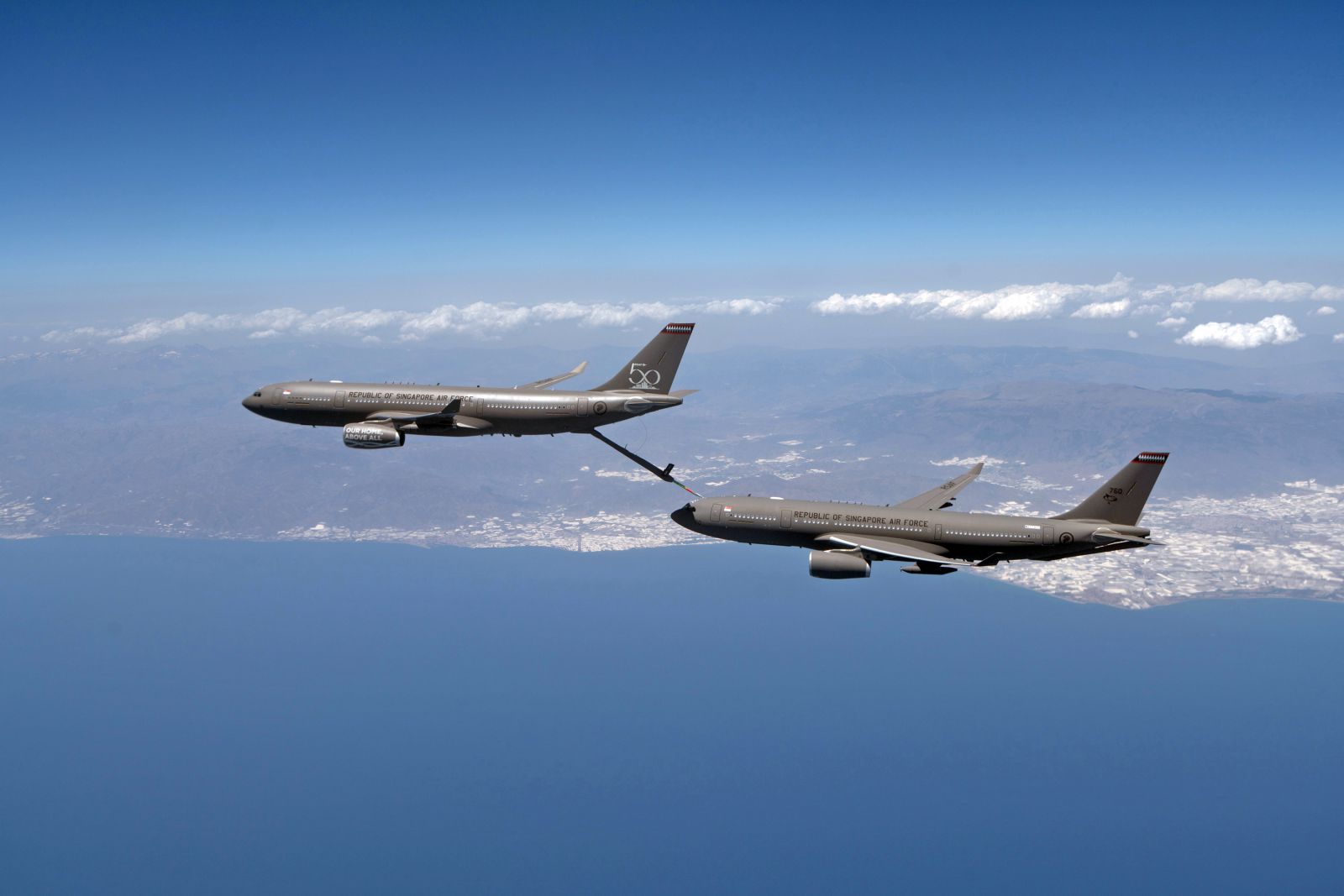
The MRTT is based on the Airbus A330 commercial airliner and serves three roles: aerial refueling, strategic airlift, and medical evacuation. It supports fast jets, transport aircraft, and coalition operations. Unlike older tankers, the MRTT combines modern wide-body efficiency with flexibility, reflecting a shift toward dual-use military platforms.
With a fuel capacity of 111 tonnes (245,000 lb), the MRTT can offload 50+ tonnes at 1,000 nautical miles. Advanced avionics, including fly-by-wire systems and a glass cockpit, improve mission efficiency. Its turbofan engines provide intercontinental range, enabling long-range deployments and continuous air patrols.
MRTT’s Impact on Modern Air Power
The MRTT extends fighter combat radius, supports stand-off operations, and reduces reliance on vulnerable forward bases. Tankers like the MRTT act as mobile infrastructure, enabling sustained air presence and coalition missions.
Strategically, the MRTT enhances European air autonomy, reducing dependence on U.S. support while improving NATO interoperability. Its commercial airliner base lowers operating costs, allows use of existing supply chains, and improves fuel efficiency compared to legacy KC-135 tankers.
Future of the MRTT
Demand for the MRTT continues to grow. NATO’s multinational fleet is expanding, with planned upgrades for connectivity and defensive systems. With longer-range fighters entering service, the MRTT’s role becomes even more critical. No near-term replacement exists, ensuring the MRTT will remain a backbone of allied air refueling into the 2040s.