 0
0
 0
0
The Pentagon has rejected a report claiming that senior US commanders strongly opposed plans to extend American military operations in the Middle East. Pentagon spokesman Sean Parnell explained that disagreements between commanders and the defense secretary are normal and part of the decision-making process.
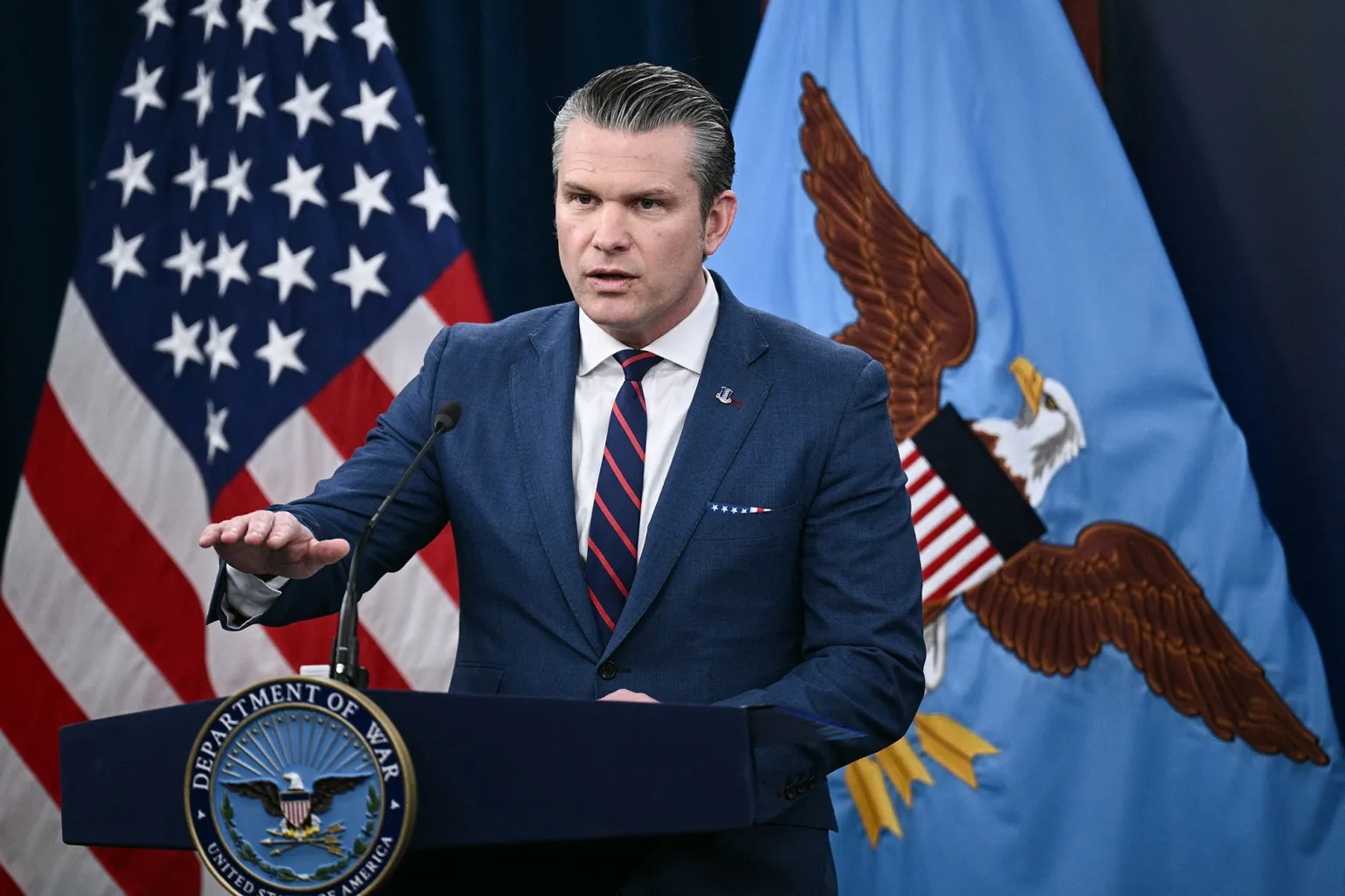
The Washington Post reported that four top commanders objected to keeping more than 50,000 US troops in the region through September, with some deployments possibly lasting until 2027. Parnell didn’t deny that objections were filed but said the report was misleading. He noted that Defense Secretary Pete Hegseth often receives formal objections, called “non‑concurs,” and that this is routine.
Pentagon military advice
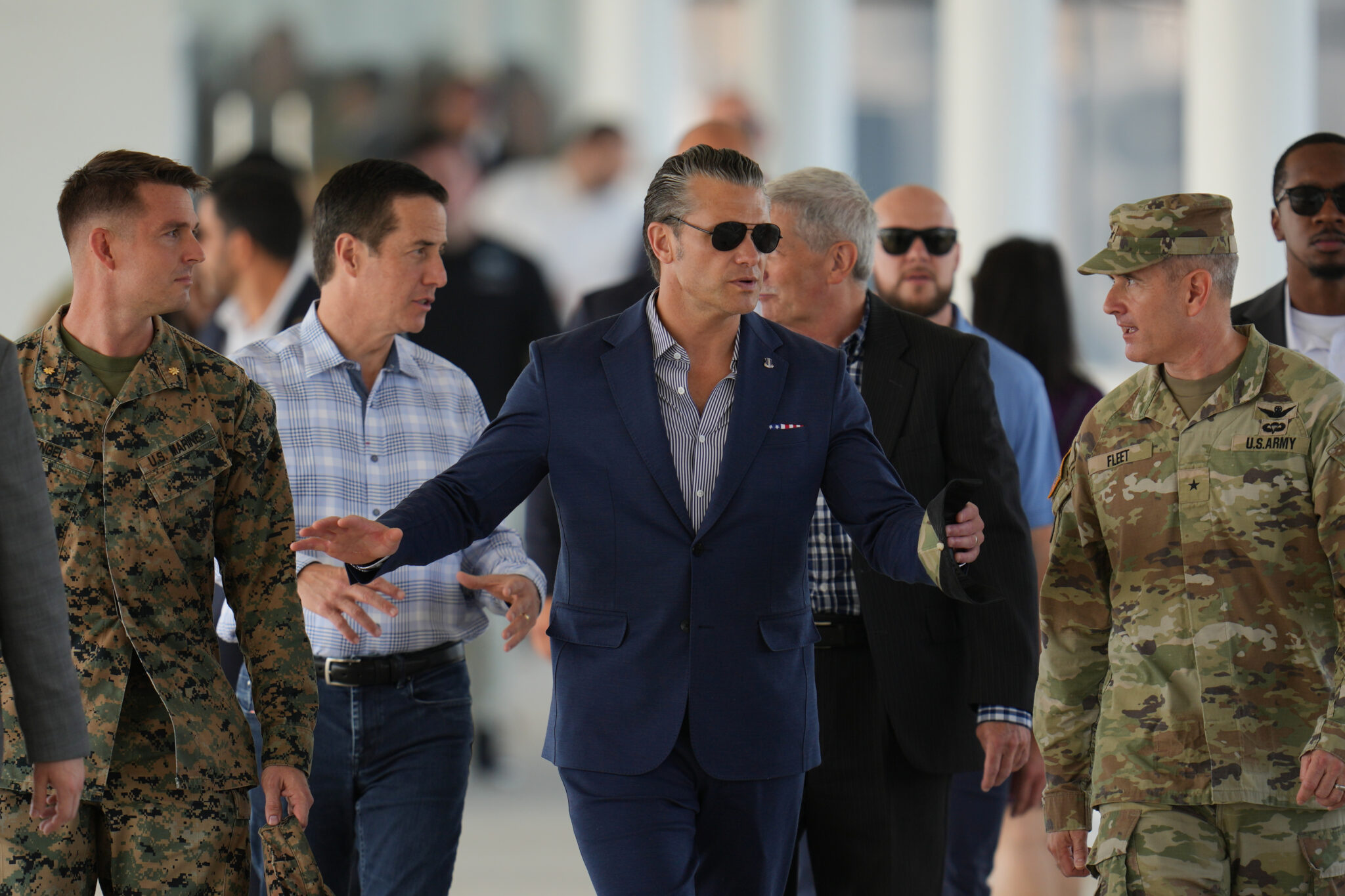
According to the Post, the objections came from Adm. Daryl Caudle, Gen. Alexus Grynkewich, Gen. Francis L. Donovan, and Adm. Samuel Paparo. Their concerns focused on the strain of extended deployments, the lack of a clear end date, and the impact on other defense responsibilities. The Navy reportedly warned it could not sustain its current commitments, while European and Southern Command leaders said shifting resources to the Middle East was affecting homeland defense.
Parnell defended Hegseth’s leadership, saying decisions about troop levels are based on threat assessments, priorities set by President Donald Trump and military advice. He also criticized the Post for publishing classified information. Reporter Dan Lamothe defended the story, arguing that independent journalism is necessary to inform the public about a war funded by taxpayers.
The dispute comes as US forces continue to clash with Iran, adding to concerns about the cost and duration of the conflict. Hegseth recently told senators that the war had cost about $37.5 billion. President Trump has described Iran as a failed nation, accusing its leaders of committing atrocities against protesters.
Furthermore, Pentagon military advice disagreements are part of normal military advice, while the reported objections highlight worries about sustainability and readiness. The debate underscores the tension between maintaining a large military presence abroad and protecting other US defense priorities.
PLEASE CLICK HERE FOR MORE NEWS