 0
0
 0
0
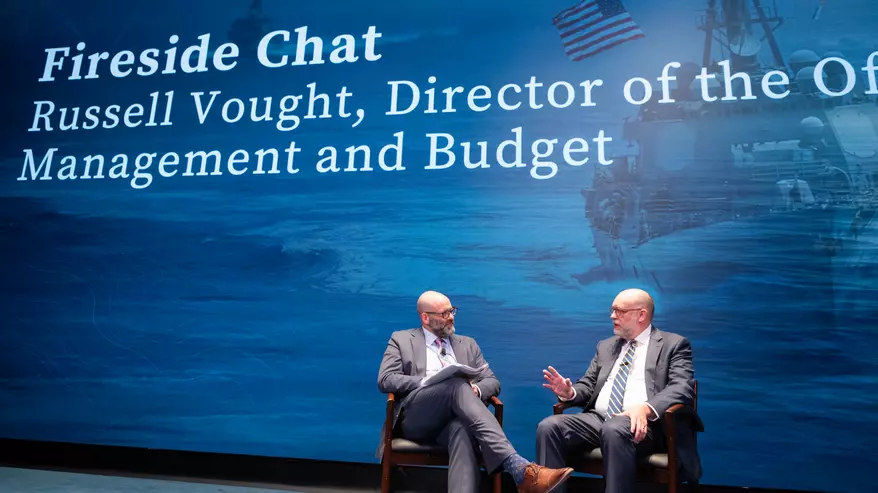
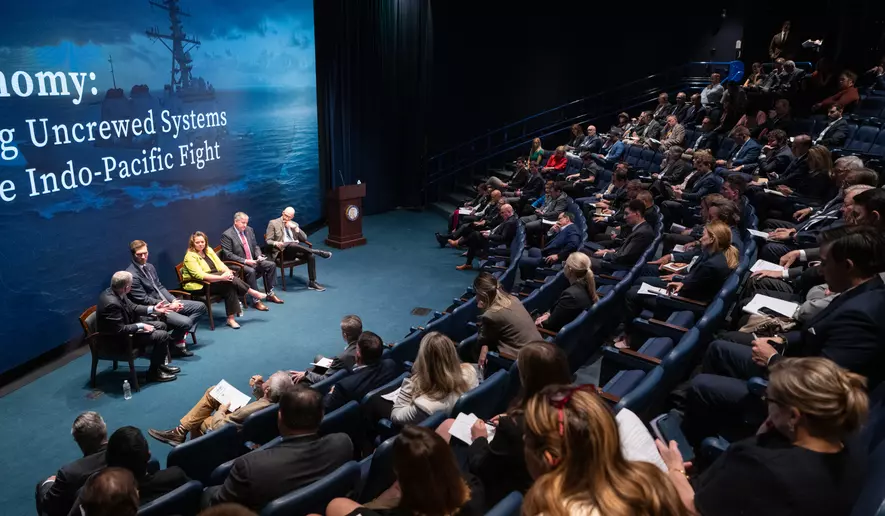
The Trump Golden Fleet initiative took center stage at a major national security event in Washington, where senior government officials, lawmakers, military leaders, and defense experts discussed plans to strengthen America’s maritime capabilities and modernize naval operations.
The initiative forms part of a broader effort by the Trump administration to increase U.S. shipbuilding capacity, improve naval readiness, expand autonomous military technologies, and address growing competition from China in the maritime domain.
Speaking at a Threat Status event focused on naval dominance, White House Office of Management and Budget Director Russell Vought outlined the administration’s strategy to accelerate ship production while reducing bureaucratic obstacles that have slowed progress for decades.

White House Targets Major Shipbuilding Reforms
A central theme of the discussion was the administration’s determination to revive American shipbuilding and increase the pace of naval construction.
Russell Vought argued that the United States must reverse years of declining ship production and return to a level of output that supports long-term maritime superiority.
New Shipbuilding Office Created
One of the most significant developments under the Trump Golden Fleet initiative is the establishment of a dedicated shipbuilding office within the Office of Management and Budget.
According to administration officials, the office was created to:
- Improve oversight of shipbuilding projects
- Coordinate federal maritime policies
- Reduce administrative delays
- Accelerate project implementation
- Support commercial and military ship production
The move reflects a government-wide effort to place greater emphasis on maritime development and naval expansion.
Focus on Maritime Dominance
The initiative builds upon the administration’s executive order titled “Restoring America’s Maritime Dominance,” signed in April 2025.
Officials say the policy aims to strengthen:
- Commercial shipbuilding
- Naval fleet expansion
- Domestic manufacturing
- Maritime workforce development
- Supply chain resilience
Supporters argue that maintaining strong maritime capabilities remains essential to national security and economic competitiveness.
Concerns Over America’s Shipbuilding Challenges
Several speakers highlighted longstanding issues affecting the U.S. shipbuilding industry.
Industry experts pointed to cost overruns, production delays, workforce shortages, and procurement challenges as obstacles that continue to affect major naval programs.
Previous Programs Faced Difficulties
Defense analysts referenced several high-profile shipbuilding efforts that experienced budget and schedule concerns.
Examples frequently discussed include:
- Littoral Combat Ship program
- Zumwalt-class destroyer program
- Constellation-class frigate development
While experts acknowledged the operational value of some vessels, concerns remain regarding project management and cost efficiency.
Workforce and Production Capacity Issues
Another challenge involves industrial capacity.
Industry leaders have warned that current shipyard production rates may struggle to meet future defense requirements.
Key concerns include:
- Skilled labor shortages
- Aging infrastructure
- Limited shipyard availability
- Supply chain constraints
- Rising construction costs
Addressing these issues remains a critical component of the Trump Golden Fleet initiative.
Growing Competition With China
A major reason for the administration’s focus on shipbuilding is China’s expanding naval presence.
Military analysts note that China now possesses a larger number of naval vessels than the United States, although the U.S. Navy continues to maintain significant advantages in global reach, technology, and power projection.
China’s Expanding Maritime Capabilities
Defense experts estimate that China’s navy operates approximately 370 ships, compared to roughly 295 vessels in the U.S. fleet.
This numerical advantage has increased concerns among policymakers regarding future strategic competition.
Several speakers emphasized that China has invested heavily in:
- Naval construction
- Shipyard infrastructure
- Advanced missile systems
- Maritime logistics
- Regional force projection
These developments continue to shape U.S. defense planning.
Calls for Expanded Shipyard Capacity
Lawmakers participating in the event stressed the importance of increasing America’s industrial capabilities.
Proposals discussed included:
- Building additional shipyards
- Expanding submarine production
- Improving maintenance infrastructure
- Increasing missile manufacturing capacity
- Supporting workforce recruitment programs
Many experts believe long-term investment will be necessary to close production gaps and maintain fleet readiness.
Defense Budget Supports Naval Expansion
The Trump Golden Fleet initiative is closely linked to broader defense spending plans.
The administration has proposed a defense budget of approximately $1.5 trillion for fiscal year 2027, with substantial funding directed toward naval modernization.
Shipbuilding Funding Projections
Budget estimates presented during the event suggest significant investment in future ship construction.
Projected spending includes funding for:
- New submarines
- Destroyers
- Aircraft carrier programs
- Fleet modernization projects
- Advanced maritime systems
Officials indicated that annual shipbuilding budgets could exceed $60 billion during several upcoming fiscal years.
Submarine Programs Receive Major Investment
Two of the largest spending priorities involve submarine development.
Funding projections identify the following programs among the most significant:
- Virginia-class submarines
- Columbia-class submarines
Both programs play central roles in maintaining U.S. naval deterrence and undersea warfare capabilities.
Autonomous Systems Become Strategic Priority
Another major topic at the event was the growing role of autonomous technologies in future military operations.
Military leaders and policymakers argued that unmanned systems will become increasingly important in future conflicts.
Expansion of Uncrewed Military Platforms
The administration’s plans include substantial investment in autonomous systems across multiple domains.
Areas receiving increased attention include:
- Unmanned aerial vehicles
- Surface drones
- Underwater drones
- Autonomous reconnaissance systems
- AI-enabled battlefield technologies
Supporters argue that these technologies can improve operational flexibility while reducing risks to personnel.
Rising Funding for Maritime Drones
Budget proposals show significant increases for naval drone programs.
Several maritime autonomous projects are expected to receive substantial funding increases in coming years.
Programs highlighted include:
- Medium unmanned surface vessels
- Autonomous underwater systems
- Remotely operated maritime platforms
Officials expect these systems to become an increasingly important part of naval operations throughout the Indo-Pacific region.
Indo-Pacific Strategy and Future Naval Operations
Military planners continue to view the Indo-Pacific as one of the most important strategic regions for future security challenges.
Several speakers emphasized the need for advanced technologies and flexible naval capabilities to address evolving threats.
Large-Scale Deployment Plans
Current plans envision expanded deployment of autonomous systems throughout the region by 2030.
Potential capabilities include:
- Intelligence gathering
- Maritime surveillance
- Logistics support
- Defensive operations
- Force multiplication
These systems could complement traditional naval assets and improve operational effectiveness.
Role of Emerging Technologies
Artificial intelligence and autonomy were repeatedly described as key factors shaping future warfare.
Defense leaders suggested that success in future conflicts may depend heavily on a nation’s ability to integrate advanced technologies into military operations.
The continued development of autonomous capabilities remains a major objective within the Trump Golden Fleet initiative.
Maritime Modernization Beyond Traditional Shipbuilding
Experts at the event stressed that future naval strength will depend on more than simply building additional ships.
A broader modernization effort is also required.
Key Areas of Modernization
Priority areas include:
- Digital command systems
- Artificial intelligence integration
- Autonomous operations
- Cybersecurity enhancements
- Advanced communications networks
These technologies are expected to support increasingly complex military missions.
Balancing Quantity and Capability
While fleet size remains important, defense planners also emphasized the importance of technological superiority.
Future investments are expected to focus on both expanding the number of vessels and improving their operational capabilities.
This dual approach is intended to ensure long-term maritime competitiveness in an increasingly complex security environment.
FAQ
What is the Trump Golden Fleet initiative?
The Trump Golden Fleet initiative is a maritime modernization effort focused on expanding U.S. shipbuilding, strengthening naval capabilities, and increasing investment in autonomous military systems.
Why is the U.S. increasing shipbuilding efforts?
Officials say increased shipbuilding is necessary to address production shortfalls, modernize the fleet, improve readiness, and respond to growing naval competition from China.
How much funding is proposed for future shipbuilding?
Administration budget plans include tens of billions of dollars annually for shipbuilding programs, with projected spending exceeding $60 billion in several upcoming years.
What role do autonomous systems play in future naval operations?
Autonomous systems such as aerial drones, surface vessels, and underwater platforms are expected to support surveillance, reconnaissance, logistics, and combat operations in future military environments.
The discussions surrounding the Trump Golden Fleet initiative highlight a broader effort to strengthen America’s maritime capabilities through shipbuilding expansion, technological innovation, and defense modernization. As policymakers continue evaluating funding priorities and strategic goals, shipbuilding and autonomy are expected to remain central components of future U.S. naval planning.
Click here for more news