 0
0
 0
0
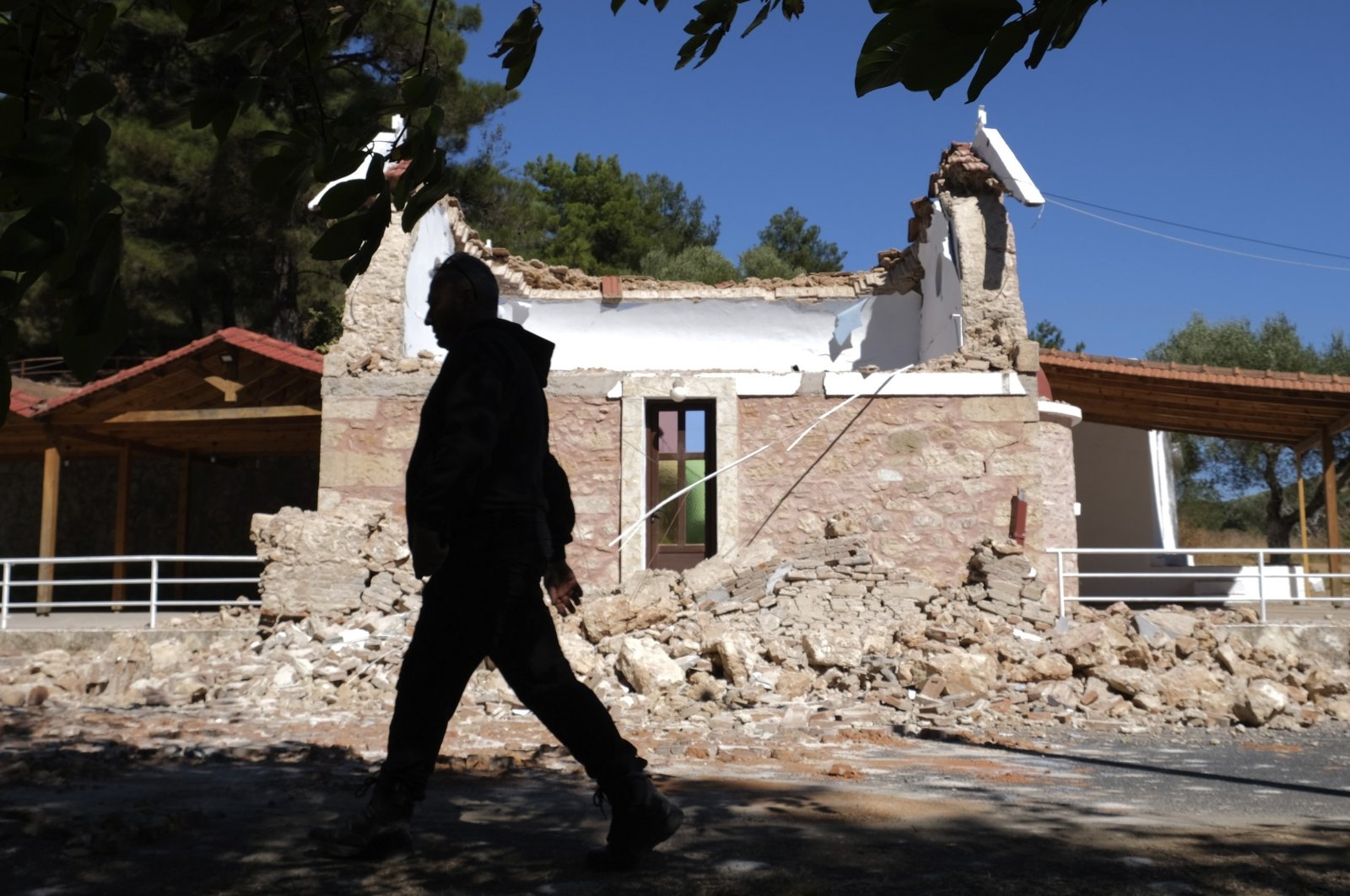
Greece earthquake Crete tremor was reported after a 5.8-magnitude earthquake struck near the popular Mediterranean island of Crete on Saturday. The seismic event raised concern among residents and tourists, although no immediate reports of damage or injuries were confirmed.
Authorities continue to monitor the situation as seismic activity remains a recurring natural hazard in the region.
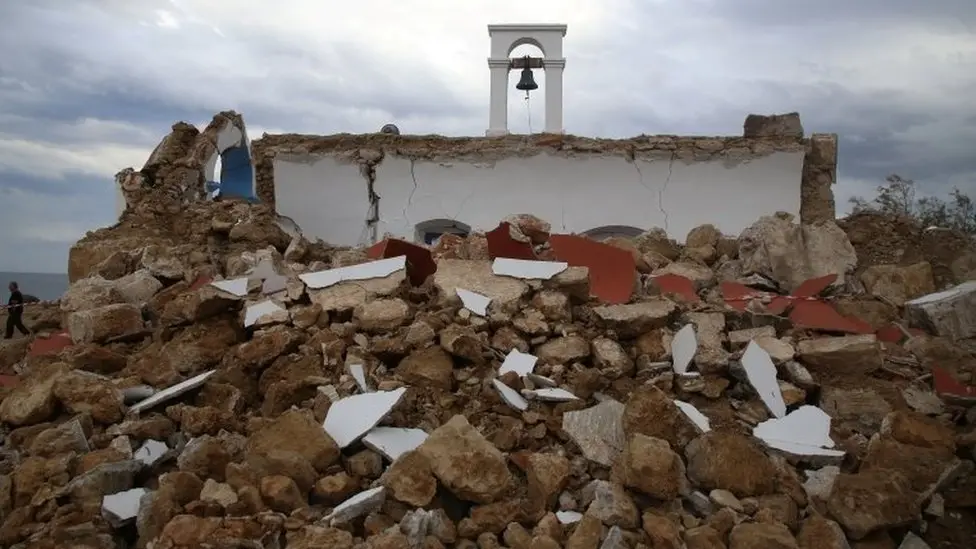
Earthquake Strikes Off the Coast of Crete
The earthquake occurred in the southern region of Greece, near the island of Crete, which is one of the country’s most visited tourist destinations.
The Greece earthquake Crete tremor was felt across surrounding areas, prompting attention from local monitoring agencies.
Location and Depth of the Tremor
According to seismic monitoring data, the earthquake:
- Had a magnitude of 5.8
- Occurred at a depth of approximately 13 km (8 miles)
- Struck about 69 km south-southwest of Rethymno
The relatively shallow depth contributed to the tremor being felt across a wider area.
No Immediate Damage Reported
Despite the strength of the earthquake, early reports indicated:
- No confirmed structural damage
- No reported casualties
- No emergency evacuations at the time of reporting
Authorities stated that assessments were still ongoing.
Crete’s Seismic Activity and Risk Profile
The island of Crete lies in a seismically active region due to its location along major tectonic boundaries in the Mediterranean.
The Greece earthquake Crete tremor is part of a pattern of periodic seismic events affecting the area.
Why Crete Experiences Earthquakes
Crete is vulnerable to earthquakes because:
- It sits near converging tectonic plates
- Subsurface fault lines run through the region
- The Mediterranean seismic zone is highly active
These conditions make moderate earthquakes relatively common.
Historical Seismic Events in Greece
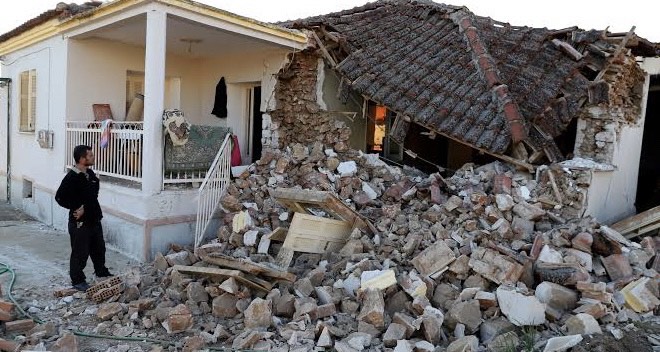
Greece has experienced numerous earthquakes over the years, ranging from mild tremors to stronger destructive events. The country is considered one of the most earthquake-prone regions in Europe.
Impact on Tourism and Local Communities
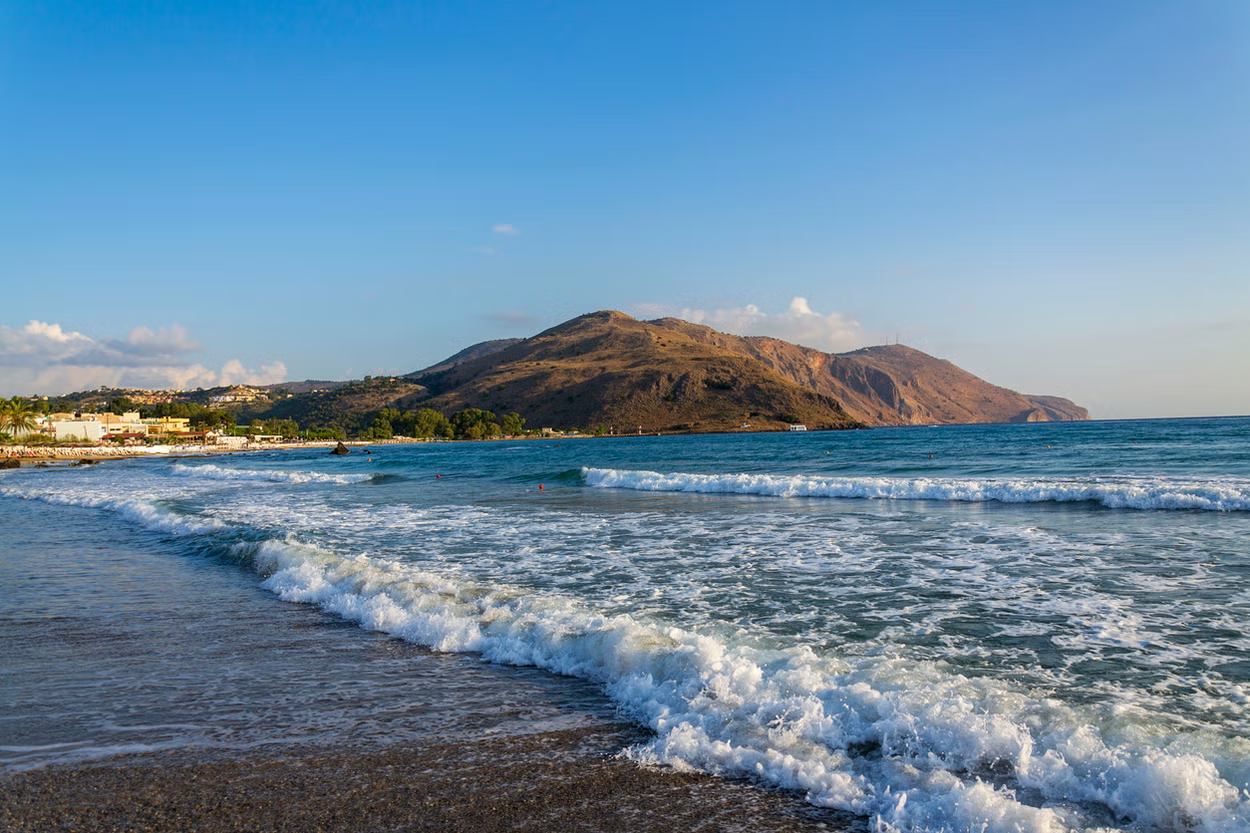
Crete is a major tourism hub, attracting millions of visitors each year. In 2025 alone, more than six million tourists visited the island.
The Greece earthquake Crete tremor briefly raised concern among visitors and hospitality operators.
Tourism Activity in Crete
Key tourism highlights include:
- Coastal resorts and beaches
- Historical and archaeological sites
- Seasonal summer travel peaks
- Strong hospitality and service industry
Earthquakes can temporarily affect tourist confidence, although infrastructure in the region is generally built to withstand seismic activity.
Response from Local Authorities
Local agencies are responsible for:
- Monitoring aftershocks
- Inspecting infrastructure safety
- Providing public updates
- Coordinating emergency readiness if needed
Seismological Data and Monitoring
The earthquake was recorded by international seismic monitoring agencies, which track global tectonic activity in real time.
Earthquake Measurements
Key scientific details include:
- Magnitude: 5.8
- Depth: 13 km
- Location: Mediterranean seismic zone near Crete
Shallow earthquakes such as this are often more widely felt than deeper ones.
Aftershock Possibility
Experts typically monitor for aftershocks following a quake of this magnitude. While not guaranteed, smaller tremors can follow within hours or days.
Public Safety Guidance During Earthquakes
Authorities generally advise residents and visitors in earthquake-prone areas to follow safety protocols during seismic activity.
Recommended Safety Steps
- Move away from unstable structures
- Take cover under sturdy furniture if indoors
- Avoid elevators during tremors
- Stay in open areas if outdoors
- Follow official emergency instructions
Preparedness in Tourist Regions
Tourist destinations like Crete often have:
- Emergency response systems
- Seismic-resistant building codes
- Public awareness programs
- Rapid communication alerts
These measures help reduce risks during unexpected events.
FAQ
Where did the 5.8-magnitude earthquake in Greece occur?
The earthquake struck near the southern coast of Greece, about 69 km south-southwest of Rethymno on the island of Crete.
Were there any damages reported after the earthquake?
No immediate reports of damage or injuries were confirmed following the earthquake.
Why is Crete prone to earthquakes?
Crete is located in a highly active seismic zone where tectonic plates meet, making earthquakes relatively common.
Could aftershocks occur after this earthquake?
Yes, aftershocks are possible after a 5.8-magnitude earthquake, though their intensity and frequency can vary.
The Greece earthquake Crete tremor serves as a reminder of the region’s natural seismic activity. While no damage was reported, authorities continue to monitor the situation closely to ensure public safety and assess any potential aftershocks.
Click here for more news