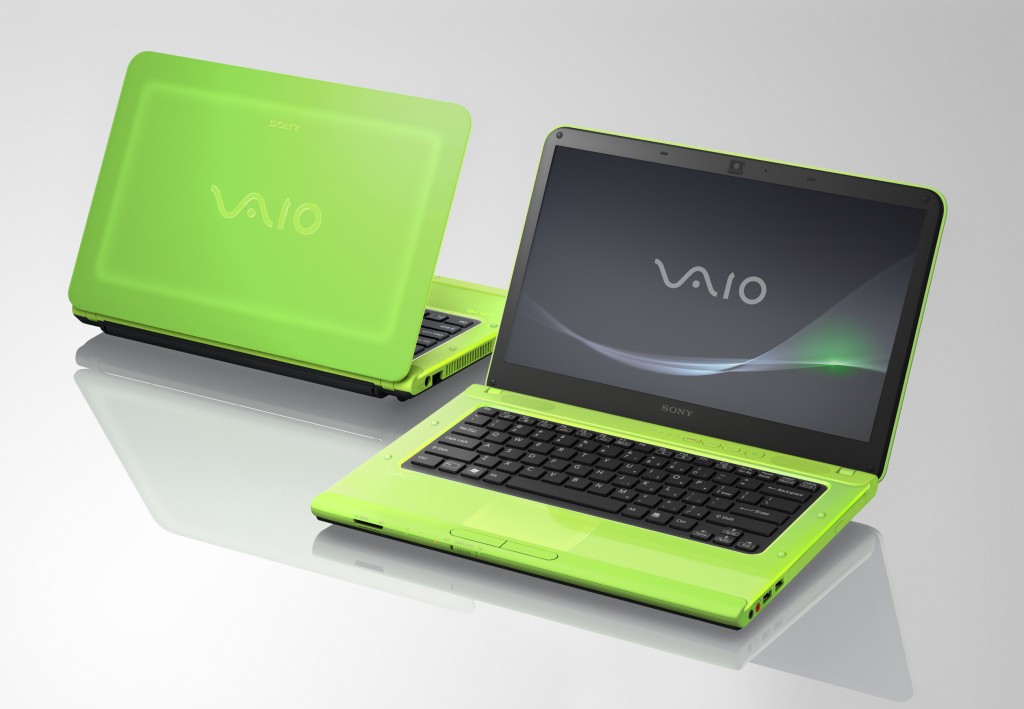
Sony Vaio laptops were once among the most recognizable premium computers in the world, but what happened to Sony Vaio laptops is a story shaped by rising competition, high production costs, and major shifts in the global PC market.
The brand enjoyed nearly two decades of success before Sony eventually sold the majority of its PC division in 2014, marking the end of Vaio under Sony’s direct control.
The Rise of Sony Vaio in the PC Market
Sony launched the Vaio laptop brand in 1994, entering a growing personal computer market with a focus on design, performance, and premium pricing.

A Premium Laptop Identity
From the beginning, Vaio positioned itself as a high-end alternative to mainstream PCs.
Sony focused on:
- Stylish industrial design
- Strong multimedia performance
- Early adoption of multimedia features
- High-quality displays and hardware
- Premium branding and pricing
These features helped Vaio stand out in a crowded market during the late 1990s and early 2000s.
Strong Early Popularity
At its peak, Vaio laptops were widely used by professionals, creatives, and consumers who valued design and brand reputation.
However, this premium strategy also made the laptops more expensive than many competitors.
Why Sony Vaio Laptops Became Expensive
One of the key reasons behind what happened to Sony Vaio laptops was their high production cost structure.
Sony positioned Vaio as a luxury computing brand, which significantly increased retail prices.
High-End Pricing Strategy
Many Vaio models were priced significantly higher than competing laptops at the time.
Examples included:
- Premium models priced above $2,000
- Mid-range laptops still above $1,000
- Budget options were limited compared to competitors
This pricing strategy narrowed Sony’s potential customer base.
Competition from Cheaper Alternatives
As competitors like Dell, HP, and Lenovo expanded aggressively, consumers began shifting toward more affordable PCs offering similar performance.
At the same time, Apple’s MacBook line gained momentum in the premium segment, further reducing Vaio’s market share.
Declining PC Market and Rising Competition
Another major factor in what happened to Sony Vaio laptops was the global decline in PC demand during the early 2010s.
Global PC Shipments Dropped
By 2013, the PC industry experienced one of its biggest downturns, with shipments declining significantly worldwide.
This created pressure across all manufacturers, especially premium brands like Vaio.
Apple and Lenovo Dominated the Market
During this period:
- Apple expanded MacBook sales rapidly
- Lenovo grew aggressively in global PC shipments
- Dell strengthened its enterprise and consumer markets
Sony Vaio struggled to maintain competitiveness in both price and scale.

Sony’s Decision to Exit the PC Business
The turning point in what happened to Sony Vaio laptops came in 2014 when Sony made a major corporate restructuring decision.
Official Exit from the PC Market
In February 2014, Sony announced it would restructure its PC and TV businesses due to poor profitability.
Shortly after, Sony sold a majority stake in the Vaio brand.
Sale to Japan Industrial Partners
Sony sold approximately 95% of Vaio to Japan Industrial Partners (JIP), a Japanese investment firm specializing in corporate restructuring.
Sony retained only a small minority stake while exiting direct laptop manufacturing.
What Happened to Vaio After Sony Sold It
Even after Sony exited, Vaio did not completely disappear from the market.
Vaio Continued as an Independent Brand
Under new ownership, Vaio continued producing laptops, mainly targeting niche and premium users.
The brand shifted focus toward:
- Business laptops
- Lightweight ultrabooks
- Japanese domestic market products
- Premium professional devices
Smaller but Still Active Presence
While Vaio no longer competes at global scale, it still exists as a specialized laptop manufacturer under JIP.
However, its global influence is far smaller compared to its peak years under Sony.
Could Vaio Have Survived?
Industry analysts have often debated whether Vaio could have survived under Sony.
Missed Opportunities in Early 2000s
One major speculation is that Sony might have strengthened Vaio if it had pursued deeper software integration strategies earlier, similar to Apple’s ecosystem approach.
However, Sony remained hardware-focused while competitors built stronger software-hardware ecosystems.
Timing and Market Shifts
The decline of traditional PCs and rise of mobile computing also reduced demand for high-end laptops overall.
This shift further weakened Vaio’s position in the market.

Legacy of Sony Vaio Laptops
Even though Sony Vaio laptops are no longer part of Sony’s product lineup, their influence remains significant.
Design Influence Still Visible Today
Vaio was known for:
- Sleek laptop aesthetics
- Early innovation in portable design
- Multimedia-focused computing features
Many modern laptop designs still reflect ideas pioneered during the Vaio era.
A Symbol of Premium PC Design
Vaio remains remembered as a brand that prioritized design and experience over mass-market affordability.
FAQs
Why did Sony stop making Vaio laptops?
Sony exited the PC market due to declining global PC sales, high production costs, and strong competition from brands like Dell, Lenovo, and Apple.
Who owns Vaio laptops now?
Vaio is currently owned by Japan Industrial Partners (JIP), which acquired most of the brand from Sony in 2014.
Are Vaio laptops still being made today?
Yes, Vaio laptops are still produced, but they are focused mainly on niche and premium markets rather than global mass sales.
Were Vaio laptops expensive?
Yes, Vaio laptops were generally priced as premium devices, often costing significantly more than many competitors at the time.
Conclusion
What happened to Sony Vaio laptops reflects a major shift in the global PC industry. Once a premium leader in laptop design, Vaio was eventually overtaken by changing market trends, aggressive competition, and Sony’s strategic decision to exit the PC business. Today, Vaio survives in a smaller form under new ownership, but its legacy remains an important part of laptop history.