 0
0
 0
0
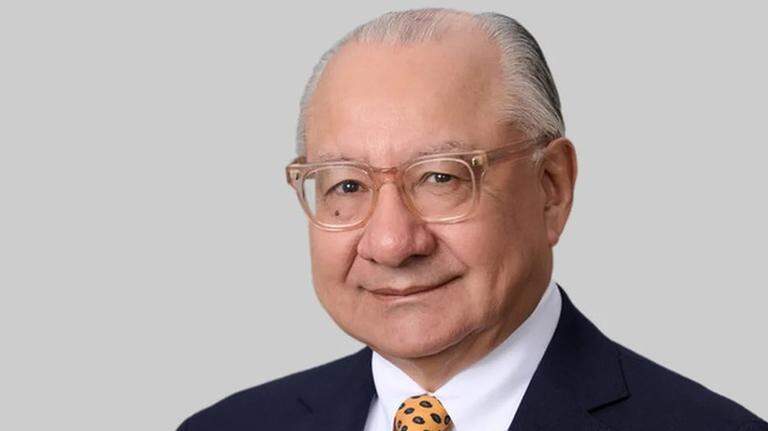
The Victor Manuel Rocha citizenship revocation case has drawn major attention after U.S. federal prosecutors moved to strip the former ambassador of his American citizenship over allegations that he secretly worked as a Cuban intelligence asset for decades while serving in high-level diplomatic roles.
The case centers on claims that Rocha obtained U.S. citizenship through deception during his naturalization process and later used his position inside the U.S. government to support Cuba’s intelligence operations. He is currently serving a 15-year prison sentence after pleading guilty in 2024.
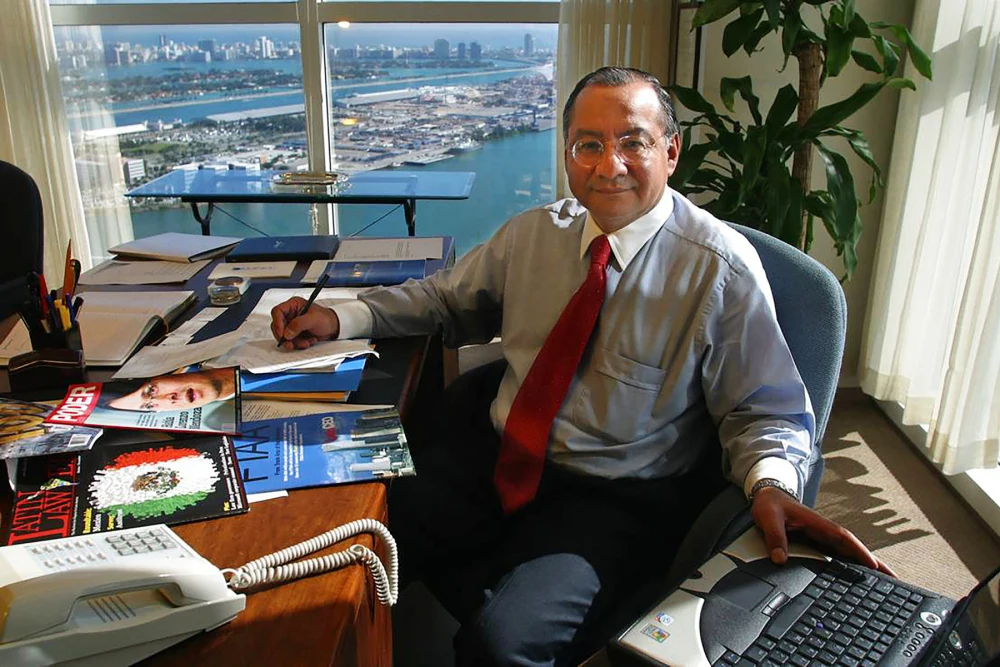
US Federal Prosecutors Seek Citizenship Revocation in Espionage Case
U.S. prosecutors have officially filed to revoke the citizenship of former diplomat Victor Manuel Rocha, arguing that his naturalization was fraudulently obtained.
Allegations Behind the Legal Filing
According to the court filing submitted in Miami federal court, authorities claim Rocha:
- Concealed political and ideological ties during his naturalization process
- Failed to disclose alleged cooperation with Cuban intelligence
- Used deception to obtain U.S. citizenship in the late 1970s
This renewed legal move is part of the ongoing Victor Manuel Rocha citizenship revocation proceedings, which prosecutors say are necessary due to national security concerns.
Government Position on the Case
Federal officials stated that individuals who obtain citizenship through deception while secretly serving foreign governments should not retain U.S. nationality, even if they are already incarcerated.
The legal argument emphasizes that citizenship obtained through fraud can be reversed under U.S. immigration law when national security is involved.
Allegations of Decades-Long Cuban Espionage Operation
At the center of the case is the claim that Rocha worked covertly for Cuban intelligence for more than 40 years.
Recruitment and Early Allegations
Prosecutors allege that:
- Rocha was recruited in 1973 while in Chile
- He began working with Cuban intelligence before becoming a U.S. citizen
- His activities continued through multiple diplomatic assignments
These claims form the foundation of the Victor Manuel Rocha citizenship revocation case, suggesting long-term infiltration of the U.S. government.
Alleged Conduct During Government Service
Rocha later held sensitive positions within the U.S. State Department, including postings in:
- Honduras
- The Dominican Republic
- Other diplomatic environments tied to U.S. foreign policy operations
Authorities claim he used these roles to gather and share information in favor of Cuban interests.
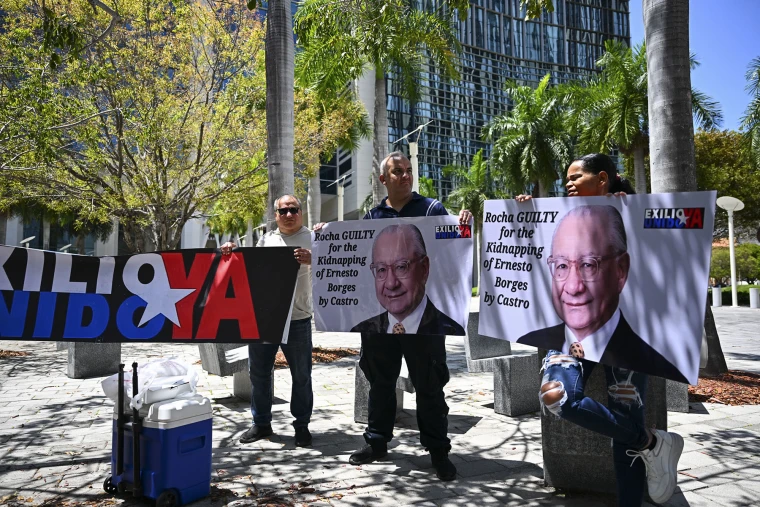
Timeline of Victor Manuel Rocha’s Diplomatic Career
The case has drawn renewed attention to Rocha’s long and complex career inside the U.S. foreign service.
Academic and Early Professional Background
Before joining the diplomatic corps, Rocha earned graduate degrees from prestigious institutions, including:
- Harvard University
- Georgetown University
Prosecutors say these credentials helped him build credibility within U.S. government circles.
Entry Into U.S. Foreign Service
Rocha joined the U.S. State Department in 1981 and quickly advanced into sensitive diplomatic roles.
Key positions included:
- Political officer roles in U.S. embassies
- Engagement in Latin American diplomatic affairs
- Exposure to strategic foreign policy discussions
These assignments are now being reexamined as part of the Victor Manuel Rocha citizenship revocation proceedings.
Evidence Presented in Court and FBI Operation
A major element of the case involves recorded interactions with an undercover FBI agent.
Recorded Conversations
According to prosecutors, between 2022 and 2023:
- Rocha met repeatedly with an undercover FBI agent
- He allegedly discussed his role in Cuban intelligence
- He referred to the United States in hostile terms
Authorities claim these recordings confirmed long-standing suspicions about his allegiance.
Statements Allegedly Made
During these meetings, Rocha reportedly:
- Referred to the U.S. as “the enemy”
- Used collective language when speaking about Cuba
- Expressed admiration for Fidel Castro
These statements strengthened the legal basis for the Victor Manuel Rocha citizenship revocation effort currently underway.
How US Citizenship Revocation Works in Legal Terms
Denaturalization, or citizenship revocation, is a rare legal process in the United States.
Legal Grounds for Denaturalization
The government can attempt to revoke citizenship if:
- It was obtained through fraud or misrepresentation
- Critical facts were concealed during the naturalization process
- The individual poses a national security threat
Civil vs Criminal Proceedings
It is important to note:
- Criminal conviction deals with punishment for illegal activity
- Citizenship revocation is a separate civil legal action
- Both can occur simultaneously, as in Rocha’s case
The Victor Manuel Rocha citizenship revocation case highlights how these legal processes can overlap in national security cases.
National Security and Diplomatic Impact
The allegations against Rocha have raised broader concerns about infiltration within government institutions.
Concerns Raised by Authorities
Officials argue the case demonstrates:
- Potential long-term intelligence penetration risks
- The importance of vetting diplomatic personnel
- Challenges in detecting covert foreign agents
Impact on U.S. Foreign Service Oversight
The case has prompted renewed discussion about:
- Security screening processes
- Background verification systems
- Monitoring of long-term foreign service employees
Broader Context of US-Cuba Espionage Tensions
Relations between the United States and Cuba have historically been marked by political tension and intelligence activity.
Historical Background
For decades, both nations have engaged in:
- Intelligence gathering operations
- Diplomatic restrictions
- Counter-espionage investigations
Modern Security Environment
The Victor Manuel Rocha citizenship revocation case adds to ongoing concerns about:
- Foreign influence operations
- Long-term undercover intelligence work
- Security vulnerabilities in diplomatic institutions
FAQ
What is the Victor Manuel Rocha citizenship revocation case about?
It refers to U.S. government efforts to revoke the citizenship of former diplomat Victor Manuel Rocha over allegations he obtained it through fraud while working for Cuban intelligence.
Why is Victor Manuel Rocha in prison?
He pleaded guilty in 2024 to acting as an illegal foreign agent and defrauding the United States, resulting in a 15-year prison sentence.
Can US citizenship be revoked after conviction?
Yes, U.S. law allows citizenship revocation if it was obtained through fraud or concealment, especially in national security cases.
What makes this espionage case significant?
It involves a former U.S. ambassador accused of secretly working for a foreign intelligence service for decades while holding sensitive government positions.
Conclusion
The ongoing Victor Manuel Rocha citizenship revocation proceedings represent one of the most high-profile espionage-related legal cases in recent U.S. history. With prosecutors seeking to strip citizenship based on alleged fraud and long-term covert activity, the case highlights how deeply national security concerns can intersect with immigration and diplomatic law.
As legal proceedings continue, the outcome is expected to further shape how the United States handles cases involving suspected foreign intelligence infiltration within its own government system.
Click here for more news