 0
0
 0
0
The Nigeria insecurity academic solutions discussion has gained renewed attention as researchers in Peace and Conflict Studies call on government authorities to integrate academic research into national security policies. The appeal comes amid ongoing concerns about persistent insecurity challenges across different parts of the country.
The call was made during a study tour in Plateau State involving over 70 Ph.D. students from Nasarawa State University, highlighting the need for stronger collaboration between academia and security institutions.

Researchers Push for Evidence-Based Security Policies
Academic experts argue that Nigeria’s security challenges require more than operational responses, emphasizing the importance of research-driven strategies.
Call for Policy Integration of Research Findings
The Nigeria insecurity academic solutions framework proposed by researchers focuses on:
- Incorporating academic research into policymaking
- Strengthening evidence-based decision-making
- Improving coordination between institutions
According to experts, bridging the gap between research and implementation could improve long-term security outcomes.
Complexity of Nigeria’s Security Situation
Researchers highlighted that insecurity in Nigeria remains:
- Multi-dimensional
- Regionally diverse
- Difficult to predict and control
They noted that despite ongoing interventions, new security threats continue to emerge in different areas.
Study Tour Aims to Strengthen Practical Understanding
The engagement was part of an academic field study designed to expose Ph.D. students to real-world security challenges.
Institutions Visited During the Tour
The delegation visited several key institutions, including:
- Plateau State Police Command
- Nigerian Army 3 Division
- Plateau State Peace Building Agency
- National Institute for Policy and Strategic Studies
- Plateau State Government House
- Bassa Local Government Area
These visits formed part of the broader Nigeria insecurity academic solutions learning approach.
Purpose of the Academic Engagement
The study tour was designed to:
- Expose students to real-life conflict environments
- Strengthen understanding of security operations
- Encourage research-based policy recommendations
Security Agencies Highlight Ongoing Efforts
Officials from security institutions shared ongoing strategies aimed at addressing insecurity in the region.
Role of the Police in Community Safety
The Commissioner of Police emphasized:
- Community policing initiatives
- Strengthened intelligence gathering
- Public cooperation in crime prevention
These efforts are part of broader national security strategies.
Military Operations and Coordination
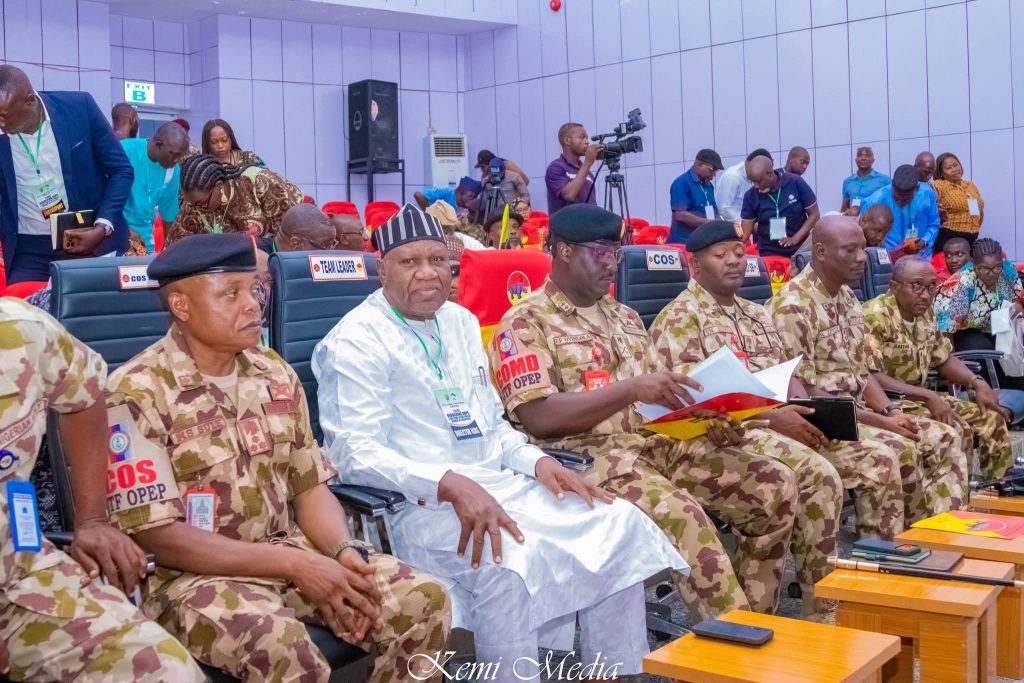
The Nigerian Army leadership highlighted:
- Continued security operations in vulnerable areas
- Cooperation with civil authorities
- Intelligence-driven tactical responses
These measures align with national efforts to stabilize affected regions.
Peacebuilding and Conflict Resolution Strategies
Peacebuilding institutions also contributed insights into long-term stability approaches.
Importance of Dialogue and Reconciliation
The Director-General of the Plateau State Peace Building Agency stressed:
- Conflict resolution through dialogue
- Community reconciliation efforts
- Long-term peacebuilding initiatives
Focus on Sustainable Stability
Experts emphasized that sustainable peace requires:
- Inclusive engagement of communities
- Preventive conflict management
- Continuous mediation efforts
Academic Perspective on National Security Challenges
Prof. Terhemba Shija, a key academic figure in the discussion, emphasized the role of higher education in shaping policy direction.
Role of Universities in Security Research
He noted that academic institutions play a critical role in:
- Generating new knowledge
- Identifying policy gaps
- Proposing practical solutions
The Nigeria insecurity academic solutions approach, according to him, is essential for bridging theory and practice.
Need for Stronger Government Collaboration
He further stressed that:
- Policymakers must engage more with research outputs
- Evidence-based strategies can improve security outcomes
- Academic contributions should inform national planning
Gaps Between Research and Policy Implementation
One of the key concerns raised is the disconnect between academic findings and government action.
Challenges Identified by Researchers
These include:
- Limited integration of research into policymaking
- Weak communication between institutions
- Underutilization of academic expertise
Potential Benefits of Improved Collaboration
Stronger cooperation could lead to:
- More effective security policies
- Better crisis response mechanisms
- Long-term reduction in insecurity levels
Role of Students in Security Discourse
Ph.D. students participating in the tour were encouraged to contribute meaningfully to national discussions.

Developing Practical Research Solutions
Students are expected to:
- Identify gaps in existing security approaches
- Develop evidence-based recommendations
- Contribute to policy innovation
Exposure to Real-World Challenges
The field experience helps students:
- Understand operational realities
- Engage directly with security agencies
- Translate theory into practical solutions
FAQs
What is the focus of Nigeria insecurity academic solutions?
It emphasizes integrating academic research into government policies to improve security strategies.
Why are researchers calling for policy changes?
They believe evidence-based research can help address Nigeria’s complex and persistent insecurity challenges.
Which institutions were involved in the study tour?
Key institutions include the police, military, peacebuilding agencies, and policy research centers in Plateau State.
How can academic research improve security in Nigeria?
It can provide data-driven insights, improve decision-making, and support more effective conflict resolution strategies.
Conclusion
The Nigeria insecurity academic solutions debate highlights the growing demand for stronger collaboration between researchers and policymakers. Experts argue that integrating academic knowledge into security planning could significantly improve Nigeria’s ability to address its complex and evolving insecurity challenges. The ongoing engagement between students, security agencies, and government institutions reflects a step toward more informed and sustainable peacebuilding efforts.
Click here for more news