 0
0
 0
0
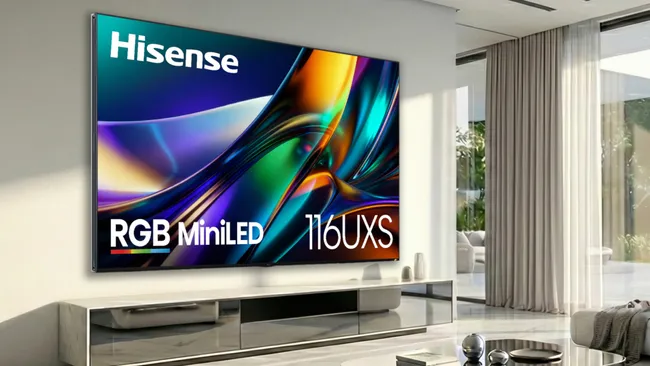
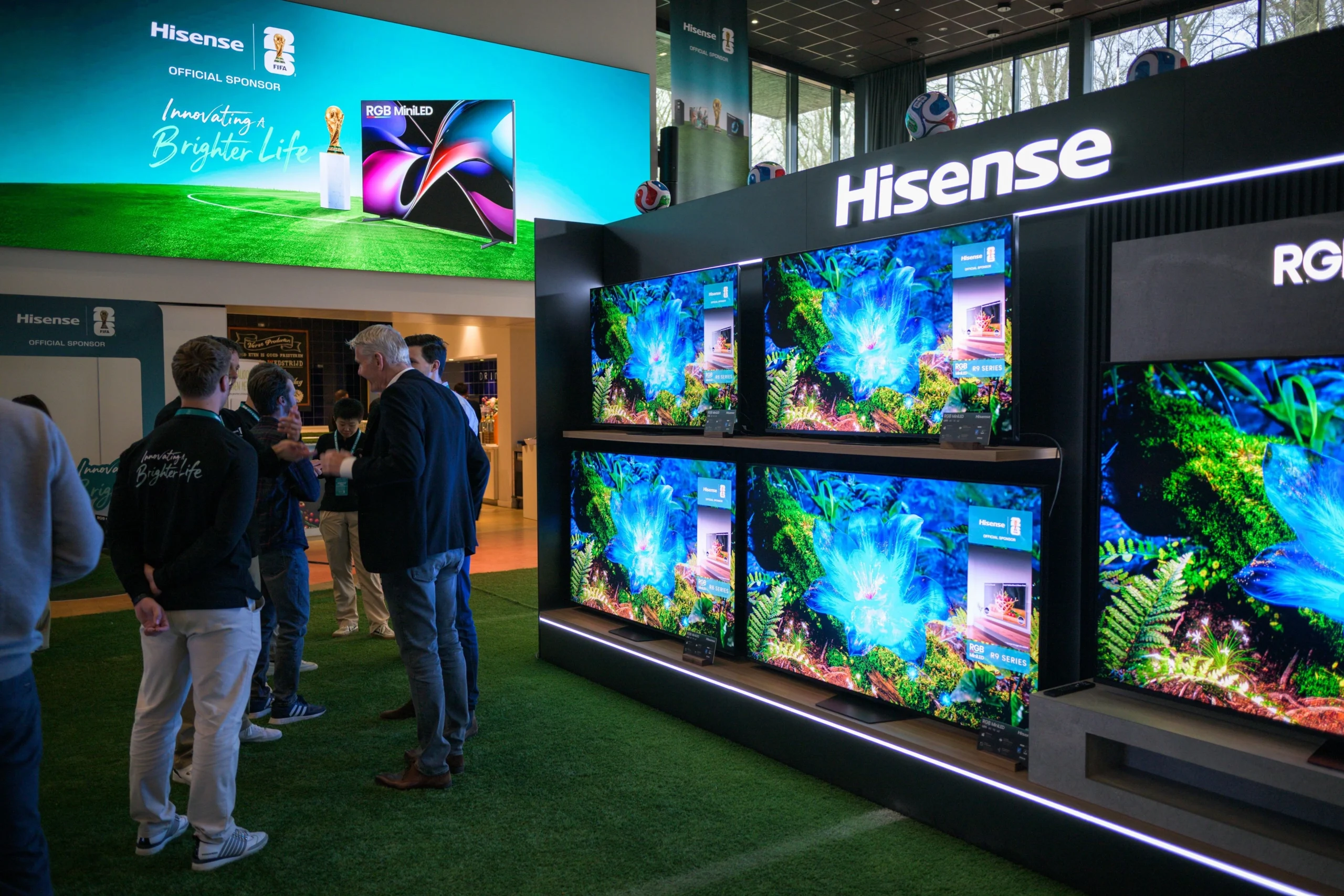
The Hisense RGB MiniLED TV features 2026 lineup is drawing attention for its advancements in display technology, offering improvements in brightness, color accuracy, and overall viewing performance. With a redesigned panel structure and enhanced processing capabilities, these televisions aim to elevate the home entertainment experience.
What Makes RGB MiniLED Technology Different
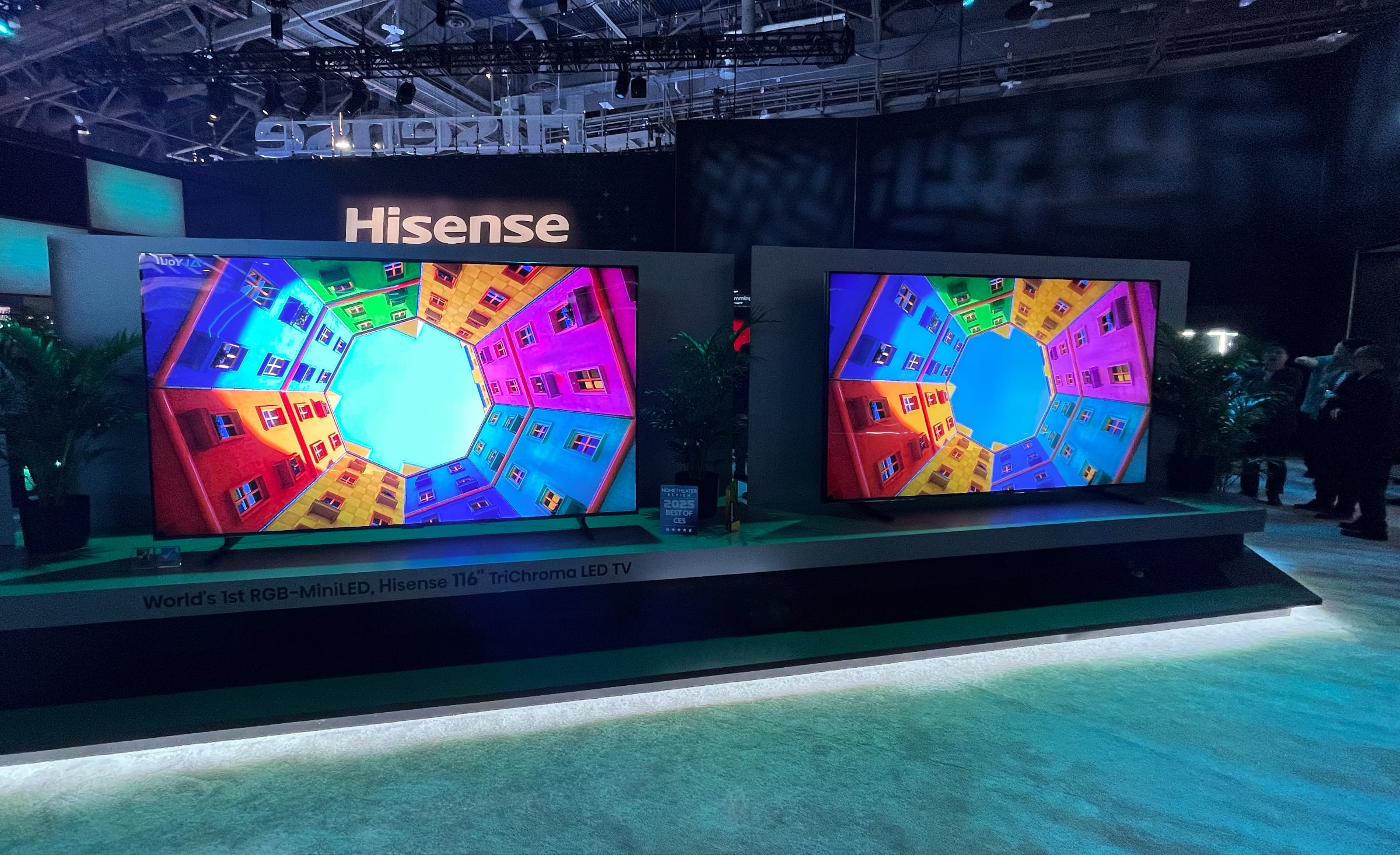
The standout aspect of the Hisense RGB MiniLED TV features 2026 models is the shift from traditional backlighting systems to a more advanced approach. Unlike standard MiniLED TVs that rely on white LEDs and color filters, this new technology uses individual red, green, and blue light sources.
How RGB MiniLED Works
Instead of filtering white light, RGB MiniLED panels generate colors directly from dedicated diodes. This means:
- Each LED produces its own color output
- Reduced reliance on external filters
- Improved efficiency in light control
This design allows for more precise color reproduction and enhanced brightness levels.
Comparison With Traditional MiniLED
Traditional MiniLED panels use white LEDs combined with color filters to create images. In contrast, RGB MiniLED technology:
- Eliminates the need for a color filter layer
- Enhances color purity
- Improves overall panel efficiency
These differences are central to the Hisense RGB MiniLED TV features 2026 improvements.
Enhanced Brightness and Contrast Performance
One of the major highlights of the Hisense RGB MiniLED TV features 2026 series is its brightness capability. These TVs are designed to perform well even in brightly lit environments.
Peak Brightness Levels
The new models can reach peak brightness levels of up to 8000 nits. This allows for:
- Clear visibility in daylight conditions
- Strong performance in rooms with ambient lighting
- Enhanced clarity for all types of content
Improved Contrast and Black Levels
With thousands of independently controlled lighting zones, the TVs deliver deeper blacks and better contrast. Each zone can adjust brightness individually, contributing to a more dynamic picture.
AI-Powered Processing for Better Image Quality
Another key feature in the Hisense RGB MiniLED TV features 2026 lineup is the integration of advanced processing technology.
Role of Hi-View AI Processors
The TVs are powered by AI-driven processors that optimize picture quality in real time. These processors help:
- Adjust brightness and contrast dynamically
- Enhance motion clarity
- Improve upscaling for lower-resolution content
Smart Optimization Features
AI enhancements also allow the TVs to adapt to different types of content, including movies, sports, and gaming. This ensures consistent performance across various viewing scenarios.
Color Accuracy and Wide Color Range
Color performance is a major focus of the Hisense RGB MiniLED TV features 2026 models.
Full BT.2020 Color Coverage
These TVs reportedly cover 100% of the BT.2020 color space, which results in:
- More vibrant colors
- Greater accuracy in color reproduction
- A wider range of visible shades
Certification and Color Standards
The displays have received verification from Pantone, indicating a high level of color accuracy. This certification highlights their ability to produce true-to-life visuals.
HDR Performance and Viewing Experience
High Dynamic Range (HDR) content benefits significantly from the improvements in brightness and contrast.
Impact on Movies and Shows
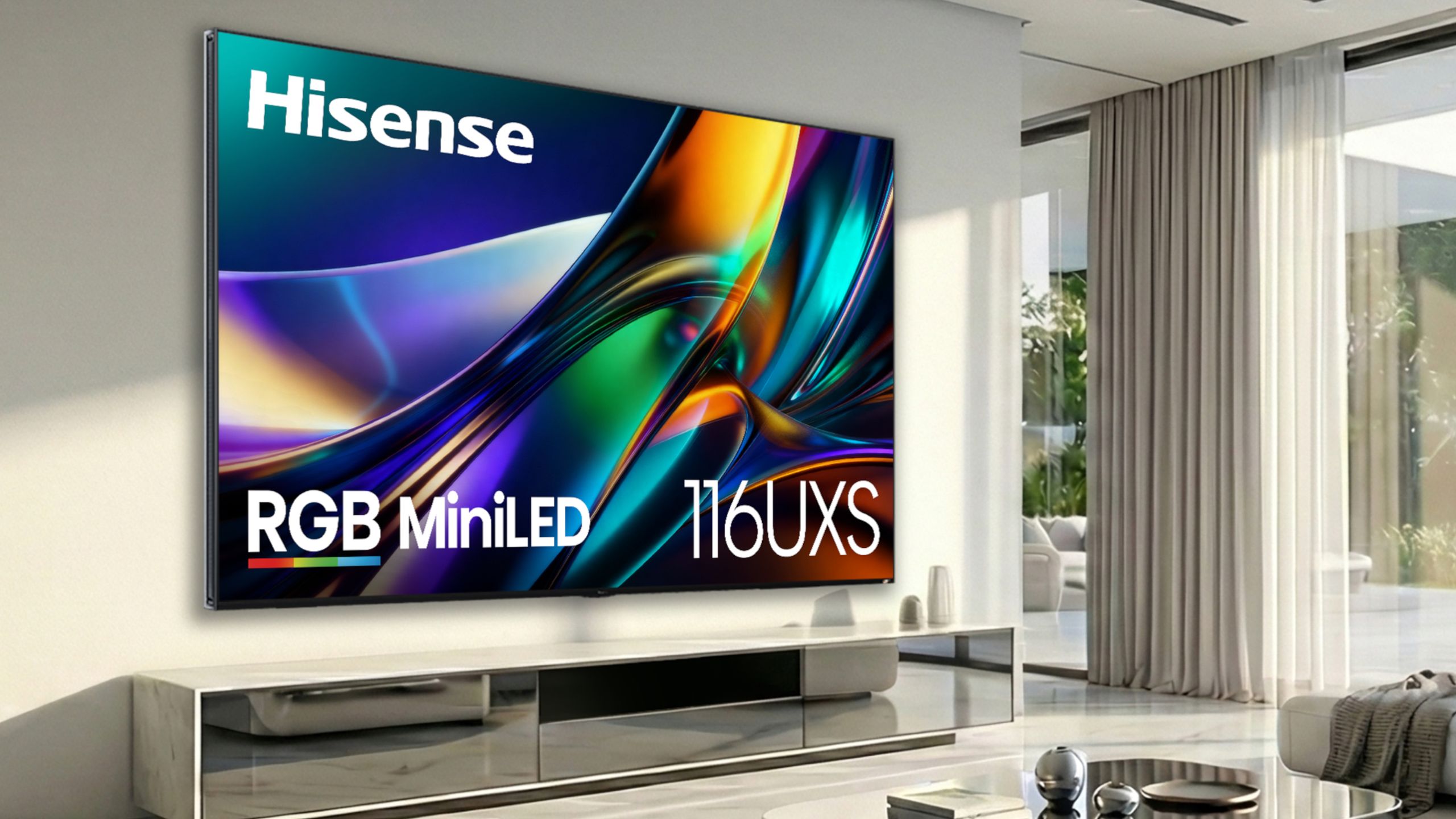
With higher brightness and better contrast, HDR content appears more detailed and immersive. Viewers can expect:
- Brighter highlights
- Deeper shadows
- Enhanced detail in both dark and bright scenes
Performance Across Content Types
The Hisense RGB MiniLED TV features 2026 range is designed to deliver consistent quality across:
- Movies and TV series
- Live sports broadcasts
- Video games
This versatility makes the TVs suitable for various entertainment needs.
Advantages Over OLED Technology
RGB MiniLED technology shares some similarities with OLED, particularly in terms of light control, but it also offers distinct advantages.
No Risk of Burn-In
Unlike OLED displays, RGB MiniLED TVs do not face the same risk of burn-in, making them more suitable for long-term use.
Pixel-Like Control
While not identical to OLED, the ability to control individual zones provides a level of precision that enhances picture quality significantly.
Design and Viewing in Bright Environments
The Hisense RGB MiniLED TV features 2026 models are also built to perform well in real-world conditions.
Handling Ambient Light
High brightness levels ensure that images remain visible even in well-lit rooms. This makes the TVs practical for daytime viewing.
Visual Impact and Screen Presence
Larger screen sizes combined with vivid colors create a more immersive viewing experience, especially in home cinema setups.
FAQ Section
What is RGB MiniLED technology in Hisense TVs?
RGB MiniLED technology uses individual red, green, and blue LEDs instead of white backlights, improving color accuracy and brightness.
How bright are Hisense RGB MiniLED TVs?
These TVs can reach peak brightness levels of up to 8000 nits, making them suitable for bright environments.
Do RGB MiniLED TVs have burn-in issues?
No, RGB MiniLED TVs do not have the same burn-in risks associated with OLED displays.
What makes these TVs different from traditional MiniLED models?
They eliminate color filters and use RGB light sources directly, resulting in better color performance and efficiency.
Conclusion
The Hisense RGB MiniLED TV features 2026 lineup represents a notable step forward in television technology. By combining advanced lighting systems, AI-powered processing, and improved color accuracy, these TVs offer a well-rounded viewing experience. While different display technologies continue to evolve, RGB MiniLED introduces a new approach that focuses on both performance and practicality for modern home entertainment.
Click here for more news