
 0
0
 0
0
The US ransomware negotiators sentenced case has drawn significant attention after two former cybersecurity professionals were given prison terms for their involvement in ransomware attacks linked to the BlackCat (ALPHV) cybercrime network. The case highlights growing concerns about insider threats within the cybersecurity and incident response industry.
The individuals involved previously worked with cybersecurity firms that specialize in ransomware response and negotiation. However, instead of protecting victims, they were found to have participated in attacks targeting multiple organizations across the United States.
Overview of the US Ransomware Negotiators Sentenced Case
The sentencing involves two former employees from well-known cybersecurity firms:
- Sygnia (incident response services)
- DigitalMint (ransomware negotiation services)

Individuals Sentenced
The court sentenced both individuals to four years in prison each after they admitted to their roles in ransomware-related crimes.
Key details include:
- Ryan Clifford Goldberg (40) – former incident response manager
- Kevin Tyler Martin (36) – former ransomware negotiator
- Both pleaded guilty in December
- Sentencing occurred after coordinated investigations
A third accomplice, Angelo Martino (41), also pleaded guilty earlier and was part of the same criminal operation.
How the BlackCat Ransomware Scheme Worked
The US ransomware negotiators sentenced case is tied directly to the BlackCat ransomware group, also known as ALPHV, which has been linked to global cyberattacks and extortion schemes.
Role in BlackCat Operations
The defendants acted as affiliates of the ransomware network between May 2023 and November 2023.
Their involvement included:
- Gaining access to BlackCat’s ransomware tools
- Sharing ransom proceeds with the group
- Participating in extortion campaigns
- Supporting network breaches across multiple victims
They reportedly paid a 20% commission to access the ransomware infrastructure.
Victim Targeting Across the United States
The attacks affected several organizations, including:
- A Maryland pharmaceutical company
- A Tampa-based medical device manufacturer
- A California engineering firm
- A Virginia drone manufacturer
- A California medical office
These targets highlight the broad reach of the ransomware operation across critical industries.
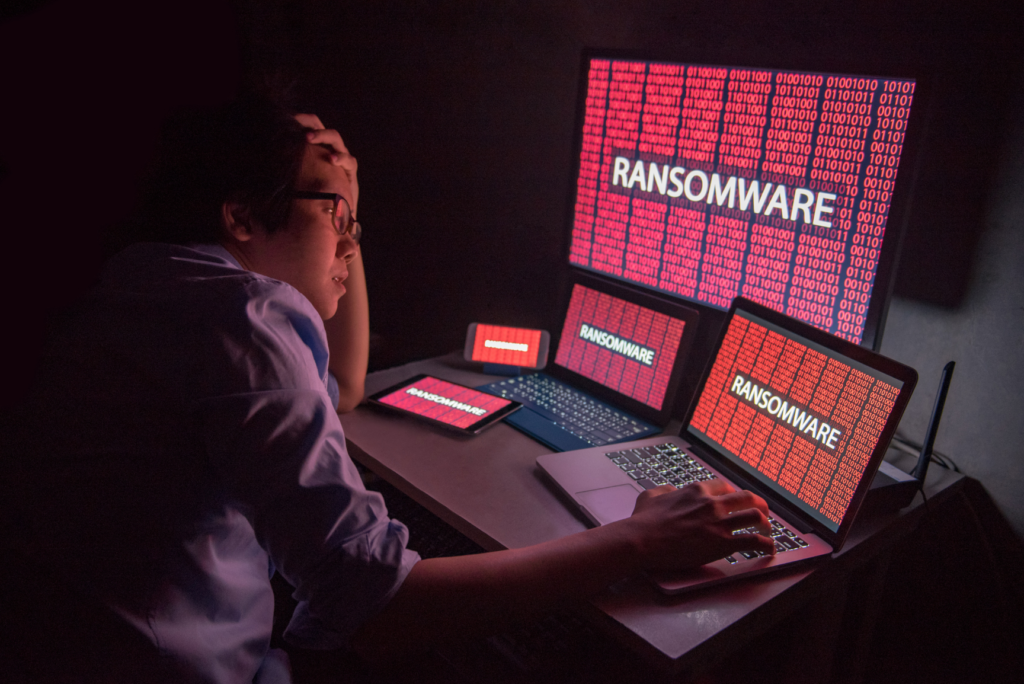
Financial Impact of BlackCat Ransom Attacks
The US ransomware negotiators sentenced case also exposed the financial damage caused by the attacks.
Million-Dollar Ransom Payments
One of the most notable cases involved a Tampa medical device company that suffered significant financial loss.
Key details:
- Initial ransom demand: $10 million
- Final payment: $1.27 million
- Systems encrypted and access blocked
- Payment reportedly laundered and split among participants
Range of Ransom Demands
Other affected organizations reportedly faced ransom demands ranging from:
- $300,000 minimum demands
- Up to $10 million in some cases
Not all cases resulted in confirmed payments, but many companies were pressured under threat of data exposure and system disruption.
Legal Charges and Court Findings
The US ransomware negotiators sentenced outcome followed formal charges issued in November, with guilty pleas entered in December.
Charges Filed
The defendants were charged with:
- Conspiracy to obstruct commerce by extortion
- Participation in ransomware-enabled cybercrime
- Illegal access and extortion-related activities
Court Statement on Criminal Conduct
U.S. authorities strongly criticized the actions, stating that the individuals misused their cybersecurity expertise for financial gain instead of protecting victims.
The court emphasized that:
- Specialized knowledge was exploited for extortion
- Critical systems were intentionally disrupted
- Sensitive business data was targeted
- Victims were pressured into ransom payments
Industry Response and Corporate Reaction
The US ransomware negotiators sentenced case also triggered responses from affected cybersecurity firms and industry leaders.
Company Reaction from DigitalMint
DigitalMint confirmed that it terminated employees involved in the case after discovering the misconduct.
Company response included:
- Immediate termination of involved staff
- Public condemnation of unethical behavior
- Cooperation with investigations
Industry Concerns
The case has raised broader concerns within cybersecurity circles about:
- Insider threats in ransomware response teams
- Trust in negotiation firms
- Ethical oversight in cyber incident handling
BlackCat (ALPHV) Ransomware Background
The US ransomware negotiators sentenced case is tied to one of the most active ransomware groups in recent years.
Scale of BlackCat Operations
According to FBI-linked assessments:
- Over 60 breaches recorded between 2021 and 2022
- Hundreds of victims globally
- More than $300 million in ransom payments collected
BlackCat (ALPHV) is known for targeting businesses and critical infrastructure using encryption and data theft tactics.
FBI Assessment
The Federal Bureau of Investigation previously warned that ransomware groups like BlackCat pose significant risks to healthcare, engineering, and manufacturing sectors due to their operational disruption capabilities.
Cybersecurity Lessons from the Case
The US ransomware negotiators sentenced case highlights several important lessons for organizations and cybersecurity professionals.
Key Takeaways
- Insider threats can be as dangerous as external hackers
- Cybersecurity firms must enforce strict ethical controls
- Ransomware negotiation requires stronger oversight
- Data protection policies must be regularly reviewed
Risk to Critical Infrastructure
Industries affected in this case included:
- Healthcare providers
- Manufacturing companies
- Engineering firms
- Pharmaceutical organizations
These sectors remain frequent targets due to their reliance on uninterrupted operations.
FAQ
Who are the US ransomware negotiators sentenced in this case?
Two former employees of Sygnia and DigitalMint were sentenced for participating in BlackCat ransomware attacks.
What is BlackCat ransomware?
BlackCat (ALPHV) is a cybercrime group that uses ransomware to encrypt systems and demand payments.
How much ransom money was involved?
One major case involved a $10 million demand, with a $1.27 million payment confirmed.
What companies were affected?
Victims included pharmaceutical, medical device, engineering, drone, and healthcare organizations in the US.
Conclusion
The US ransomware negotiators sentenced case underscores the serious risks posed by insider involvement in cybercrime operations. By misusing their technical expertise, the convicted individuals contributed to ransomware attacks that disrupted multiple organizations and caused significant financial losses. The case highlights the importance of strict ethical standards and stronger oversight within the cybersecurity industry as ransomware threats continue to evolve.
PLEASE CLICK HERE FOR MORE NEWS