 0
0
 0
0
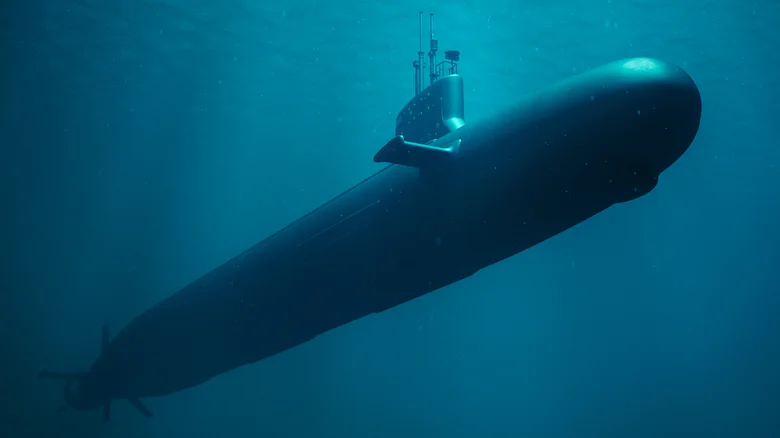
Quantum breakthrough submarine stealth detection is rapidly emerging as a game-changing development that could redefine how submarines operate and how naval forces detect hidden threats beneath the ocean surface.
Why Submarine Stealth Has Been So Effective
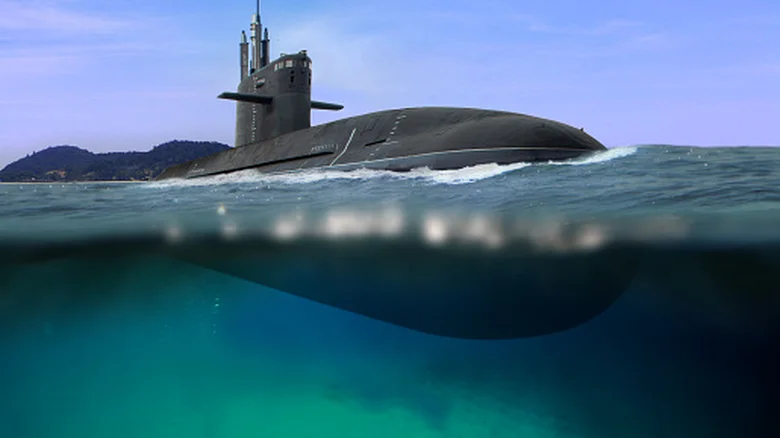
For decades, submarines have relied on stealth as their primary defense. Operating deep underwater allows them to avoid detection and carry out missions without being seen.
Traditional detection systems have struggled to keep up with modern submarine technology.
Common Detection Methods
Navies typically rely on:
- Active sonar, which sends sound waves and listens for echoes
- Passive sonar, which detects noise made by submarines
- Visual tracking of surface disturbances
These methods are limited because submarines are designed to:
- Operate quietly
- Absorb sonar signals
- Avoid surface exposure
Quantum Technology Is Changing the Game
The quantum breakthrough submarine stealth detection introduces a completely different approach based on physics rather than sound or visibility.
Instead of listening or looking, quantum systems detect invisible disturbances in the environment.
What Makes Quantum Detection Unique
Quantum systems can identify:
- Tiny changes in Earth’s magnetic field
- Slight gravitational shifts caused by large objects
- Hidden movement beneath water without noise
This allows detection even when submarines are silent and invisible.
Key Technologies Behind the Breakthrough
Several advanced tools are driving the quantum breakthrough submarine stealth detection forward.
Quantum Magnetometers
Quantum magnetometers detect extremely weak magnetic signals produced by metal objects like submarines.
They work by:
- Measuring atomic spin changes
- Using lasers to track tiny magnetic variations
- Detecting signals far weaker than traditional sensors
These devices can identify disturbances that older systems would miss.
Superconducting Quantum Interference Devices (SQUIDs)
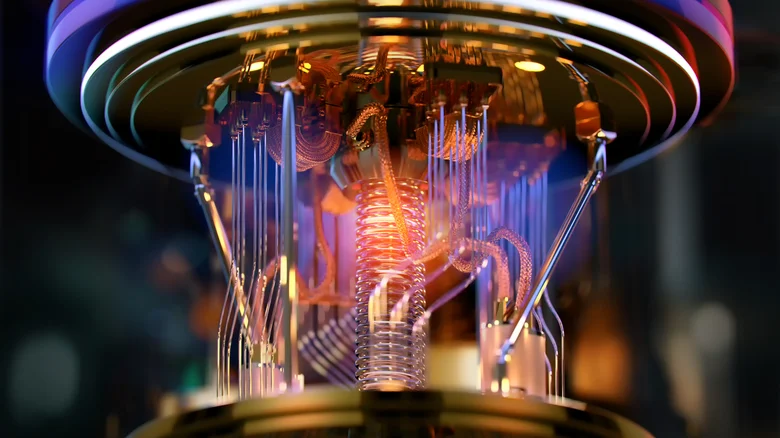
SQUIDs are ultra-sensitive instruments that detect magnetic interference.
Key features include:
- Supercooled conductive loops
- Extremely low electrical resistance
- Ability to detect faint magnetic “signatures”
They are among the most precise sensing tools available today.
Quantum Gravimeters
Quantum gravimeters measure tiny changes in gravity.
They function by:
- Cooling atoms to near absolute zero
- Using laser pulses to split atomic waves
- Measuring interference patterns
This allows detection of large underwater objects by analyzing how they affect gravitational forces.
Global Race to Develop Quantum Detection
The quantum breakthrough submarine stealth detection is also fueling competition among major global powers.
Military Advancements
Countries are investing in:
- Drone-mounted quantum sensors
- Portable detection systems
- Advanced atomic sensing technologies
These innovations aim to overcome limitations of traditional detection methods.
Overcoming Environmental Challenges
In some regions, especially low-latitude waters:
- Magnetic fields behave differently
- Traditional detection methods become less effective
- Blind spots can occur
New quantum systems are designed to work even in these challenging environments.
What This Means for Submarine Warfare
The quantum breakthrough submarine stealth detection could significantly impact naval strategy worldwide.
Possible Changes in Submarine Design
To stay hidden, submarines may need to:
- Reduce magnetic signatures
- Use advanced stealth materials
- Adopt new movement strategies
New Defense Tactics
Navies may also develop:
- Signal jamming technologies
- Decoy systems to confuse sensors
- Drone swarms to mask real movements
Limitations of Quantum Detection Technology
Despite its promise, the technology is still developing and not yet fully deployed.
Current Challenges
- Many systems are still experimental
- High cost of production and maintenance
- Need for extreme conditions like ultra-low temperatures
Future Potential
As research progresses, these systems are expected to become more efficient, affordable, and widely used.
Why This Breakthrough Matters Globally
The quantum breakthrough submarine stealth detection is not just a technological advancement but a shift in how security and surveillance are approached.
Broader Impact
- Could reshape naval power balance
- Improve early threat detection systems
- Influence future military investments
It also highlights how quantum science is moving from theory into real-world applications.
FAQ
What is quantum breakthrough submarine stealth detection?
It refers to new technologies that use quantum physics to detect submarines through magnetic and gravitational disturbances.
How do quantum sensors detect submarines?
They measure extremely small changes in magnetic fields and gravity caused by large underwater objects.
Will submarines become obsolete?
No, but they may need to adapt with new technologies to remain undetectable.
When will this technology be used widely?
Most systems are still in development, but adoption is expected as the technology matures.
Conclusion
The quantum breakthrough submarine stealth detection represents a major shift in naval technology. While submarines have long relied on stealth for survival, advances in quantum sensing may redefine what it means to remain hidden underwater. As this technology develops, it could reshape both military strategy and global security dynamics.
PLEASE CLICK HERE FOR MORE NEWS