 0
0
 0
0
The Russia state of non-peace analysis has gained attention following remarks by Norwegian author and journalist Åsne Seierstad, who described modern Russia as existing in a condition she calls “non-peace.”
Speaking in a recent interview, Seierstad explained that while the term “war” may be restricted or avoided in official language, the effects of conflict are increasingly visible across the country, particularly outside major urban centers.

Understanding the Concept of “Non-Peace”
At the core of the Russia state of non-peace analysisis the Norwegian term “Ufred,” which translates roughly to “non-peace.” According to Seierstad, this concept captures a unique state where a country is not officially at peace, yet does not openly acknowledge war.
What “Non-Peace” Means
- A situation where war is not formally declared
- Conflict exists but is not openly discussed
- Daily life continues normally in some areas
- Signs of war are visible in other parts of the country
Seierstad argues that this term better reflects the current reality than traditional definitions of peace or war.
Contrast Between Urban Life and Rural Impact
One of the central themes in the Russia state of non-peace analysis is the contrast between life in major cities and rural regions.
Life in Major Cities
In cities like Moscow:
- Restaurants and public spaces remain active
- Daily routines appear largely unaffected
- Public discussion of war is limited
Reality in Smaller Communities
In contrast, rural areas show more visible effects:
- Increasing number of graveyards
- Communities directly affected by casualties
- Greater awareness of conflict consequences
This divide highlights how the impact of conflict is unevenly distributed across the country.
Insights from Recent Travels and Research
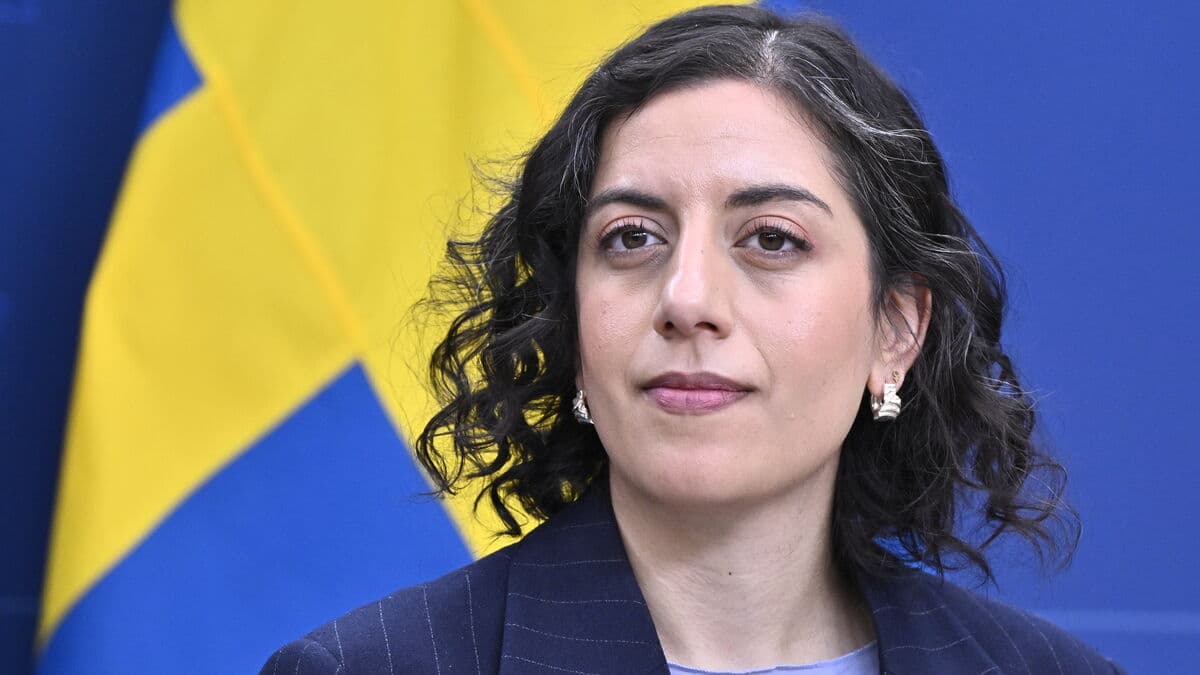
Seierstad’s Russia state of non-peace analysis is based on extensive field research and travel, including visits to regions outside major cities.
Key Areas of Focus
- Observations of local communities
- Interviews with families affected by conflict
- Examination of social and cultural patterns
Her work aims to provide a deeper understanding of how conflict shapes everyday life beyond official narratives.
Exploring the Roots of Violence
Another important aspect of the Russia state of non-peace analysis is the exploration of violence within both society and state structures.
Cycle of Violence
Seierstad highlights:
- Links between domestic violence and military culture
- Early-life experiences shaping individuals’ paths
- Reinforcement of aggressive behavior through institutions
Case Studies
During her research, she examined the background of individuals connected to military groups, including those associated with the Wagner Group.
These insights aim to explain how cycles of violence can persist across generations.
Encounters with Key Figures
Seierstad’s long career has included meetings with influential figures connected to Russia’s political and military history.
Notable Interactions
- Dzhokhar Dudayev during the 1990s
- Ramzan Kadyrov in later years
These experiences have contributed to her broader understanding of leadership, conflict, and power dynamics in the region.
The Role of Media and Public Perception
The Russia state of non-peace analysis also addresses how information is presented and perceived within the country.
Information Environment
- Limited use of the term “war” in official discourse
- Controlled narratives in media
- Reduced public debate on military actions
Public Awareness
Seierstad suggests that:
- Some citizens are aware but disengaged
- Others rely on official narratives
- A gap exists between perception and reality
Generational Change and Future Outlook
A key question raised in the Russia state of non-peace analysis is whether future generations can shift the current trajectory.
Challenges Facing Change
- Long-standing cultural and political structures
- Influence of propaganda
- Social conditioning and acceptance
Potential for Transformation
Despite these challenges, there is cautious discussion about:
- Increased access to global information
- Younger generations questioning narratives
- Possibility of gradual societal change

Broader Context of the Analysis
The concept of “non-peace” provides a framework for understanding modern conflicts that do not fit traditional definitions.
Why the Concept Matters
- Reflects hybrid or undeclared conflict situations
- Helps explain contradictions in daily life
- Offers a lens for analyzing similar global scenarios
The Russia state of non-peace analysis contributes to ongoing discussions about how modern conflicts are experienced and understood.
FAQ – Russia State of Non-Peace Analysis
What does “non-peace” mean in Russia’s context?
It refers to a situation where war is not officially declared but its effects are present and growing in society.
Who is Åsne Seierstad?
She is a Norwegian author and journalist known for her in-depth reporting on conflict zones and global issues.
Why is the term “war” avoided in Russia?
Official narratives often limit the use of the term, shaping how the situation is publicly discussed.
What is the main message of this analysis?
It highlights the contrast between normal daily life in cities and the visible human cost of conflict in rural areas.
Conclusion
The Russia state of non-peace analysis offers a nuanced perspective on how conflict can exist without formal acknowledgment. By examining the divide between urban normalcy and rural impact, as well as the cultural and social factors involved, the concept provides insight into the complexities of modern geopolitical realities.
Click here for more news