 0
0
 0
0
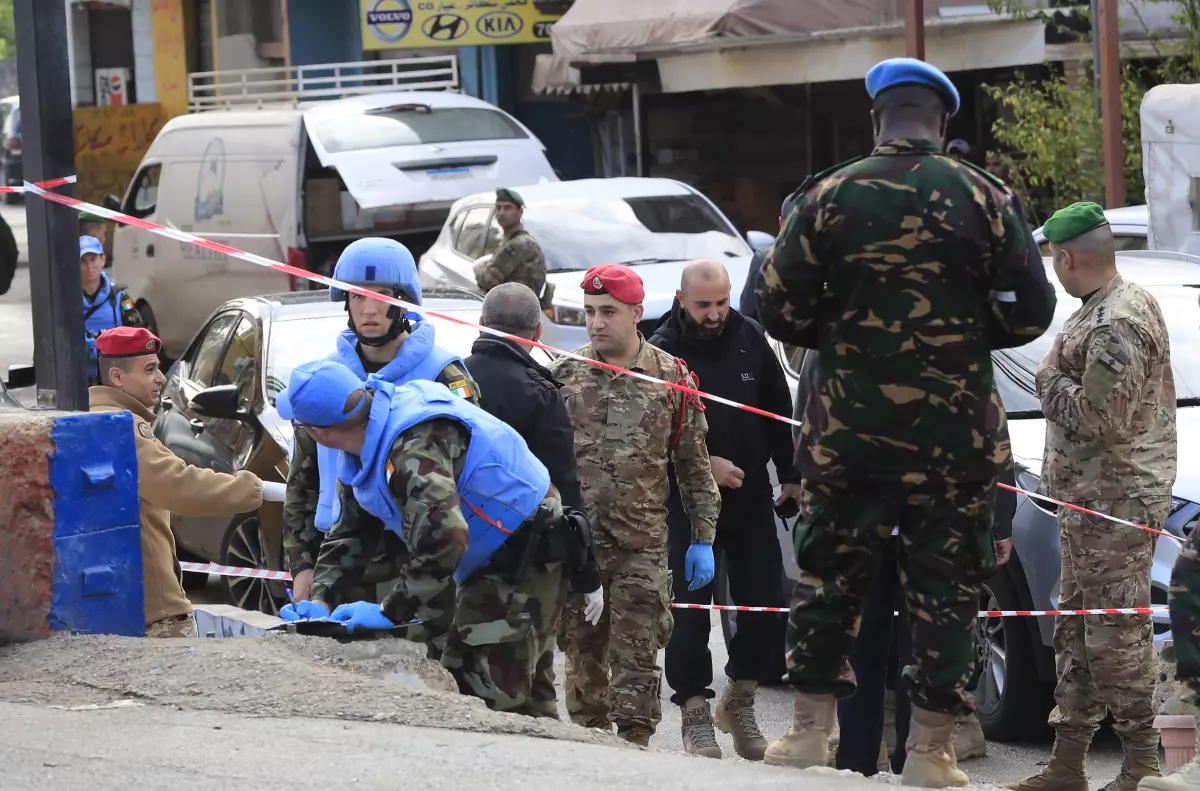
The UN peacekeeper dies Lebanon attack incident has drawn renewed international attention to the risks faced by United Nations personnel deployed in conflict zones. The United Nations Interim Force in Lebanon confirmed that an Indonesian peacekeeper has died after sustaining injuries in a previous attack on his base.
The development adds to ongoing concerns about security conditions in southern Lebanon, where peacekeeping operations continue amid regional instability.
Overview of the UN Peacekeeper Death in Lebanon
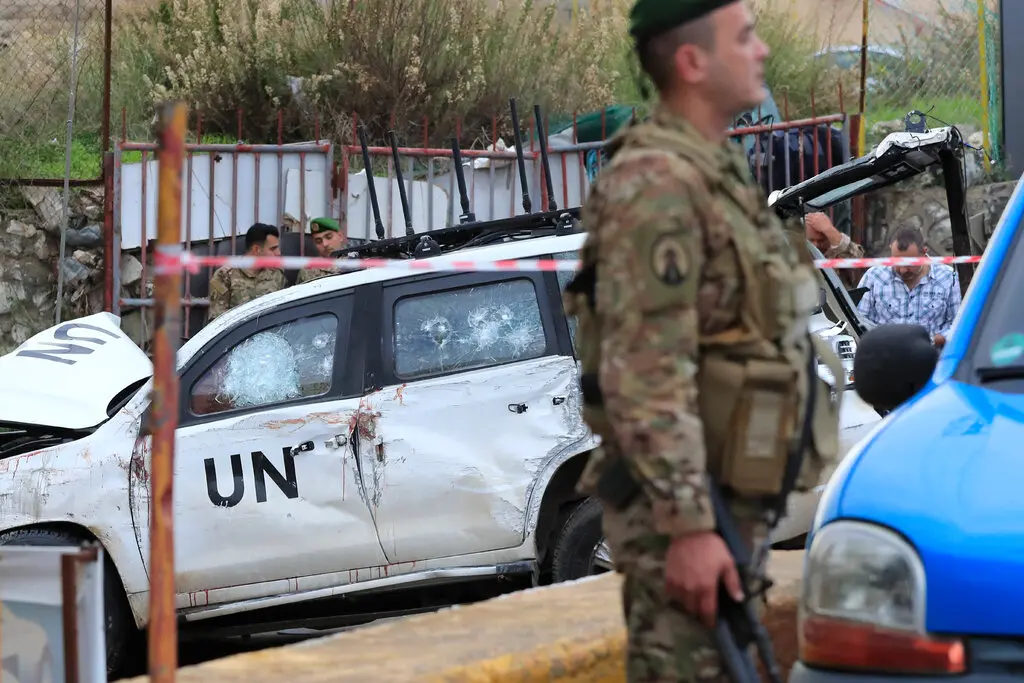
The UN peacekeeper dies Lebanon attack report centers on an incident involving a United Nations peacekeeping base that was attacked in late March 2026. The injured peacekeeper later succumbed to his wounds after being treated for several weeks.
The United Nations Interim Force in Lebanon (UNIFIL) confirmed the death and expressed condolences to the peacekeeper’s home country.
Background of the Incident
The attack reportedly occurred on March 29, 2026, targeting a UN base in southern Lebanon.
Key Details of the Incident
- A UN peacekeeping base was struck during the attack
- Multiple personnel were affected
- One Indonesian peacekeeper sustained critical injuries
- The peacekeeper later died from those injuries
UN Mission Response
Following the incident, UNIFIL stated that:
- The attack endangered peacekeeping personnel
- Medical efforts were made to stabilize the injured soldier
- The situation reflects ongoing security risks in the region
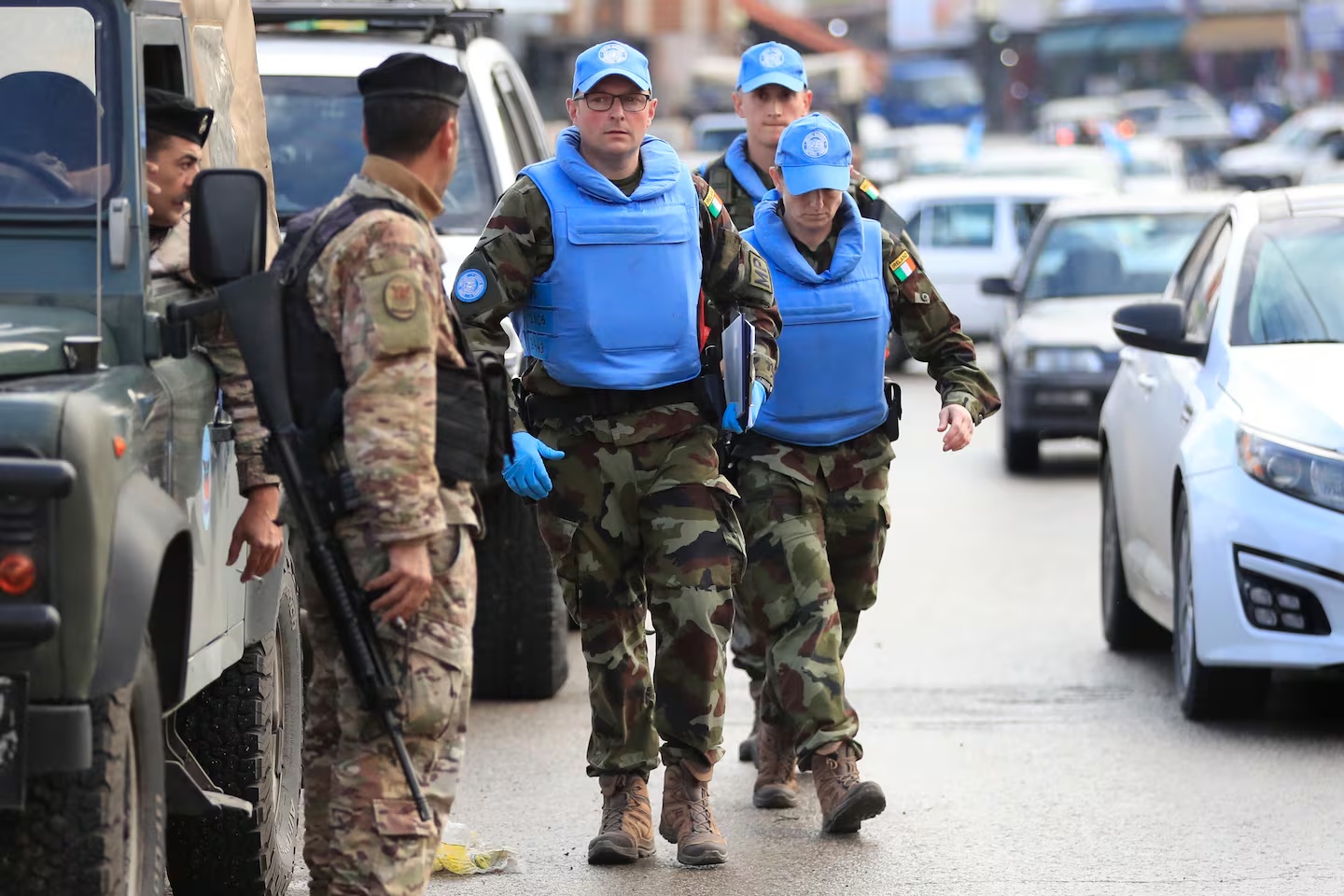
Role of UN Peacekeepers in Lebanon
The UN peacekeeper dies Lebanon attack case highlights the broader role of UN peacekeeping forces in the region.
UNIFIL has been operating in Lebanon for decades, primarily focusing on maintaining peace and stability along the southern border.
Mandate of UNIFIL
The mission is responsible for:
- Monitoring cessation of hostilities
- Supporting Lebanese armed forces
- Ensuring humanitarian access in conflict areas
Operational Challenges
Peacekeepers in Lebanon often face:
- Unstable security environments
- Risk of cross-border tensions
- Limited control over escalating conflicts
Regional Security Situation in Southern Lebanon
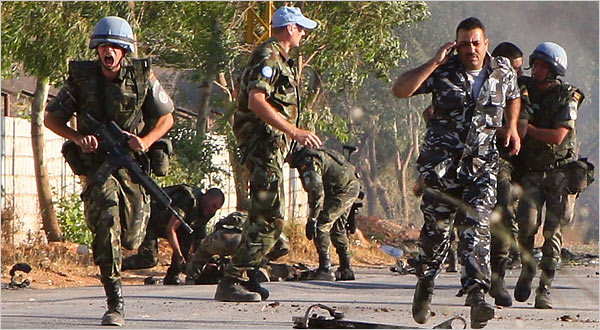
The UN peacekeeper dies Lebanon attack incident occurred in a region that has experienced recurring tensions and military activity.
Ongoing Instability
Southern Lebanon has seen:
- Periodic military strikes
- Cross-border security incidents
- Heightened political tensions
Impact on Peacekeeping Operations
These conditions have led to:
- Increased operational risk for UN personnel
- Disruption of routine patrol activities
- Greater reliance on defensive positioning
International Reactions to the Incident
The UN peacekeeper dies Lebanon attack case has prompted responses from international leaders and organizations.
Calls for Stability
Global leaders have emphasized the need for:
- Reduced military escalation in the region
- Protection of peacekeeping personnel
- Strengthened diplomatic engagement
European Union Position
During discussions at a European summit in Cyprus, calls were made to:
- Increase efforts toward regional stability
- Support diplomatic solutions in the Middle East
- Reinforce international cooperation
Importance of Peacekeeping Missions
The UN peacekeeper dies Lebanon attack highlights the importance of peacekeeping operations in conflict zones.
Key Contributions of Peacekeepers
UN missions provide:
- Civilian protection in conflict areas
- Monitoring of ceasefire agreements
- Support for humanitarian operations
Risks Faced by Personnel
Peacekeepers often operate under dangerous conditions, including:
- Exposure to armed conflict zones
- Limited defensive capabilities
- Unpredictable security threats
Challenges Facing UN Operations in Lebanon
The UN peacekeeper dies Lebanon attack incident reflects broader operational difficulties.
Security Limitations
UN forces face challenges such as:
- Restricted mobility in conflict areas
- Dependence on host nation cooperation
- Limited enforcement authority
Political and Military Complexity
The region’s complexity includes:
- Multiple armed actors
- Ongoing geopolitical tensions
- Fragile ceasefire arrangements
Humanitarian and Diplomatic Implications
The death of a UN peacekeeper carries both humanitarian and diplomatic consequences.
Humanitarian Concerns
Key concerns include:
- Safety of international personnel
- Protection of civilians in conflict zones
- Access to humanitarian aid
Diplomatic Pressure
The incident increases pressure on:
- Regional governments
- International organizations
- Peace negotiation frameworks
Role of Indonesia in UN Peacekeeping
The UN peacekeeper dies Lebanon attack case also highlights Indonesia’s contribution to global peacekeeping efforts.
Indonesia’s Participation
Indonesia is one of the active contributors to UN peace missions, providing personnel to various operations worldwide.
Peacekeeping Contributions
Indonesian peacekeepers are involved in:
- Security monitoring missions
- Humanitarian support operations
- Conflict stabilization efforts
Broader Middle East Stability Concerns
The UN peacekeeper dies Lebanon attack incident is part of wider concerns about stability in the Middle East.
Regional Risk Factors
Key issues include:
- Ongoing military tensions
- Fragile ceasefire agreements
- Cross-border security incidents
International Security Impact
Instability in the region affects:
- Global energy markets
- Humanitarian aid delivery
- International diplomatic relations
FAQ
What happened in the UN peacekeeper dies Lebanon attack incident?
A UN peacekeeper was injured in a March attack on a base in Lebanon and later died from his injuries.
What is UNIFIL’s role in Lebanon?
UNIFIL monitors peace, supports Lebanese forces, and helps maintain stability in southern Lebanon.
Why are UN peacekeepers deployed in Lebanon?
They are deployed to help maintain peace and reduce tensions along the southern border region.
What are the risks faced by UN peacekeepers?
They face risks such as exposure to conflict zones, military strikes, and unstable security conditions.
Conclusion
The UN peacekeeper dies Lebanon attack incident underscores the continuing risks faced by international peacekeeping forces in volatile regions. It highlights the challenges of maintaining stability in southern Lebanon and reinforces ongoing calls for stronger diplomatic efforts and protection of humanitarian personnel. The situation remains a reminder of the fragile nature of peace operations in conflict-affected areas.
Click here for more news