
 0
0
 0
0
The John Phelan resignation Pentagon dispute has triggered widespread attention after the US Navy Secretary abruptly stepped down following internal disagreements over a controversial battleship program and broader defense strategy shifts.
Sudden Exit of US Navy Secretary John Phelan
The John Phelan resignation Pentagon dispute became public after the Navy Secretary left his position abruptly, just over a year into his tenure. His departure was confirmed without a detailed explanation from the Department of Defense, raising questions about internal tensions within senior military leadership.
Phelan’s exit came during a period of ongoing restructuring within the Pentagon, with multiple departments adjusting leadership roles and defense priorities.

Timeline of Events Leading to Resignation
Key developments surrounding the resignation include:
- Tenure lasted just over one year
- Departure announced on April 23, 2026
- Public appearances continued shortly before announcement
- No formal reason provided at the time of exit
Early Signs of Internal Tension
Reports suggest that disagreements had been building for months. The John Phelan resignation Pentagon dispute reportedly escalated as policy differences became more visible between Navy leadership and top Pentagon officials.
Battleship Program at the Center of Dispute
A major factor in the John Phelan resignation Pentagon dispute was his support for a new class of battleships, informally linked to a “Trump Class” initiative.
Controversial Naval Expansion Plan
The proposed battleships were intended to modernize naval power but faced criticism due to:
- Extremely high development costs
- Long construction timelines
- Concerns about strategic relevance
Defense officials reportedly argued that the program did not align with modern warfare needs.
Shift Toward Smaller Naval Systems
Pentagon leadership has been prioritizing:
- Smaller, faster vessels
- Unmanned naval systems
- Cost-efficient fleet modernization
This strategic shift directly conflicted with Phelan’s battleship vision, intensifying the John Phelan resignation Pentagon dispute.

Internal Pentagon Leadership Conflicts
The resignation also reflects deeper tensions within the Pentagon’s leadership structure.
Disagreements With Senior Defense Officials
Phelan reportedly faced friction with top defense leaders over:
- Budget allocation priorities
- Long-term naval planning strategy
- Fleet modernization direction
These disagreements became a central element of the John Phelan resignation Pentagon dispute.
Concerns Over Strategic Alignment
Some officials believed his approach was not aligned with broader defense transformation goals, particularly the shift toward agile and technology-driven naval forces.
Reduction of Responsibilities Before Departure
In the months leading up to his resignation, Phelan reportedly saw several of his key responsibilities reassigned.
Key Operational Changes
Reported adjustments included:
- Submarine program oversight moved elsewhere
- Shipbuilding authority reduced
- Budget influence limited
Impact on Leadership Authority
These changes significantly reduced his operational control, contributing further to the John Phelan resignation Pentagon dispute and weakening his position within the Navy leadership structure.
Shipbuilding Challenges and Strategic Pressure
The US Navy has been under pressure to resolve long-standing shipbuilding challenges, which formed part of the background to this situation.
Ongoing Naval Construction Issues
The Navy has faced:
- Delays in ship production
- Rising construction costs
- Maintenance backlogs
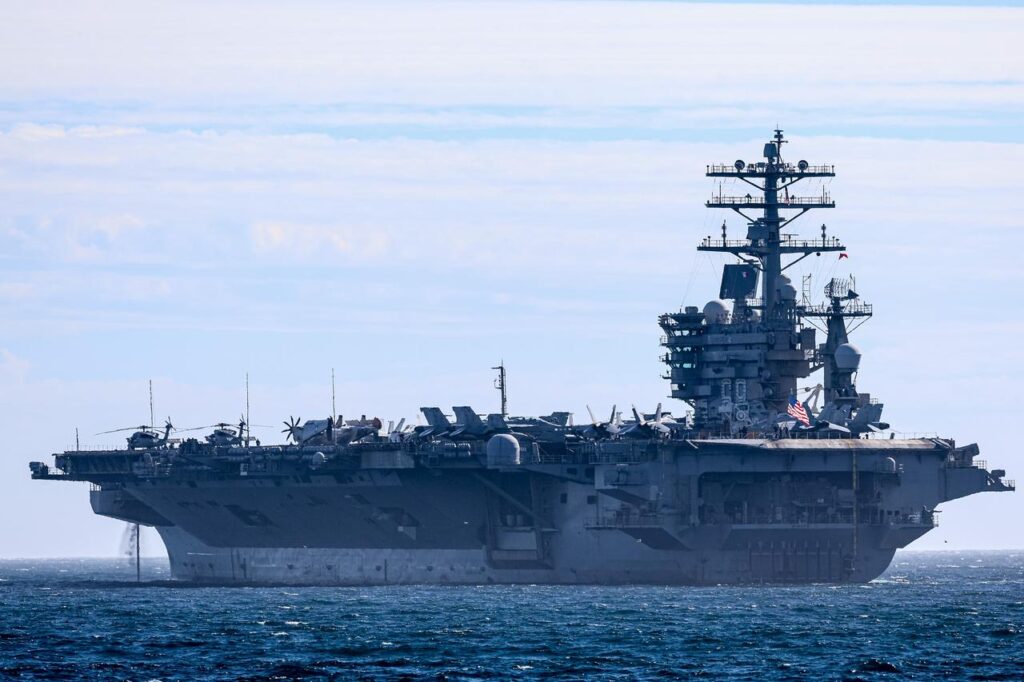
Cancellation of Previous Programs
Before his departure, Phelan oversaw the cancellation of the Constellation-class frigate program, a move intended to streamline naval procurement but which also added to internal disagreements.
Leadership Changes Within the Navy
The resignation is part of broader leadership changes affecting the US military structure.
Acting Replacement Appointment
Following Phelan’s departure:
- The Navy’s second-ranking civilian official assumed acting leadership
- Transition ensured operational continuity
- No immediate permanent replacement announced
Broader Military Adjustments
The John Phelan resignation Pentagon dispute occurred alongside other personnel shifts within defense leadership, reflecting ongoing restructuring efforts.
Strategic Context and Defense Budget Plans
The resignation also comes at a time when the Pentagon is preparing major budget decisions.
Upcoming Defense Spending Plans
A proposed $1.5 trillion defense budget includes:
- Increased naval funding
- Expansion of fleet capabilities
- Investment in advanced maritime technology
Competing Strategic Visions
The central tension behind the John Phelan resignation Pentagon dispute reflects two competing visions:
- Large, traditional battleship fleets
- Smaller, advanced unmanned systems
Broader Political and Military Environment
The resignation occurred during a period of heightened military activity and administrative restructuring.
Increased Leadership Turnover
Recent months have seen:
- Multiple senior-level resignations
- Leadership reshuffles across defense departments
- Policy realignments within military branches
Ongoing Institutional Changes
These developments suggest a wider transformation within defense leadership structures beyond the John Phelan resignation Pentagon dispute itself.
FAQ Section
Why did John Phelan resign from the US Navy?
The resignation is linked to internal Pentagon disagreements, particularly over a controversial battleship program and strategic differences.
What was the battleship dispute about?
It centered on a proposed high-cost battleship program opposed by Pentagon leaders who favored smaller, unmanned naval systems.
Who replaced John Phelan after his resignation?
The Navy’s second-ranking civilian official took over as acting secretary following his departure.
How long did John Phelan serve as Navy Secretary?
He served for just over one year before stepping down.
Conclusion
The John Phelan resignation Pentagon dispute highlights growing tensions within US defense leadership over strategy, modernization, and budget priorities. While operations continue under interim leadership, the situation reflects deeper debates about the future direction of the US Navy and its long-term planning approach.
PLEASE CLICK HERE FOR MORE NEWS