 0
0
 0
0
The Pentagon ends flu vaccine mandate policy marks a major shift in US military health requirements, as the Department of Defense has made influenza vaccinations voluntary for service members and civilian staff.
The change applies immediately to active-duty personnel, reservists, and Defense Department employees, ending a long-standing requirement designed to prevent the spread of seasonal illness within military environments.
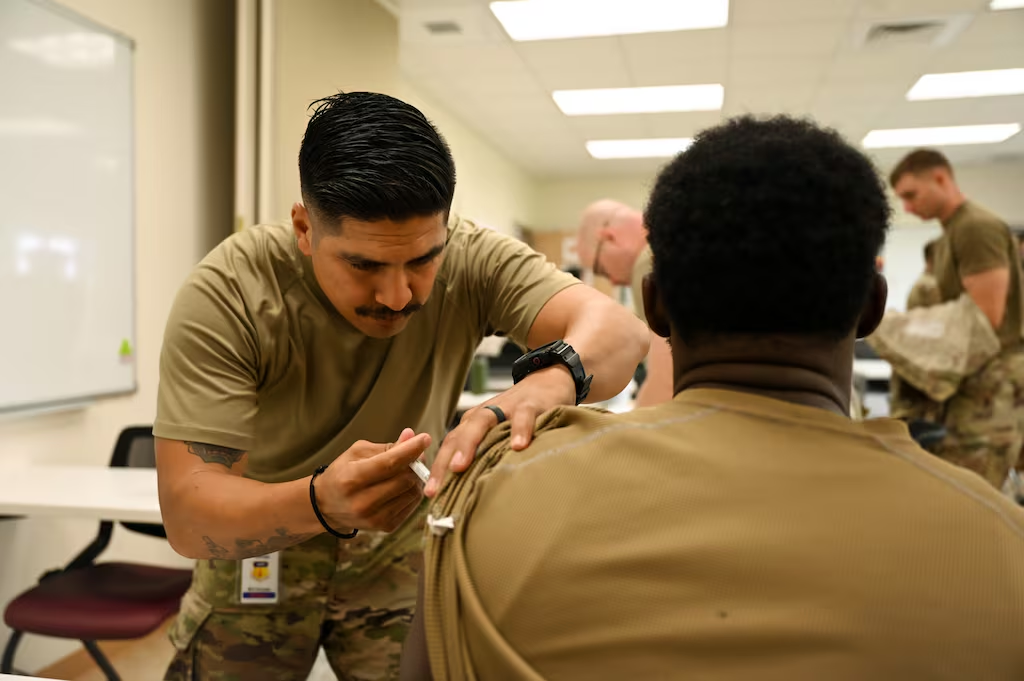
New Policy Makes Flu Vaccine Voluntary
The updated policy removes the blanket requirement that previously applied across all branches of the military.
Key Changes Introduced
Under the new directive:
- Flu vaccination is no longer mandatory
- Applies to active-duty and reserve forces
- Includes civilian staff within the Defense Department
- Effective immediately across all units
This development reflects a broader policy shift within the Pentagon ends flu vaccine mandate decision.
Defense Leadership Explains Policy Shift
Defense Secretary Pete Hegseth announced the decision and provided reasons behind the change.
Core Justification
According to the announcement:
- Mandatory vaccination was considered too broad
- A one-size-fits-all approach was viewed as impractical
- The new policy prioritizes flexibility
Official Remarks
Hegseth stated that requiring flu vaccines in all situations was:
- Not appropriate in every circumstance
- An overly generalized policy
- In need of adjustment to reflect real-world conditions
The Pentagon ends flu vaccine mandate reflects a change toward more targeted health decisions.
Immediate Impact Across Military and Civilian Staff
The policy affects a wide range of personnel within the US defense system.
Who Is Affected
The voluntary policy applies to:
- Active-duty military personnel
- Reserve forces
- Department of Defense civilian employees
Implementation
- The change is already in effect
- No transition period was announced
- Commands may provide updated guidance as needed
Background: Military Vaccination Requirements
Vaccination has long been part of military readiness strategies.
Previous Flu Vaccine Policy
Before the change:
- Annual flu shots were mandatory
- The goal was to prevent outbreaks in close quarters
- Compliance was required across all service branches
Importance of Vaccination in Military Settings
Vaccines have traditionally helped:
- Maintain troop readiness
- Reduce illness during deployments
- Protect personnel in shared environments
The Pentagon ends flu vaccine mandate represents a departure from this long-standing approach.
Link to Broader Vaccine Policy Changes
The flu vaccine decision is part of wider adjustments to military health policies.
COVID-19 Vaccine Mandate History
Previously:
- COVID-19 vaccines were required for service members
- Some personnel were discharged for non-compliance
- Congress later repealed the mandate
Reinstatement Measures
Recent policy updates include:
- Reinstating discharged service members
- Recognizing religious and medical exemptions
- Expanding personal choice in healthcare decisions
Emphasis on Personal Choice and Autonomy
The new policy highlights a shift toward individual decision-making.
Policy Direction
Officials emphasized:
- Respect for personal beliefs
- Greater medical autonomy
- Flexibility in health-related decisions
Broader Implications
The Pentagon ends flu vaccine mandate aligns with:
- Reduced reliance on universal mandates
- Increased focus on individual circumstances
- Policy adjustments based on evolving priorities
Potential Effects on Military Readiness
The policy change has prompted discussion about its impact on operational effectiveness.
Possible Advantages
Supporters suggest:
- Improved morale among service members
- Greater trust in leadership decisions
- Increased flexibility in health management
Potential Risks
Concerns raised include:
- Higher chances of flu outbreaks
- Reduced collective immunity
- Challenges in maintaining readiness levels
Public Health Considerations
Flu vaccination policies are often designed to balance individual choice with collective health needs.
Role of Flu Vaccines
They are commonly used to:
- Limit spread of influenza
- Protect vulnerable populations
- Maintain workforce stability
Monitoring Outcomes
With the new policy:
- Health outcomes may be closely tracked
- Adjustments could be made if necessary
- Preventive guidance may still be encouraged
Future Outlook for Military Health Policy
The change may influence future decisions regarding health requirements in the military.
Possible Next Steps
Authorities may:
- Review the impact of voluntary vaccination
- Introduce targeted requirements if needed
- Continue evaluating readiness and health outcomes
Long-Term Considerations
The Pentagon ends flu vaccine mandate could:
- Shape future vaccination strategies
- Influence policy debates on mandates
- Affect broader military health practices
FAQ Section
Is the flu vaccine still required for US service members?
No, it is now voluntary under the new Pentagon policy.
Who does the new rule apply to?
It applies to active-duty troops, reservists, and Defense Department civilian employees.
Why did the Pentagon remove the mandate?
Officials said the universal requirement was overly broad and not necessary in all situations.
Does this affect other vaccines in the military?
The change specifically applies to the flu vaccine, though other vaccine policies have also evolved.
Conclusion
The Pentagon ends flu vaccine mandate decision represents a significant shift in US military health policy. By moving from a universal requirement to a voluntary approach, the Department of Defense is emphasizing flexibility and personal choice. The long-term effects on readiness, health outcomes, and operational efficiency will likely be closely observed in the coming months.
Click here for more news