 0
0
 0
0
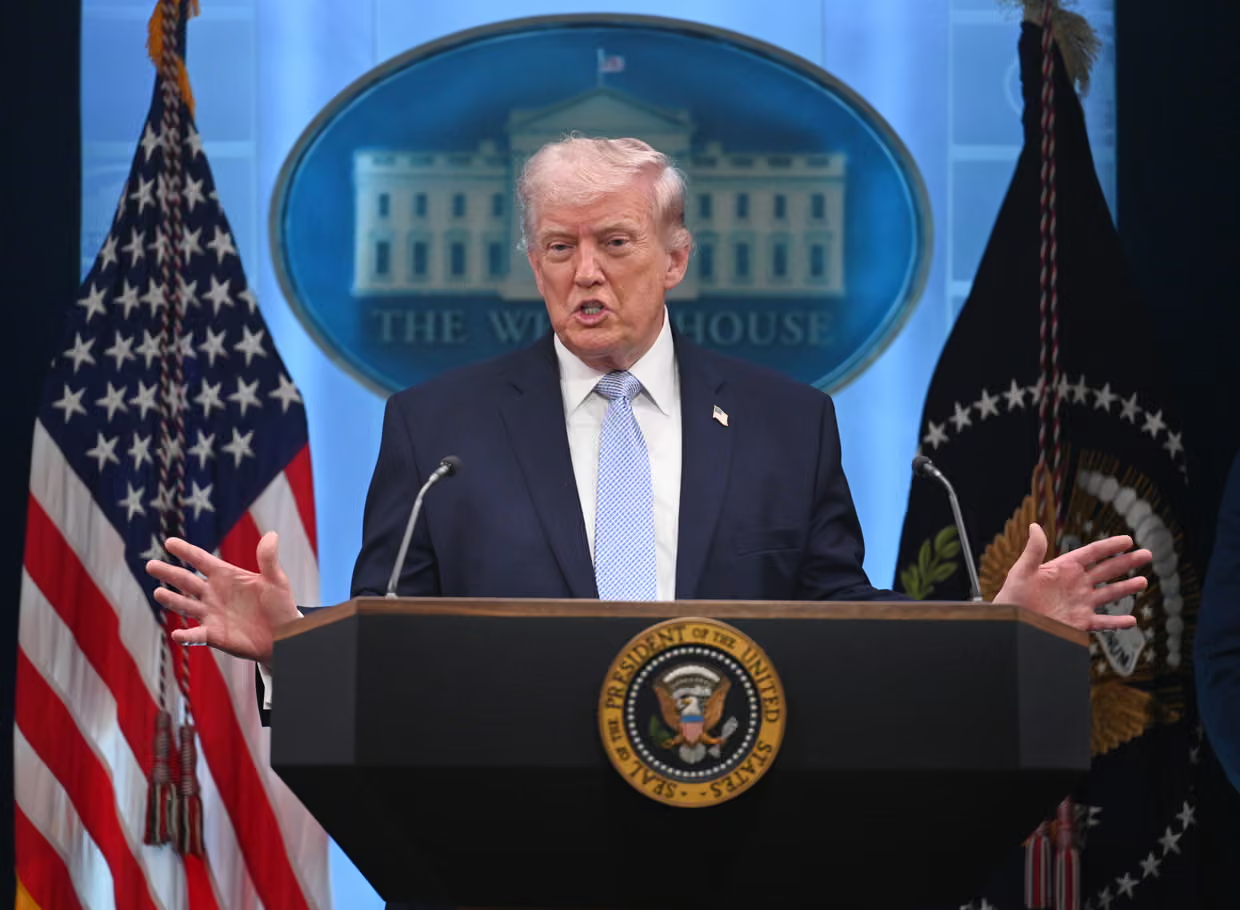
Trump Iran ultimatum Strait Hormuz 2026 has escalated global tensions after former U.S. President Donald Trump warned that “a whole civilization will die” if Iran fails to meet U.S. demands. The statement comes amid intensified military strikes and a looming deadline tied to the strategic Strait of Hormuz.
Trump Issues Stark Warning to Iran
The Trump Iran ultimatum Strait Hormuz 2026 centers on a deadline set by the United States for Iran to comply with specific conditions.
Key Statement
Trump declared that failure to meet these demands could lead to catastrophic consequences, emphasizing the scale of potential escalation.
Deadline Pressure
- Deadline set for early Wednesday local time in Iran
- Linked to demands over regional security and maritime access
- Issued alongside ongoing military operations
The Trump Iran ultimatum Strait Hormuz 2026 has heightened concerns about a possible major escalation in the conflict.
Intensified Military Strikes Across Iran
The Trump Iran ultimatum Strait Hormuz 2026 coincides with a sharp increase in military strikes targeting key infrastructure.
Infrastructure Targets
Reports indicate attacks on:
- Railway bridges in multiple cities
- Power substations and transmission lines
- Petrochemical facilities and industrial sites
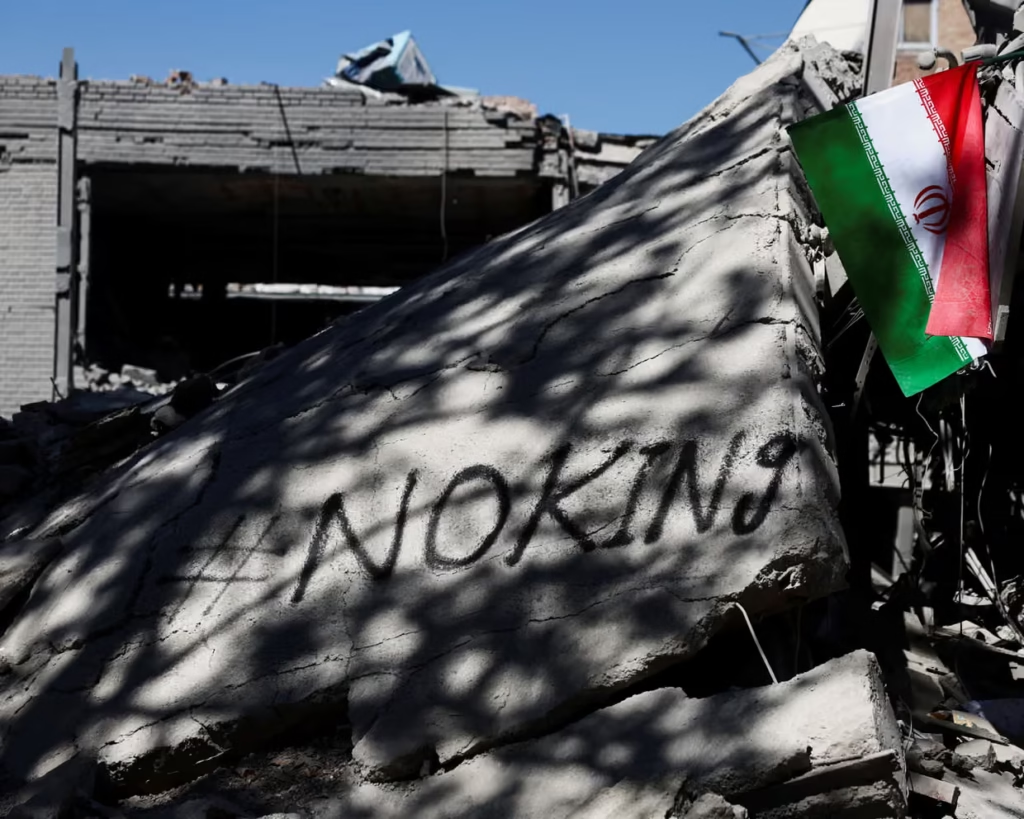
Cities reportedly affected include Kashan, Karaj, Qom, and Tabriz.
Casualties and Damage
- Civilian casualties have been reported
- Power outages occurred in affected regions
- Transportation systems have been disrupted
These developments suggest a coordinated effort to pressure Iran through infrastructure disruption.
Strait of Hormuz at the Center of the Crisis
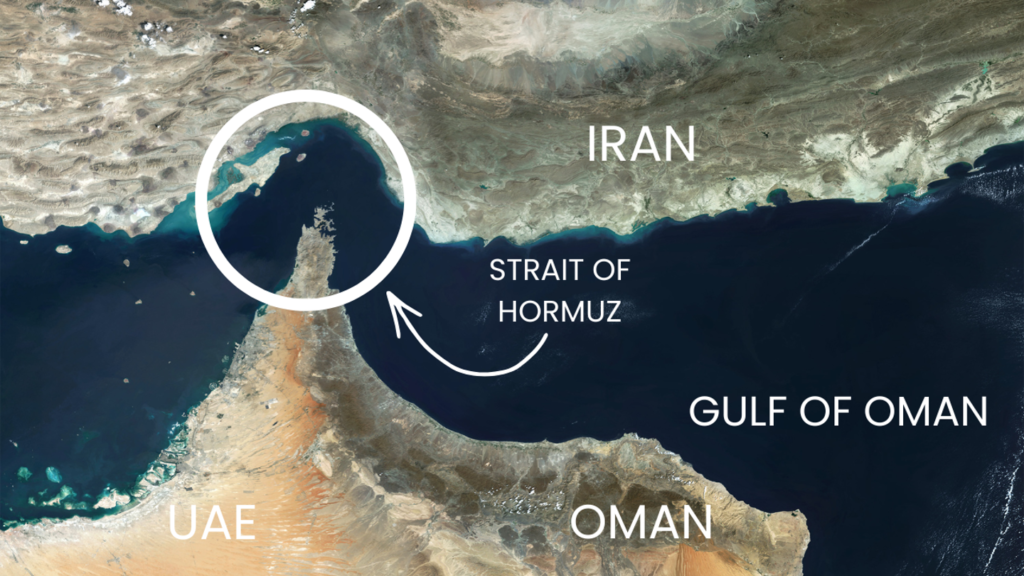
The Trump Iran ultimatum Strait Hormuz 2026 is closely tied to control and access to the Strait of Hormuz.
Strategic Importance
- A key global oil transit route
- Vital for international energy markets
- Central to regional geopolitical dynamics
US Demands
The United States has reportedly demanded that Iran:
- Reopen or maintain free access to the strait
- Scale back military activities
- Address concerns over nuclear development
Failure to comply could trigger further escalation.
Israeli Military Warnings to Civilians
Alongside the Trump Iran ultimatum Strait Hormuz 2026, Israel issued direct warnings to Iranian civilians.
Travel Advisory
Israel’s military urged residents in Iran to avoid train travel, stating that:
- Railways could become targets
- Presence near tracks may pose risks
- The warning was time-bound for a specific period
Civilian Safety Concerns
Such warnings have raised concerns about:
- Risks to non-combatants
- Impact on daily life
- Legal and humanitarian implications
US Military Operations Expand
The Trump Iran ultimatum Strait Hormuz 2026 has been accompanied by expanded U.S. military activity.
Reported Strikes
- Dozens of targets hit, including sites on Kharg Island
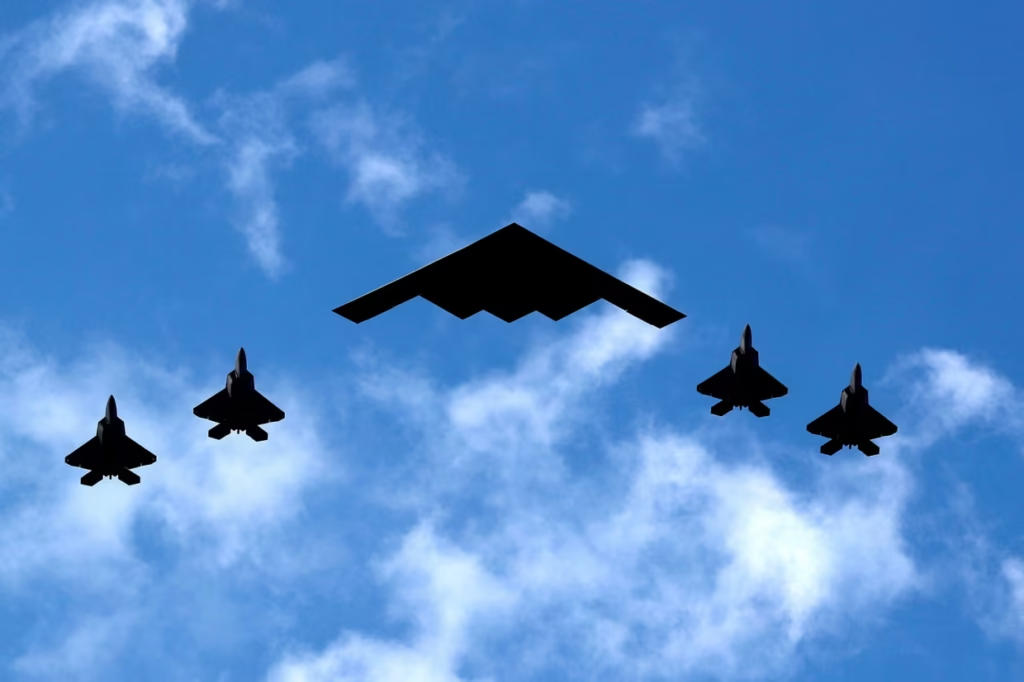
- Use of advanced weaponry, including bunker-buster bombs
- Focus on military and strategic infrastructure
These actions signal a significant escalation in the conflict.
Iran’s Response and Counterproposals
Iran has rejected initial proposals tied to the Trump Iran ultimatum Strait Hormuz 2026 and presented alternative terms.
Iran’s Position
Led by Masoud Pezeshkian, Iran has:
- Called for a permanent end to hostilities
- Proposed its own framework for negotiations
- Emphasized national sovereignty
Key Demands
Reports suggest Iran is seeking:
- Compensation for damages
- Continued control over the Strait of Hormuz
- Authority to impose transit conditions
These demands remain a major sticking point in negotiations.
Regional and Global Impact
The Trump Iran ultimatum Strait Hormuz 2026 is already affecting global markets and regional stability.
Economic Effects
- Oil prices have risen above $110 per barrel
- Concerns over supply disruptions persist
- Market volatility continues
Security Implications
- Missile exchanges between Iran and Israel
- Attacks reported in neighboring countries
- Heightened military alert across the region
The situation remains highly volatile.
Legal and Humanitarian Concerns
The Trump Iran ultimatum Strait Hormuz 2026 has sparked debate among legal experts and analysts.
Concerns Raised
- Potential targeting of civilian infrastructure
- Questions about proportionality in warfare
- Risks of widespread humanitarian impact
Some experts warn that large-scale infrastructure attacks could violate international law if civilian harm outweighs military objectives.
What Happens Next
The Trump Iran ultimatum Strait Hormuz 2026 remains unresolved as the deadline approaches.
Possible Scenarios
- Iran complies with demands
- Continued escalation of strikes
- Renewed diplomatic negotiations
The outcome will likely shape the next phase of the conflict.
FAQ
Q: What is the Trump Iran ultimatum Strait Hormuz 2026 about?
A: It refers to a U.S. demand for Iran to meet conditions related to the Strait of Hormuz, backed by threats of further military action.
Q: Why is the Strait of Hormuz important?
A: It is a critical global oil route, making it strategically vital for energy markets and international trade.
Q: What actions have been taken so far?
A: Multiple infrastructure strikes have been reported, alongside warnings to civilians and ongoing military operations.
Q: How has Iran responded?
A: Iran has rejected initial proposals and offered counter-demands, including compensation and control over the strait.
Conclusion
The Trump Iran ultimatum Strait Hormuz 2026 represents a critical moment in an escalating conflict with far-reaching global consequences. As military actions intensify and diplomatic efforts continue, the situation remains uncertain, with potential impacts on regional stability, global energy markets, and international security.
PLEASE CLICK HERE FOR MORE NEWS