 0
0
 0
0
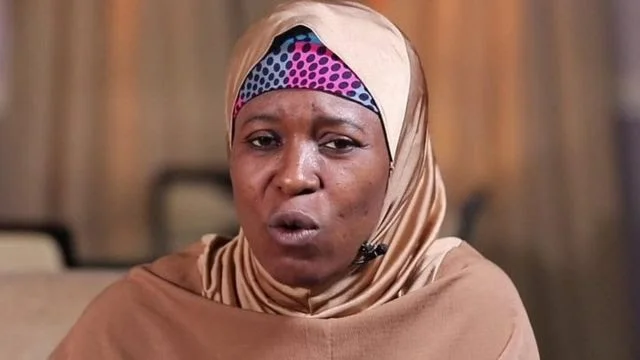
Aisha Yesufu INEC one party state 2027 remarks have stirred political debate after the activist strongly criticised recent electoral developments, warning that Nigeria must not drift into a one-party system. Speaking during a televised interview, she expressed concern over actions by the Independent National Electoral Commission (INEC), particularly regarding opposition parties.
Yesufu’s Strong Criticism of INEC
During her interview, Aisha Yesufu questioned INEC’s recent decision to delist the leadership of the African Democratic Congress (ADC), describing it as both illegal and illegitimate.
Concerns About Electoral Authority
Yesufu argued that INEC may have overstepped its constitutional role:
- She questioned whether the commission has the authority to make such determinations without judicial backing.
- She described the move as a dangerous precedent for Nigeria’s democratic system.
Her remarks reflect growing concerns among political observers about the balance of power between electoral bodies and the judiciary.
Reaction to the Decision
She expressed surprise at what she described as the “audacity” of the action, stating that it was carried out openly despite its alleged implications for democratic governance.

Warning Against One-Party State
A central theme of the Aisha Yesufu INEC one party state 2027 statement is the importance of maintaining political diversity.
Importance of Opposition in Democracy
Yesufu emphasised that democracy cannot function without a strong opposition:
- Competitive elections require multiple parties.
- Opposition voices help ensure accountability.
- Citizens must have real choices during elections.
She stressed that Nigeria’s democratic system was built through sacrifice and should not be undermined by actions that weaken political competition.
Risks of Political Dominance
According to Yesufu, efforts that limit opposition participation could lead to:
- Reduced public trust in elections
- Weakening of democratic institutions
- Increased political imbalance
The Aisha Yesufu INEC one party state 2027 warning highlights fears that electoral processes could become less inclusive ahead of future elections.
Allegations of Bias and Political Influence
Yesufu also accused INEC of abandoning neutrality, alleging that its actions may favour the ruling All Progressives Congress (APC).
Concerns About Fairness
She argued that:
- Electoral bodies must remain independent.
- Any perceived alignment with ruling parties could damage credibility.
- Fair competition is essential for democratic legitimacy.
Impact on 2027 Elections
The Aisha Yesufu INEC one party state 2027 concerns come at a critical time as political parties begin preparations for the 2027 general elections. Observers note that early decisions by electoral authorities can significantly influence the political landscape.

Broader Political Context
Nigeria’s political system has historically relied on multi-party participation to maintain democratic balance. The current situation raises questions about how electoral policies may shape future contests.
ADC Leadership Dispute
The controversy surrounding the African Democratic Congress adds complexity to the issue, as internal party disputes and regulatory actions intersect with broader political concerns.
Growing Public Debate
The Aisha Yesufu INEC one party state 2027 remarks have contributed to ongoing discussions among:
- Political analysts
- Civil society organisations
- Voters concerned about electoral fairness
These discussions reflect wider interest in preserving democratic principles.
Implications for Democratic Stability
The Aisha Yesufu INEC one party state 2027 statement underscores the importance of transparency and accountability in electoral processes.
Key Takeaways
- Electoral institutions must operate within legal frameworks
- Opposition participation is critical for democracy
- Public trust depends on fairness and transparency
Maintaining these principles is essential to ensuring credible elections in 2027 and beyond.
FAQ
Q: What did Aisha Yesufu say about INEC and the 2027 elections?
A: She warned that actions by INEC could push Nigeria toward a one-party state, stressing the need for a strong opposition.
Q: Why did Yesufu criticise INEC’s decision?
A: She described the delisting of ADC leadership as illegal and questioned the commission’s authority to make such decisions without court involvement.
Q: What is the significance of the Aisha Yesufu INEC one party state 2027 statement?
A: It highlights concerns about electoral fairness and the risk of weakening democratic institutions ahead of the 2027 elections.
Q: How could this affect Nigeria’s democracy?
A: If opposition participation is limited, it could reduce public trust and undermine the democratic process.
Conclusion
The Aisha Yesufu INEC one party state 2027 warning reflects broader concerns about Nigeria’s democratic future. As debates continue over electoral decisions and political fairness, the emphasis remains on maintaining a balanced system where opposition parties can operate freely. Ensuring transparency, accountability, and inclusiveness will be key to preserving democratic integrity ahead of the 2027 elections.