 0
0
 0
0
Free open source apps replacing subscriptions are gaining traction in 2026 as more users look for ways to cut recurring costs and regain control over their digital tools. Rising subscription prices, limited access to content, and increasing concerns about data privacy are pushing users toward self-hosted and open source alternatives.
This shift is not just about saving money. It reflects a broader movement toward digital independence, where users prioritize ownership, flexibility, and transparency over convenience alone.
Why Users Are Moving Away From Paid Subscriptions
Subscription-based services have become a dominant model across industries, from entertainment to productivity tools. However, many users are beginning to question their long-term value.
Rising Costs and Subscription Fatigue
Monthly fees for multiple services can quickly add up. Streaming platforms, cloud storage tools, and productivity apps often require separate subscriptions, creating financial pressure over time.
Key challenges include:
- Increasing subscription prices
- Multiple overlapping services
- Limited bundled value
As a result, users are actively seeking free open source apps replacing subscriptions to reduce expenses.
Limited Access and Content Restrictions
Another major concern is inconsistent access. Content on streaming platforms can disappear without notice due to licensing agreements, leaving users without control over what they pay for.
Common frustrations include:
- Region-based restrictions
- Rotating content libraries
- Lack of permanent ownership
Open source alternatives offer a more stable experience by allowing users to manage their own content libraries.
Data Privacy and Ownership Concerns
Many subscription services rely on cloud-based systems that store user data on external servers. This raises concerns about privacy, data tracking, and long-term access.
Users increasingly prefer solutions that:
- Store data locally
- Allow full control over backups
- Avoid third-party data collection
This is a key reason why free open source apps replacing subscriptions are becoming more popular.
Jellyfin: A Self-Hosted Media Streaming Alternative
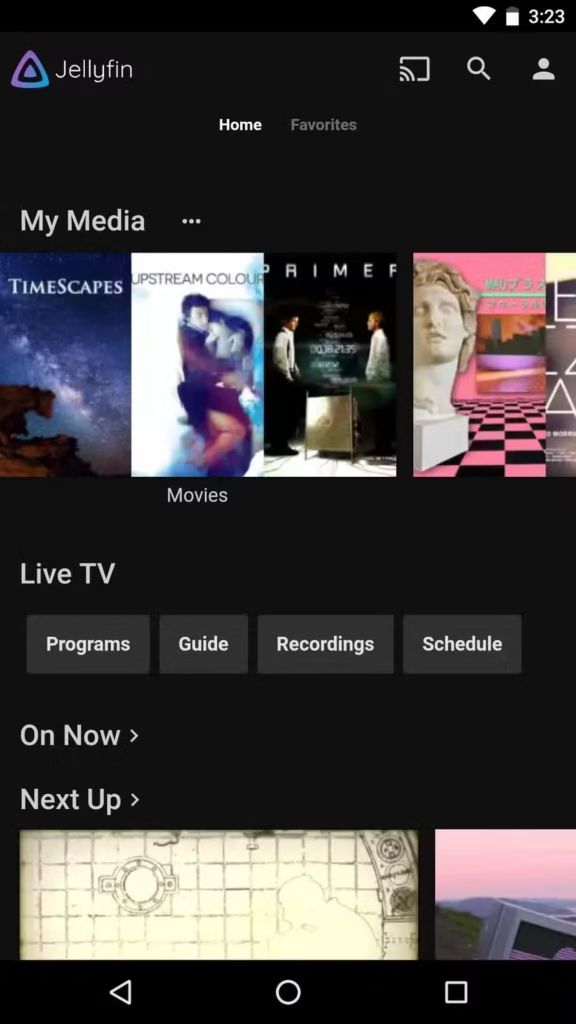
Jellyfin is one of the most widely used open source alternatives to commercial streaming platforms.
How Jellyfin Works
Instead of relying on external libraries, Jellyfin allows users to stream their own media collection. By connecting the app to a personal media folder, users can create a fully customized streaming experience.
Key Benefits of Jellyfin
- No subscription fees
- Full control over media content
- Cross-device streaming (TV, phone, computer)
- No advertisements or tracking
Jellyfin vs Traditional Streaming Services
Unlike paid platforms, Jellyfin eliminates uncertainty around content availability. Users decide what to watch and keep permanent access to their media.
This makes Jellyfin a strong example of free open source apps replacing subscriptions in the entertainment space.
Obsidian: A Local-First Note-Taking Solution
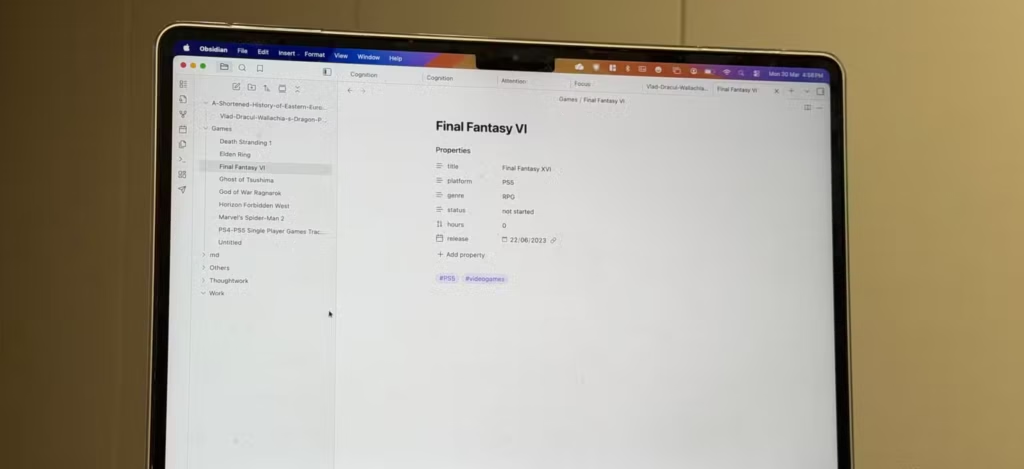
Obsidian offers a different approach to productivity tools by focusing on offline functionality and user ownership.
What Makes Obsidian Unique
Obsidian stores notes as Markdown files directly on the user’s device. This means data is not locked into a proprietary system.
Advantages of Using Obsidian
- Offline-first functionality
- Fast performance with minimal lag
- Flexible file structure
- Easy integration with other tools
Obsidian vs Cloud-Based Note Apps
Many cloud-based tools limit offline access and control over data. Obsidian removes these limitations by allowing users to manage files independently.
This makes it a key example of free open source apps replacing subscriptions in productivity workflows.
Vaultwarden: Secure Password Management Without Fees
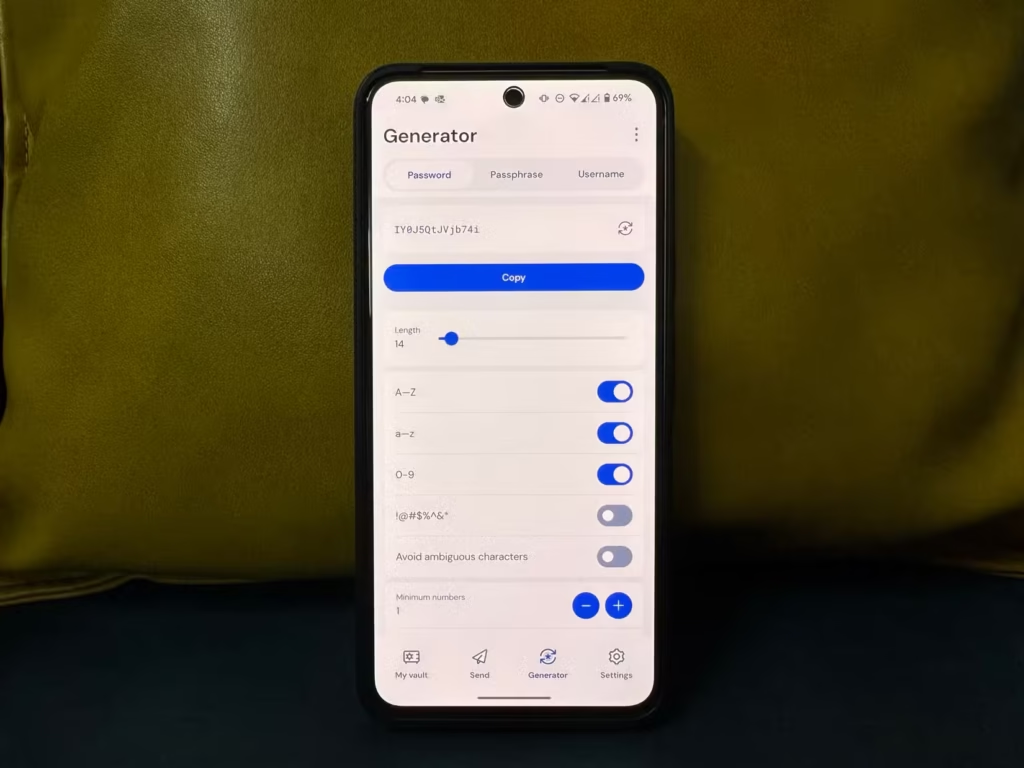
Password managers are essential, but many premium options require subscriptions. Vaultwarden offers a free, self-hosted alternative.
How Vaultwarden Works
Vaultwarden is a lightweight implementation compatible with existing password manager apps. It allows users to host their own password database securely.
Key Features
- Strong encryption for sensitive data
- Compatibility with browser extensions
- Full control over storage and backups
- No recurring costs
Security and Privacy Benefits
By hosting passwords locally or on a private server, users reduce reliance on third-party services. This enhances both privacy and data security.
Vaultwarden is another example of free open source apps replacing subscriptions while maintaining high functionality.
Advantages of Switching to Open Source Alternatives
The transition to open source tools offers several long-term benefits beyond cost savings.
Financial Savings
Eliminating recurring fees can significantly reduce monthly expenses, especially for users managing multiple subscriptions.
Greater Control
Users gain full authority over:
- Data storage
- Content access
- System configurations
Flexibility and Customization
Open source tools can be modified to suit individual needs. This level of customization is rarely available in commercial software.
Long-Term Reliability
Unlike subscription services that may change policies or pricing, open source tools provide consistent access without external restrictions.
Challenges to Consider Before Switching
While free open source apps replacing subscriptions offer many advantages, they also come with some limitations.
Technical Setup
Some tools require basic knowledge of installation and configuration, especially for self-hosted solutions.
Maintenance Responsibility
Users are responsible for updates, backups, and security measures.
Feature Differences
Open source alternatives may not always match the polished interfaces or advanced features of commercial apps.
Despite these challenges, many users find the trade-offs worthwhile.
The Growing Trend of Self-Hosting
Self-hosting is becoming a major trend in 2026, driven by the demand for privacy and independence.
Why Self-Hosting Is Gaining Popularity
- Increased awareness of data privacy
- Availability of affordable hardware
- Growth of open source communities
Future Outlook
As technology evolves, more user-friendly tools are expected to emerge, making self-hosting accessible to a wider audience.
This will further accelerate the adoption of free open source apps replacing subscriptions.
FAQ
What are free open source apps replacing subscriptions?
These are software tools that provide similar functionality to paid services but are free and allow users to control their data and usage.
Are open source apps safe to use?
Yes, many open source apps are secure and regularly updated by communities. However, users must ensure proper setup and maintenance.
Do open source apps require technical knowledge?
Some tools may require basic technical skills, especially for self-hosting, but many have user-friendly guides and support.
Can open source apps fully replace paid services?
In many cases, yes. While some features may differ, open source tools often provide comparable core functionality.
Conclusion
The rise of free open source apps replacing subscriptions reflects a shift toward greater digital independence. Users are increasingly prioritizing cost savings, data ownership, and flexibility over convenience alone.
While the transition may require some effort, the long-term benefits make open source solutions a compelling alternative in today’s subscription-driven landscape.