 0
0
 0
0
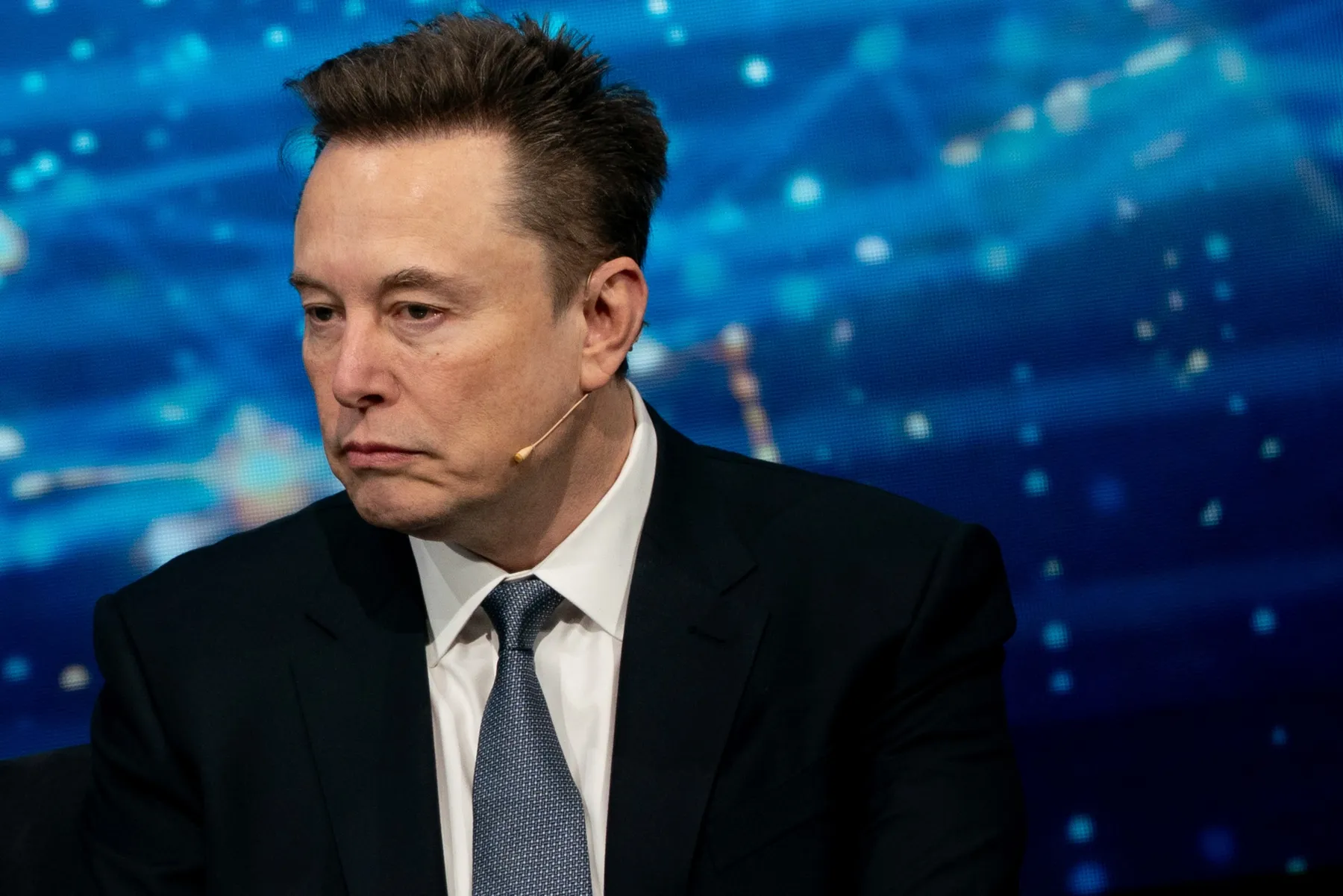
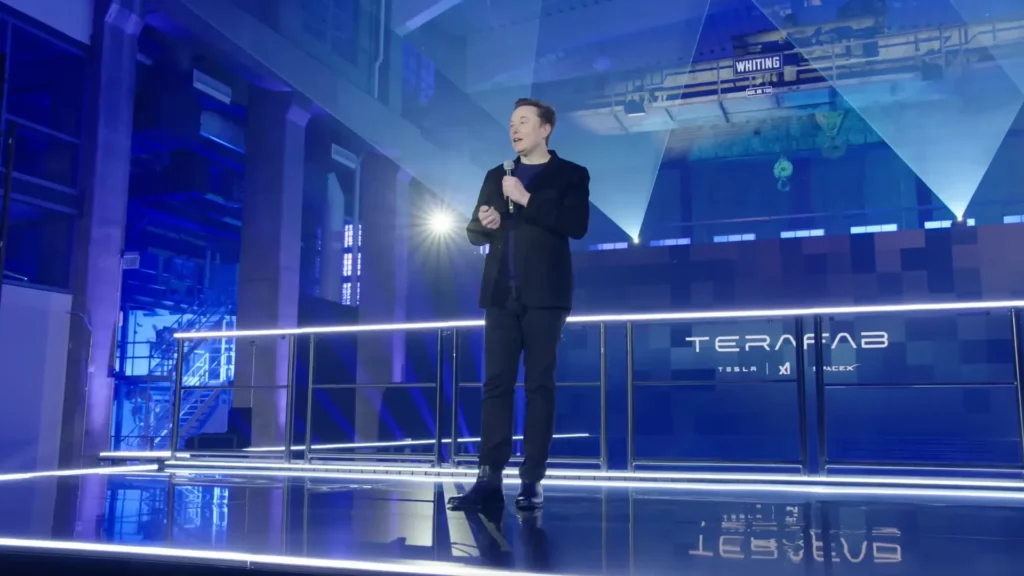
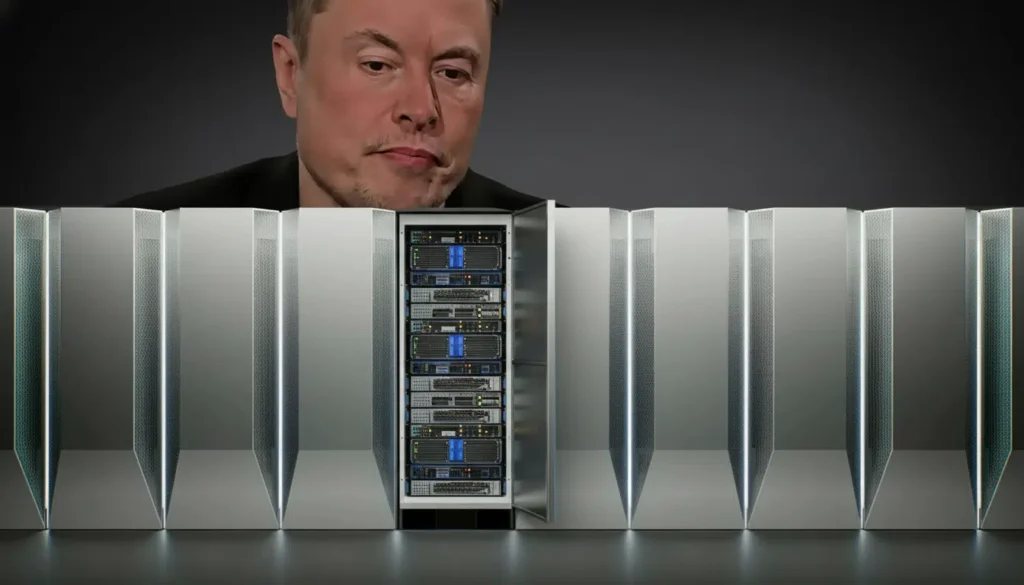
Elon Musk chip manufacturing plans 2026 were revealed in Austin, Texas, as the entrepreneur outlined a collaboration between Tesla and SpaceX to build a cutting-edge semiconductor facility called Terafab.
The facility will be located near Tesla’s Austin headquarters and gigafactory, aiming to produce chips for AI, robotics, and space applications.
Terafab: Musk’s Answer to the Global Chip Shortage
Musk explained that the project addresses a critical shortage of semiconductors:
“We either build the Terafab or we don’t have the chips, and we need the chips, so we build the Terafab.”
The goal of Terafab is ambitious: to manufacture chips capable of supporting 100 to 200 gigawatts of computing power per year on Earth, and up to one terawatt in space, powering advanced artificial intelligence systems and robotics.
Elon Musk Chip Manufacturing Plans 2026: Ambitious But Challenging
Despite Musk’s enthusiasm, analysts note potential challenges:
- Musk lacks a formal background in semiconductor manufacturing.
- The project is highly complex, with no public timeline provided.
- Historical patterns suggest Musk has a track record of overpromising timelines for ambitious tech projects.
Nevertheless, Musk believes Terafab is essential for his companies to remain competitive in AI and robotics-driven industries.
Strategic Implications for Tesla and SpaceX
If successful, the Elon Musk chip manufacturing plans 2026 could:
- Reduce dependence on third-party semiconductor suppliers
- Enable advanced AI capabilities in Tesla vehicles and SpaceX spacecraft
- Position Musk’s companies at the forefront of high-performance chip technology for Earth and space applications
Musk’s vision emphasizes vertical integration, a strategy he has successfully applied at Tesla and SpaceX in other domains.
What Comes Next for Terafab
While details remain sparse, Terafab represents a critical step in Musk’s plan to meet soaring chip demand. Industry observers will watch closely for:
- Official project timeline and milestones
- Partnerships with semiconductor experts
- Regulatory approvals and infrastructure development
Musk’s announcement underscores the growing importance of chip manufacturing as a strategic asset for companies pursuing AI, robotics, and space exploration.
Key Takeaways
- Elon Musk announced Terafab, a chip-manufacturing facility for Tesla and SpaceX.
- The facility aims to produce chips supporting 100–200 gigawatts on Earth and 1 terawatt in space.
- Musk cites global chip shortages as the primary motivation.
- No timeline has been provided, and Musk lacks prior semiconductor experience.
- Terafab could significantly impact AI, robotics, and space technology development.
FAQ
Q1: What is Terafab?
Terafab is Elon Musk’s planned semiconductor manufacturing facility for Tesla and SpaceX.
Q2: Why is Musk building Terafab?
To address the global chip shortage affecting Tesla and SpaceX AI and robotics projects.
Q3: How much computing power will Terafab chips support?
Musk says 100–200 gigawatts per year on Earth and up to 1 terawatt in space.
Q4: When will Terafab be operational?
No official timeline has been provided.
PLEASE CLICK HERE FOR MORE NEWS