 0
0
 0
0
Japan rejects Trump Strait of Hormuz 2026 as diplomatic tensions surfaced following remarks by Donald Trump and Japan’s decision not to support U.S. efforts in the critical Middle Eastern waterway.
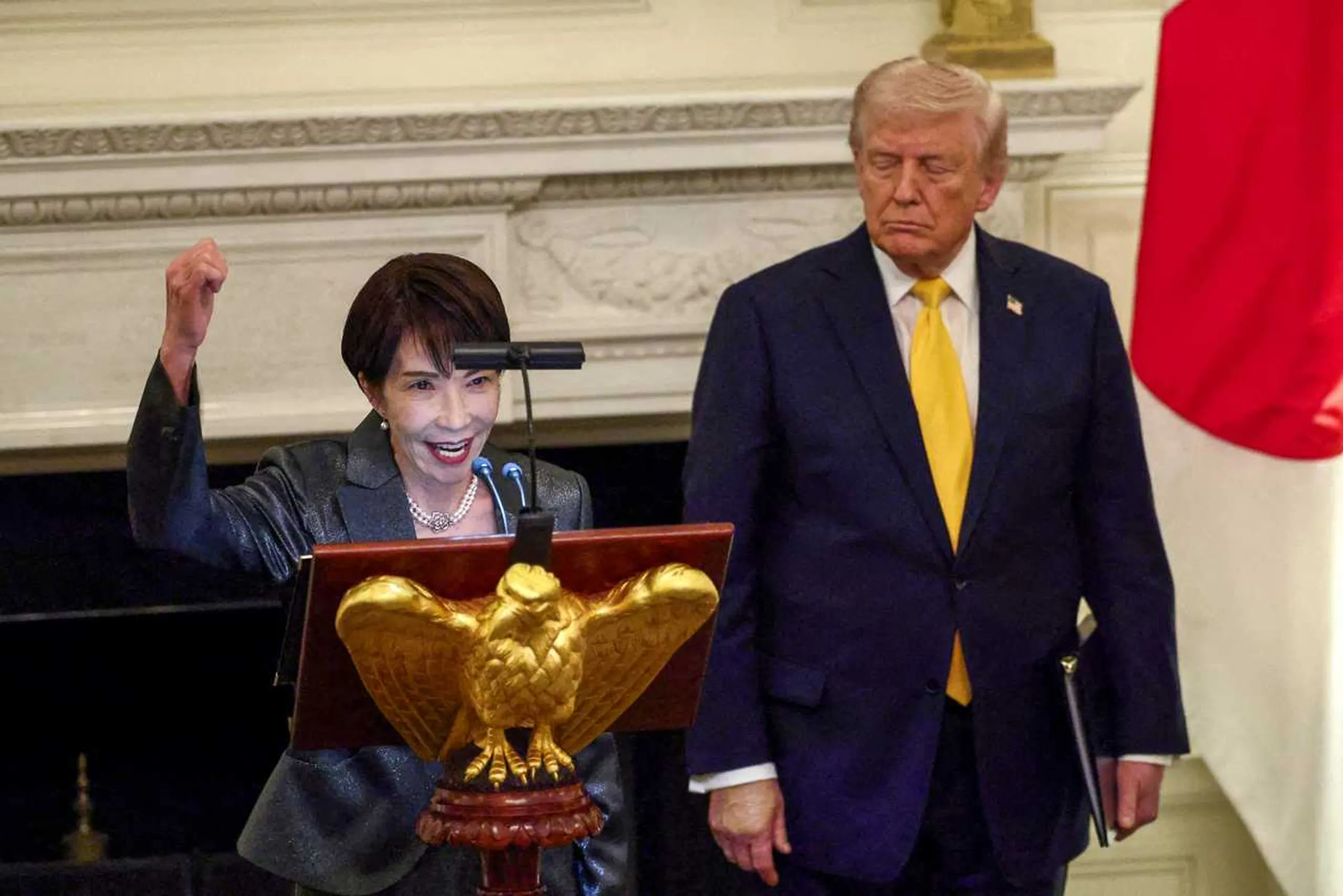
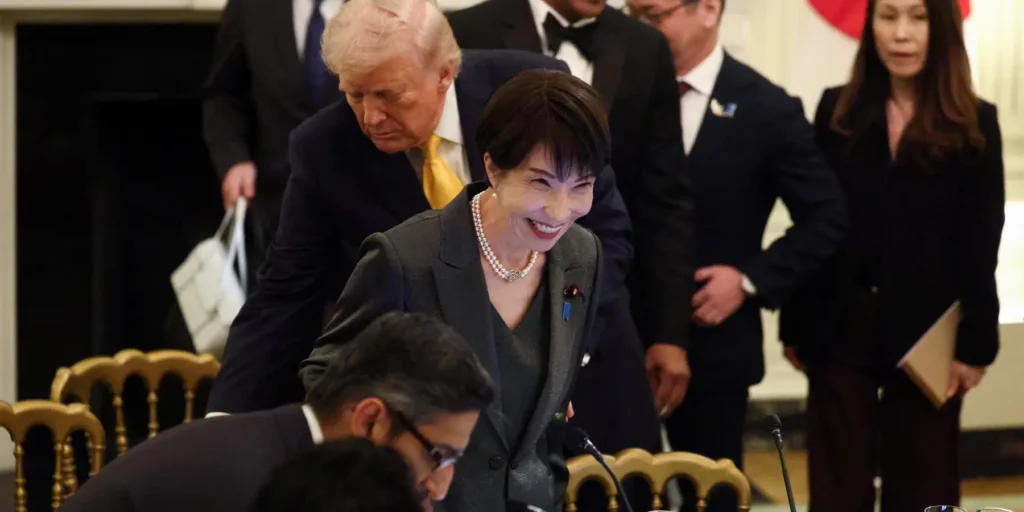
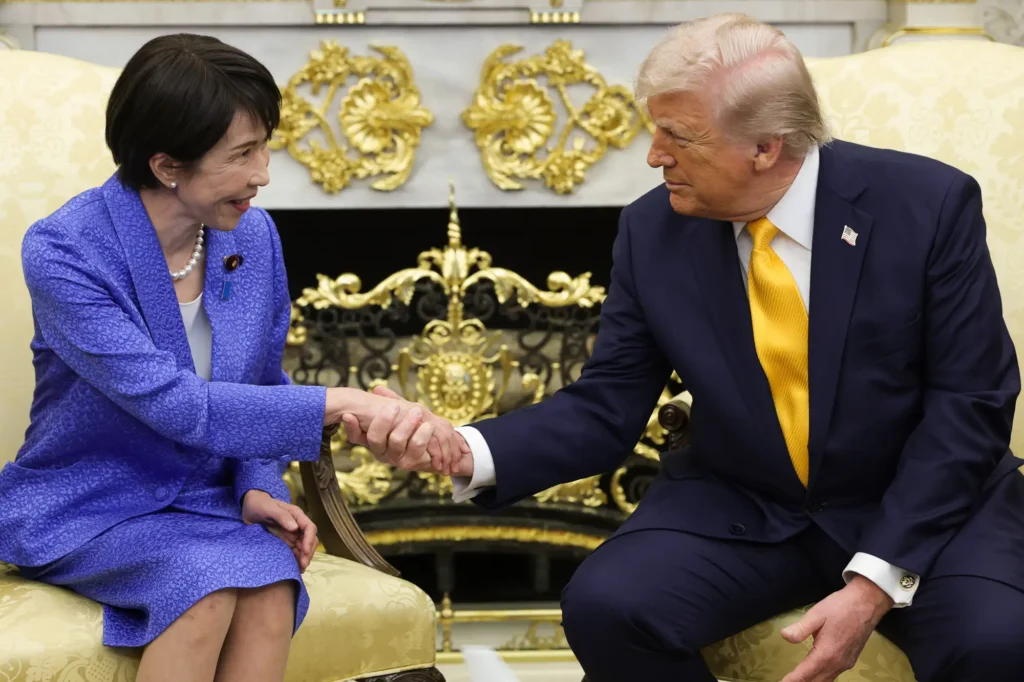
The situation unfolded after a meeting between Trump and Sanae Takaichi, where security cooperation and global tensions were discussed.
Japan Declines Role in Strait of Hormuz
Constitutional Limits on Military Action
Japan’s refusal is primarily linked to its post-war constitution, which restricts military engagement.
Key points include:
-
Japan’s Self-Defense Forces are limited to defensive operations
-
Overseas military involvement is tightly controlled
-
Escorting ships in conflict zones raises legal and political concerns
This explains why Japan rejects Trump Strait of Hormuz 2026 despite its alliance with the United States.
Strategic Importance of the Strait
The Strait of Hormuz is one of the world’s most critical shipping routes.
-
A large portion of global oil supply passes through it
-
Any disruption can affect global markets
-
Security operations in the region carry significant geopolitical risks
Trump’s Remarks Spark Controversy
Pearl Harbor Joke Raises Eyebrows
During discussions, Donald Trump made a controversial comparison referencing Pearl Harbor attack.
He reportedly joked about surprise military action, drawing parallels to historical events involving Japan.
The comment quickly drew attention due to its sensitive historical context and timing.
Public and Diplomatic Reaction
-
The remark added strain to already delicate discussions
-
Critics viewed it as inappropriate given historical significance
-
It contributed to Japan’s cautious stance on cooperation
US-Japan Alliance Under Pressure
Longstanding Strategic Partnership
The United States and Japan have maintained a strong alliance for decades.
-
Japan hosts U.S. military bases
-
Both countries cooperate on regional security
-
The partnership is central to Indo-Pacific stability
However, the Japan rejects Trump Strait of Hormuz 2026 development shows limits within the alliance.
Balancing Domestic Law and Global Expectations
Japan faces a complex situation:
-
Supporting allies while adhering to constitutional restrictions
-
Managing domestic public opinion
-
Avoiding escalation in distant conflicts
Broader Context: Iran Conflict and Global Tensions
Ongoing Middle East Crisis
The situation is linked to rising tensions involving Iran.
-
Military actions in the region have increased uncertainty
-
Global powers are assessing their roles
-
Strategic waterways like the Strait of Hormuz are under scrutiny
Impact on Global Security
-
Increased naval presence in the region
-
Potential disruptions to energy supply chains
-
Heightened diplomatic activity among major nations
Key Takeaways
-
Japan rejects Trump Strait of Hormuz 2026 due to constitutional constraints
-
Controversial remarks referencing Pearl Harbor added tension
-
The US-Japan alliance remains strong but has limitations
-
The Strait of Hormuz remains a critical global security hotspot
FAQs
Why did Japan reject Trump’s request in 2026?
Japan cited constitutional limits that restrict its military from engaging in overseas operations not directly tied to national defense.
What is the Strait of Hormuz and why is it important?
It is a key global shipping route for oil, making it vital for international energy supply and economic stability.
What did Trump say about Pearl Harbor?
He made a controversial joke referencing the surprise element of the 1941 attack, which drew criticism.
Does this affect US-Japan relations?
While tensions have emerged, the overall alliance remains intact, though this incident highlights certain limits.
Conclusion
The Japan rejects Trump Strait of Hormuz 2026 situation underscores the complexities of modern alliances, where legal frameworks, historical sensitivities, and geopolitical realities intersect. While cooperation between the United States and Japan remains strong, this episode highlights the challenges nations face when balancing domestic constraints with international expectations.
PLEASE CLICK HERE FOR MORE NEWS