 0
0
 0
0
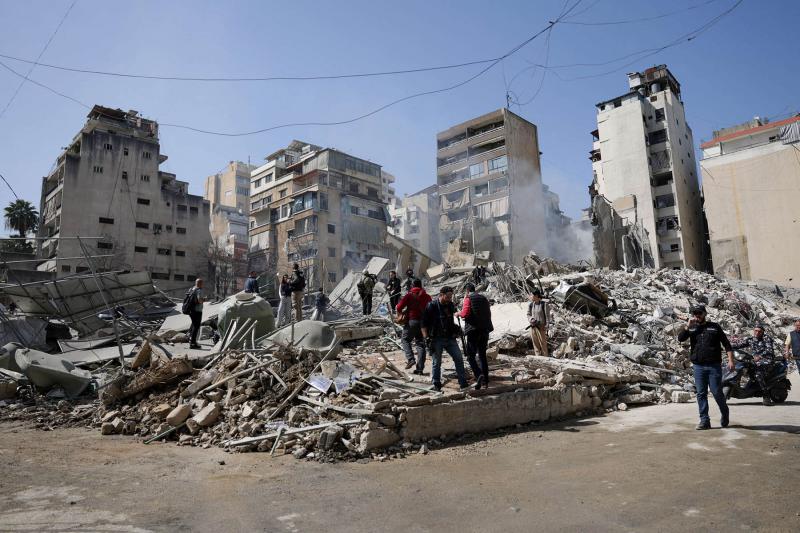
Israel Hezbollah financial strikes 2026 have intensified as Tel Aviv expands operations against Hezbollah, targeting civilian-linked economic institutions to disrupt the group’s funding networks.
Expanded Targets Against Hezbollah
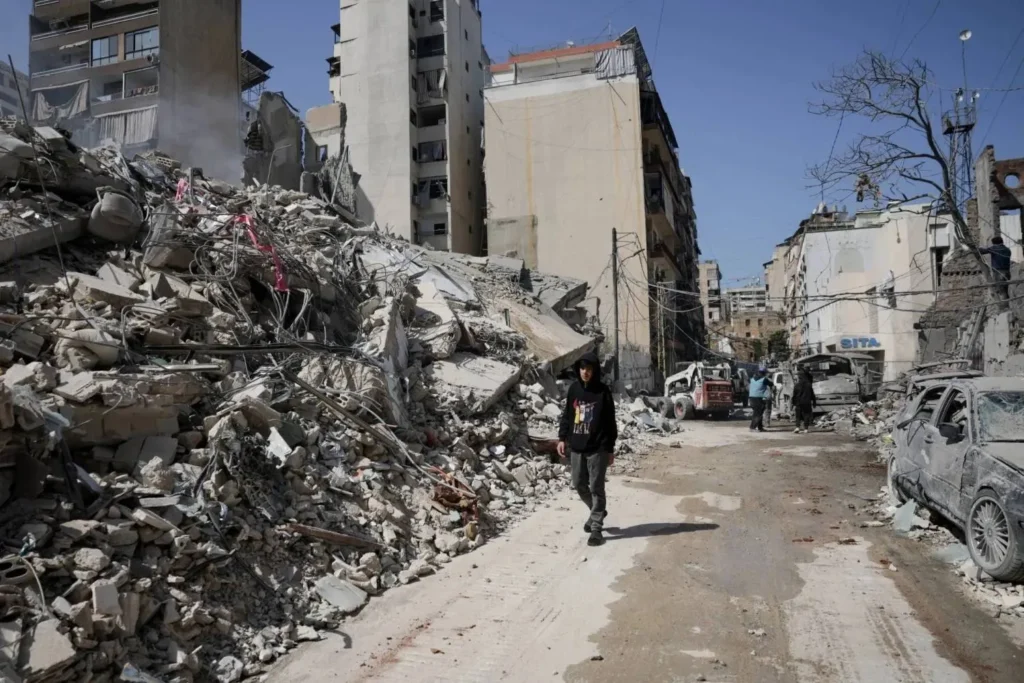
Following an increase in Hezbollah attacks using precision and ballistic missiles, Israel has widened its campaign beyond military targets.
Key Civilian-Linked Operations
-
Strikes on branches of Al-Qard Al-Hasan, a financial institution tied to Hezbollah
-
Raids on Al-Amana gas stations across southern Lebanon villages
According to Israeli military statements, these operations aim to undermine Hezbollah’s economic infrastructure and its ability to plan attacks.
Strategic Objectives
Israel claims these measures:
-
Deal a significant blow to Hezbollah’s military and financial capabilities
-
Reduce profits funneled to Hezbollah through civilian businesses
-
Apply pressure on the support base by targeting economic entrenchment
Escalation in Israel-Hezbollah Conflict
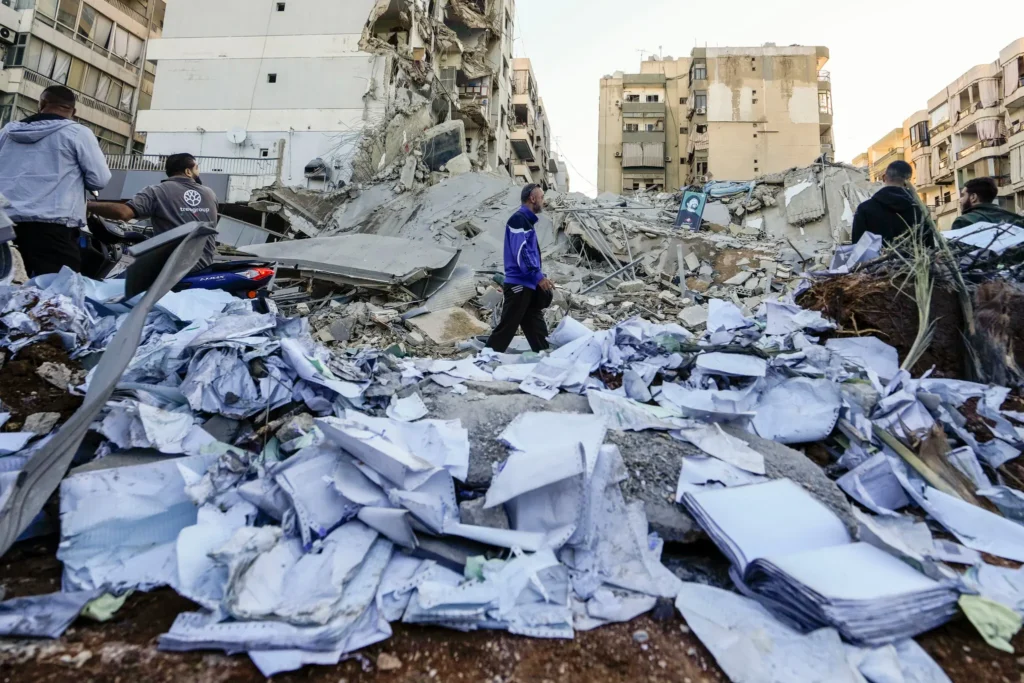
Experts note that Israel Hezbollah financial strikes 2026 represent a shift in tactics from strictly military targeting to economic pressure.
Analyst Insights
-
Ali al-Amin, editor-in-chief of Janoubia, highlighted that targeting civilian-linked institutions reflects an escalating trajectory in Israel’s campaign
-
Economic attacks are intended to complement military operations, creating multi-dimensional pressure
Economic Context
-
Hezbollah historically funded itself through overseas channels, land, sea, and air transfers, including Iranian support
-
Collapse of the Syrian regime and tightened US-Israeli maritime controls have disrupted traditional routes
-
Remaining domestic institutions, such as Al-Qard Al-Hasan and Al-Amana, are now primary targets
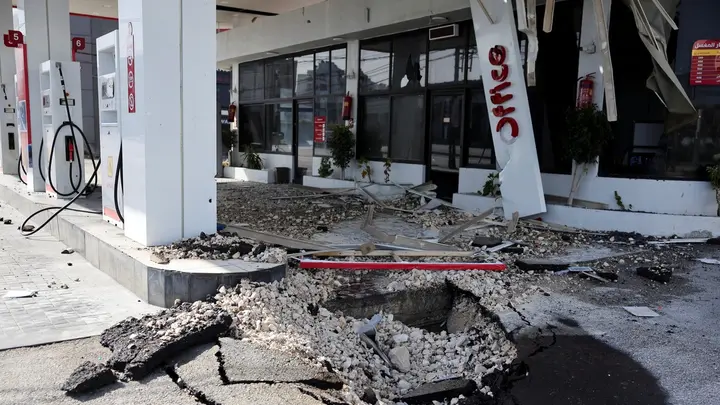
Direct Impact on Hezbollah’s Base
Financial pressure affects the organization’s fighters, families, and support networks.
Social and Political Consequences
-
Mona Fayad, political analyst, noted that funding shortages strain Hezbollah’s ability to provide services
-
Internal tensions and social unrest may be amplified as Israel bets on this pressure to weaken the group’s influence
Strategic Calculations
-
Israel is using economic pressure to mobilize Hezbollah’s base against its leadership indirectly
-
This tactic is intended to create internal divisions and reduce operational effectiveness
Historical and Regional Considerations
-
Hezbollah has relied on civilian-linked institutions to maintain domestic operations
-
Israel Hezbollah financial strikes 2026 mark a strategic adaptation to cut off these remaining funding sources
-
Long-term impact may reshape Hezbollah’s financial resilience and operational capacity
FAQ Section
What are Israel Hezbollah financial strikes 2026 targeting?
The strikes focus on civilian-linked financial institutions, including Al-Qard Al-Hasan banks and Al-Amana gas stations, to disrupt Hezbollah’s funding.
Why is Israel targeting economic interests?
To undermine Hezbollah’s ability to fund military operations and apply pressure on its domestic support base, complementing military actions.
How does this affect Hezbollah’s fighters and communities?
Funding shortages reduce support to fighters and their families, potentially causing internal tension and social unrest.
Are Hezbollah’s overseas funding channels impacted?
Yes, traditional funding routes via Syria, Iran, and maritime pathways have been restricted, making domestic financial targets more significant.
Conclusion
Israel Hezbollah financial strikes 2026 represent an escalation that combines military and economic strategies to weaken the organization’s operational and social base. By targeting civilian-linked institutions, Israel aims to disrupt funding, apply internal pressure, and reshape Hezbollah’s strategic resilience in Lebanon.
PLEASE CLICK HERE FOR MORE NEWS