 0
0
 0
0
Iranian missile attacks Israel March 2026 have intensified, resulting in additional casualties and widespread disruption to civilian life and air travel. The latest strikes highlight the growing risks posed by advanced weaponry and ongoing regional conflict.
Latest Casualties Reported
Five More Deaths Confirmed
At least five people were killed in the latest wave of Iranian missile attacks Israel March 2026.
The victims include:
-
A Thai national in central Israel
-
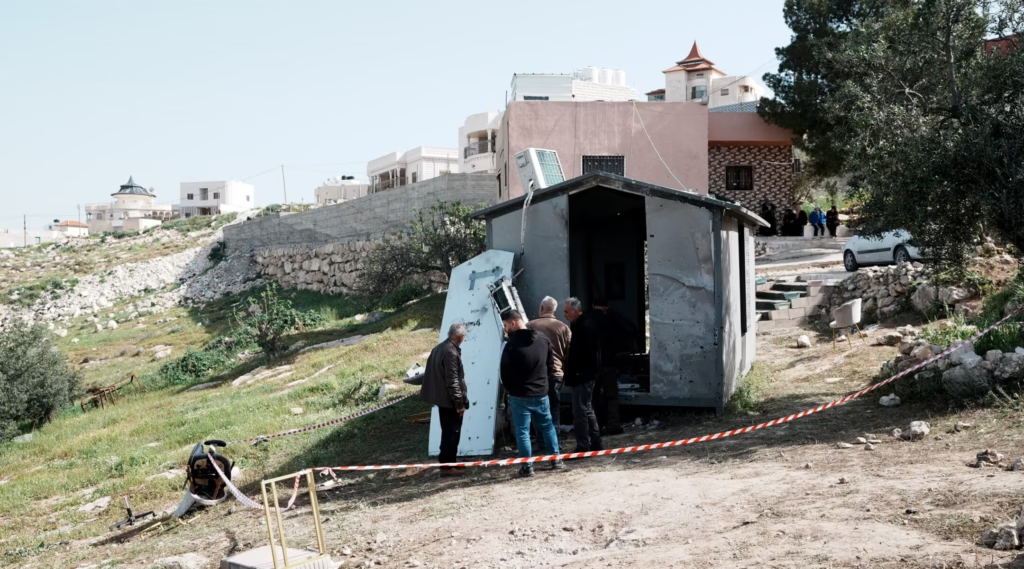
Four Palestinian women in the West Bank
The women were reportedly preparing to break their Ramadan fast when the incident occurred. One of the victims was six months pregnant.
Civilian Impact Expands
The fatalities underscore the increasing toll on civilians across different communities affected by the conflict. The Iranian missile attacks Israel March 2026 continue to affect both Israeli and Palestinian populations.
Use of Cluster Munitions Raises Concerns
Increased Deployment
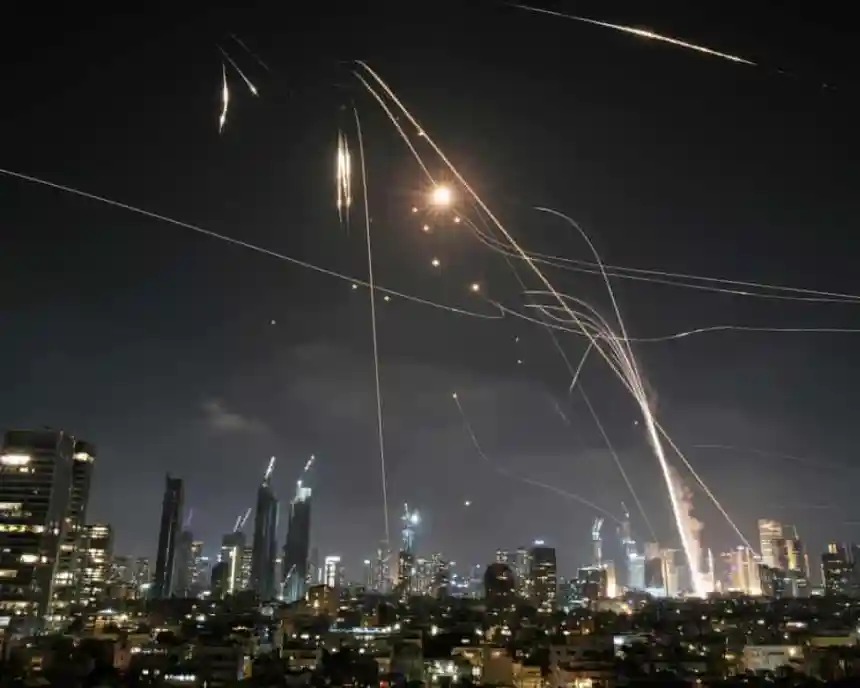
Reports indicate that Iran has increasingly used cluster munitions in recent strikes. These weapons release multiple smaller explosives over a wide area.
Challenges for Air Defense
Cluster munitions create new challenges for interception systems because:
-
They split into multiple projectiles mid-air
-
They cover wider impact zones
-
They are harder to track and neutralize
This has made the Iranian missile attacks Israel March 2026 more difficult to defend against effectively.
Ben Gurion Airport Disruptions
Shrapnel Damage
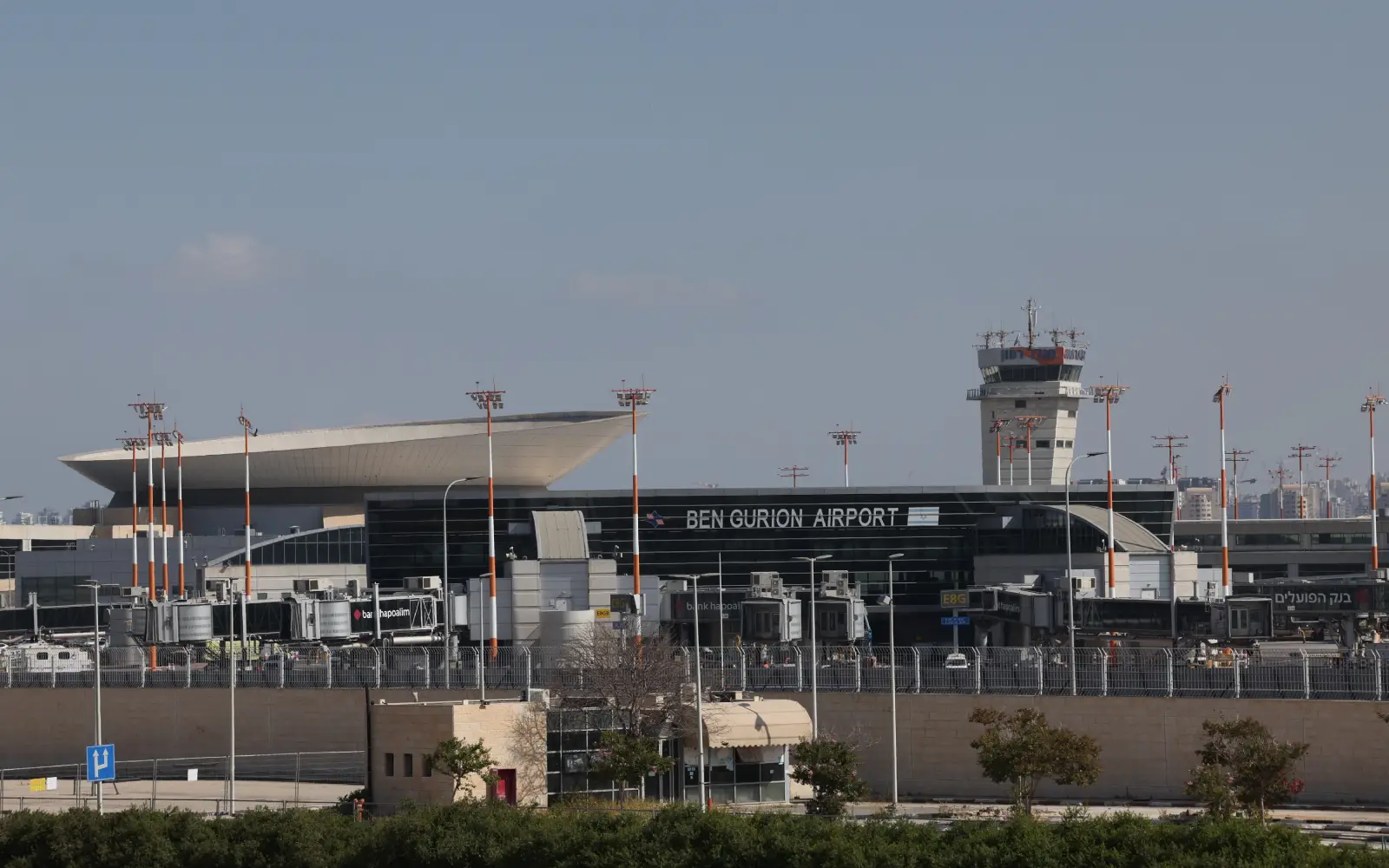
Shrapnel from intercepted missiles fell near Ben Gurion Airport, damaging infrastructure and private aircraft.
Although the missiles were partially intercepted, debris still posed significant risks on the ground.
Flight Cancellations Extended
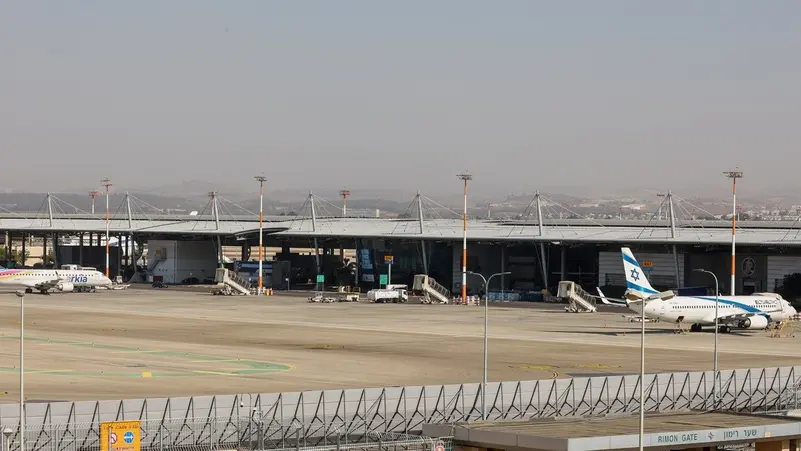
The situation has led to extended disruptions in air travel. Major airlines, including Delta Air Lines and United Airlines, have canceled flights to and from Israel until at least June 2026.
Authorities have also:
-
Limited passenger numbers on emergency flights
-
Prioritized evacuation and return operations
-
Imposed stricter airport safety measures
Broader Conflict Escalation
Ongoing Military Operations
The Iranian missile attacks Israel March 2026 are part of a broader conflict involving the United States and Israel against Iran. The fighting has now entered its third week.
Economic Impact
The escalation has begun to affect global markets, particularly energy prices. Rising fuel costs have increased economic pressure worldwide.
Concerns Over Defense Capabilities
Interceptor Supply Questions
Reports suggest that Israel’s missile defense systems may be facing strain due to the high volume of incoming projectiles.
Some officials have raised concerns about the availability of interceptors needed to counter continued attacks.
Official Response
Authorities in Israel have downplayed fears, maintaining that defense systems remain operational and capable.
However, analysts warn that sustained attacks combined with the use of cluster munitions could increase vulnerabilities.
Rising Risks to Civilians
Expanding Threat Zones
The nature of the Iranian missile attacks Israel March 2026 means that even intercepted missiles can cause harm through falling debris.
This creates risks for:
-
Urban areas
-
Transportation hubs
-
Residential communities
Humanitarian Concerns
The deaths of civilians, including women and foreign nationals, highlight the humanitarian dimension of the conflict.
Key Takeaways
-
Five additional deaths reported in latest missile strikes
-
Cluster munitions are increasing the complexity of attacks
-
Ben Gurion Airport has suffered damage from falling debris
-
Major airlines have suspended flights through June
-
Concerns are growing over missile defense capacity
FAQ
Q1: What caused the recent deaths in Israel and the West Bank?
A1: The deaths were caused by Iranian missile strikes and falling debris from intercepted projectiles.
Q2: Why are flights being canceled in Israel?
A2: Safety concerns due to missile strikes and falling shrapnel near major airports have led to cancellations.
Q3: What are cluster munitions?
A3: They are weapons that release multiple smaller explosives, increasing the spread and impact area.
Q4: Is Israel’s missile defense system under pressure?
A4: Some reports suggest strain due to sustained attacks, though officials say systems remain functional.
Conclusion
The Iranian missile attacks Israel March 2026 continue to escalate, with rising civilian casualties and significant disruptions to daily life and international travel. As the conflict intensifies, concerns over safety, defense capacity, and regional stability remain central to ongoing developments.