 0
0
 0
0
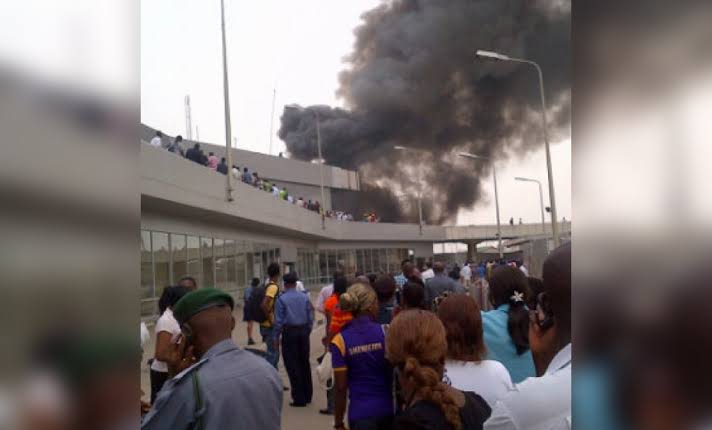
Lagos Airport blackout March 2026 caused widespread disruption at the international wing of Murtala Muhammed International Airport (MMIA), leaving passengers stranded and operations delayed. The outage occurred on Tuesday, March 17, during peak travel hours, creating confusion and uncertainty among travelers and airline staff alike.
Sudden Outage at MMIA
The blackout at MMIA’s international terminal began when a damaged electrical cable interrupted the power supply. Initial reports suggest the cable may have been affected during routine maintenance work.
Immediate Impact on Passengers
-
Check-in counters were partially inoperative.
-
Boarding procedures were delayed, affecting multiple international flights.
-
Baggage carousels temporarily stopped functioning, leaving luggage stranded.
Passengers reported confusion as staff tried to manage crowds without full operational support, highlighting the vulnerability of airport infrastructure to electrical failures.
Technical Response
The Federal Airports Authority of Nigeria (FAAN) deployed technical teams immediately to resolve the issue. Power was eventually restored by switching electricity to a secondary grid and activating interim backup systems.
-
FAAN confirmed restoration at 9:49 pm local time.[]]]]
-
Baggage handling resumed, though minor delays continued.
-
Airport management gradually returned operations to normal.
Possible Cause of the Blackout
Sources indicate that a Chinese contractor conducting maintenance at Terminal 2 may have accidentally damaged a critical power cable. While details remain under investigation, this incident underscores the importance of careful coordination during repair and maintenance activities in high-traffic areas like international airports.
Historical Context of Outages at MMIA
Lagos Airport has faced similar power disruptions in recent years:
-
2024: A blackout caused extensive flight delays, frustrating travelers.
-
February 2026: Terminal 1 experienced a power outage shortly before a fire incident affected part of the facility.
These recurring issues highlight ongoing challenges in maintaining a consistent power supply across Nigeria’s busiest airport terminals.
FAAN Statement and Passenger Communication
FAAN acknowledged the Lagos Airport blackout March 2026 and issued a public statement:
-
“We acknowledge the power outage at MMIA Terminal 1. The interruption was caused by an issue with the changeover circuit. We apologize to all passengers and stakeholders affected by the disruption and any discomfort it caused.”
-
Officials stressed that technical teams acted promptly to restore electricity and minimize disruption.
The agency confirmed that electricity was transferred to a backup grid while engineers worked on repairing the damaged line, ensuring essential airport services could resume quickly.
Impact on Baggage and Flight Operations
H3: Baggage Handling Delays
The blackout directly affected baggage carousels, leading to:
-
Delays in luggage retrieval for arriving passengers.
-
Temporary suspension of automated baggage scanning systems.
-
Increased manual handling to prevent further operational disruptions.
H3: Flight Check-In Challenges
Check-in desks faced power shortages, creating longer waiting times for passengers. Airlines coordinated with airport staff to expedite boarding processes once power was restored, minimizing further flight delays.
Ikeja Electric Response
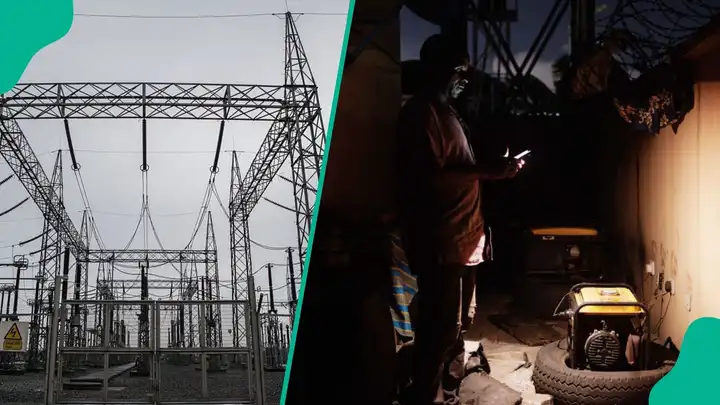
Ikeja Electric, which supplies power to the area, issued an apology to customers affected by broader power outages. The company attributed the disruptions to limited gas supply, which reduces national grid power generation capacity.
-
Load shedding increased across multiple feeders.
-
Ikeja Electric assured customers that corrective measures were underway to stabilize supply.
-
The blackout at MMIA highlights how national grid limitations can impact critical infrastructure, including airports.
Broader Implications
This incident sheds light on challenges in airport operations, particularly regarding infrastructure resilience:
-
Dependence on single power sources can create vulnerabilities during maintenance or technical faults.
-
Backup grids and emergency systems are crucial to maintaining passenger safety and operational continuity.
-
Coordination between contractors, airport authorities, and power providers is essential to prevent repeat incidents.
Lessons Learned and Preventive Measures
H3: Strengthening Electrical Infrastructure
To avoid future blackouts, airports may consider:
-
Upgrading electrical circuits and monitoring systems.
-
Scheduling maintenance during low-traffic hours.
-
Conducting regular inspections of critical cables and backup systems.
H3: Enhancing Passenger Communication
Clear communication with travelers during outages can help reduce confusion and anxiety:
-
Real-time announcements via airport PA and mobile alerts.
-
Contingency plans for baggage and check-in processes.
-
Trained staff for emergency response and crowd management.
H3: Collaboration with Power Providers
Airports and electricity distributors must coordinate closely to manage load and anticipate disruptions:
-
Joint emergency response drills.
-
Shared monitoring of grid performance and fuel supply levels.
-
Strategic investment in backup generators and renewable energy solutions.
Future Outlook for MMIA
With the Lagos Airport blackout March 2026 incident now resolved, FAAN continues to focus on improving operational reliability. Ongoing infrastructure upgrades and better contingency planning are expected to reduce the likelihood of future disruptions, ensuring smoother travel experiences for passengers.
FAQ Section
Q1: What caused the Lagos Airport blackout in March 2026?
A1: The outage was caused by a damaged electrical cable, possibly affected during maintenance work at Terminal 2, disrupting power supply to the international wing.
Q2: How long did the power outage at MMIA last?
A2: Power was restored by 9:49 pm local time, approximately 30–60 minutes after the blackout began, with backup systems aiding recovery.
Q3: Has Lagos Airport experienced similar outages before?
A3: Yes, MMIA has faced blackouts in 2024 and February 2026, highlighting recurring challenges with power reliability.
Q4: What measures are being taken to prevent future blackouts?
A4: FAAN and Ikeja Electric are improving backup systems, upgrading electrical infrastructure, and coordinating maintenance schedules to reduce disruptions.
Conclusion
The Lagos Airport blackout March 2026 serves as a reminder of the critical role of power infrastructure in major transport hubs. While the outage caused delays and temporary confusion, swift technical response and backup systems allowed operations to resume. Continued investment in resilient infrastructure and coordinated maintenance can help prevent similar incidents and enhance the travel experience at Murtala Muhammed International Airport.
Click here for more news