 0
0
 0
0
GCC Britain condemn Iranian attacks 2026 as foreign ministers from Gulf states and the United Kingdom call for an immediate ceasefire and stronger respect for international law across the Middle East.
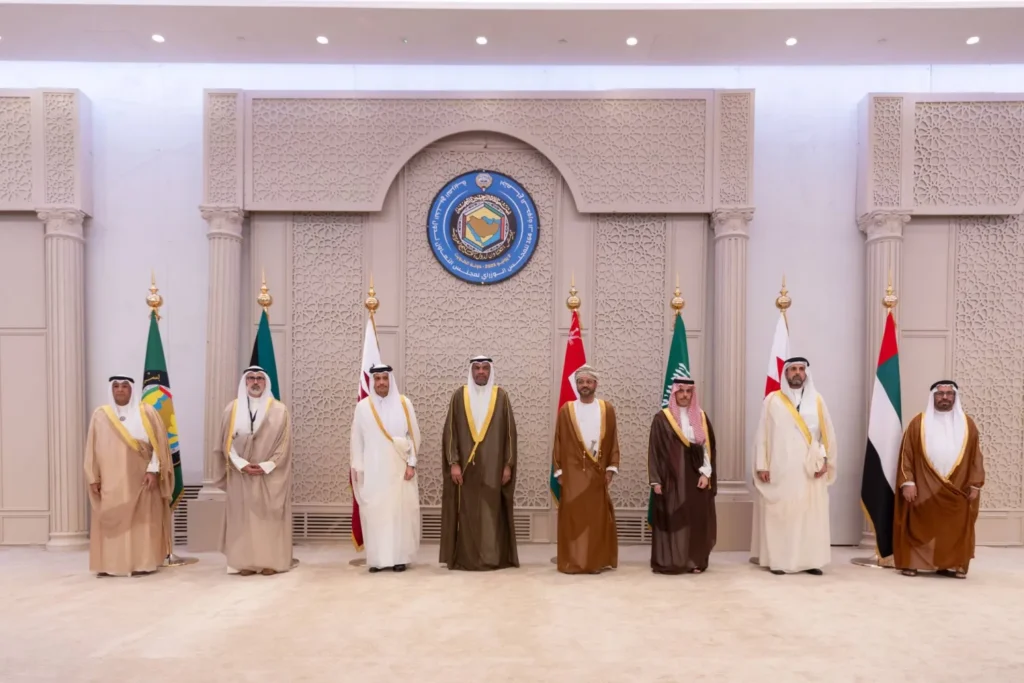
The joint diplomatic position emerged after an extraordinary meeting between the Gulf Cooperation Council (GCC) foreign ministers and UK officials. Leaders urged Iran to halt attacks, avoid escalation, and refrain from using proxy groups across the region.
The development reflects growing international concern about regional security and the safety of civilian populations following several reported attacks targeting Gulf countries and neighboring states.
Extraordinary GCC–UK Meeting Addresses Regional Tensions
Foreign ministers from the Gulf Cooperation Council and the United Kingdom convened an emergency diplomatic meeting to address escalating tensions in the Middle East.
The talks included participation from the UK’s Secretary of State for Foreign, Commonwealth and Development Affairs, who joined GCC leaders in reviewing the security situation and discussing coordinated responses.
Key Outcomes From the Meeting
The meeting concluded with a joint communiqué that outlined several major diplomatic positions:
-
A call for Iran to immediately cease all attacks in the region.
-
A demand for restraint and avoidance of further provocative actions.
-
A request for Iran to stop using proxy groups in neighboring countries.
-
Support for diplomatic and peaceful solutions to prevent further escalation.
The statement emphasized the importance of regional stability and urged all parties to adhere strictly to international law and humanitarian standards.
UN Security Council Resolution Condemns Iranian Attacks
One of the central points discussed during the meeting was the adoption of a recent United Nations Security Council resolution condemning the attacks.
UN Security Council Resolution 2817 (2026)
The ministers welcomed the adoption of Resolution 2817 (2026), which strongly criticized Iranian actions targeting Gulf states and Jordan.
The resolution highlighted several serious concerns:
-
Strikes against civilian infrastructure.
-
Attacks on residential areas.
-
Damage to oil facilities and service infrastructure.
-
Civilian casualties and destruction of buildings.
The resolution described these incidents as violations of international law and warned that they threaten global peace and security.
Broad International Support
The resolution also received significant global backing.
According to the GCC Secretariat, 136 United Nations member states supported the measure, demonstrating widespread international concern about the escalating situation.
Officials described this level of support as a sign of unprecedented international solidarity with Gulf countries and Jordan.
Calls for Immediate Ceasefire and Regional De-Escalation
As GCC Britain condemn Iranian attacks 2026, ministers stressed the urgent need for an immediate ceasefire.
They urged all parties to prioritize diplomacy and avoid actions that could further destabilize the region.
Protection of Civilians
A major concern raised during the discussions involved civilian safety.
The ministers emphasized the need for:
-
Protection of civilian populations.
-
Respect for international humanitarian law.
-
Avoidance of attacks on residential areas and essential infrastructure.
Ensuring the safety of residents, workers, and international personnel across the Gulf region remains a central priority for governments involved in the discussions.
Respect for the UN Charter
Officials also highlighted the importance of adherence to the principles outlined in the United Nations Charter, particularly those relating to sovereignty, territorial integrity, and peaceful dispute resolution.
Concerns Over Nuclear and Missile Programs
Beyond immediate security concerns, ministers also raised broader issues related to Iran’s military capabilities.
They reiterated calls for Iran to limit its nuclear and ballistic missile programs and avoid activities that could further destabilize the region.
Key Security Concerns Raised
The joint statement highlighted several areas of concern:
-
Development of ballistic missile technology.
-
Expansion of drone capabilities.
-
Use of proxy groups in regional conflicts.
-
Interference in the internal affairs of neighboring countries.
Diplomatic efforts are expected to continue as countries seek long-term solutions to these security challenges.
Diplomatic Efforts to Prevent Escalation
Despite the strong condemnation, ministers emphasized that dialogue remains the preferred path forward.
They reaffirmed their commitment to diplomacy and negotiations aimed at resolving tensions peacefully.
Mediation Efforts by Oman
The meeting also recognized mediation efforts led by Oman.
Omani diplomatic initiatives have long played a role in facilitating discussions between regional powers, and officials praised the country’s constructive efforts to support regional stability.
Diplomats indicated that such mediation could become increasingly important if tensions continue.
GCC Right to Self-Defense Under International Law
While emphasizing diplomacy, ministers also highlighted the right of GCC countries to defend themselves if necessary.
Article 51 of the UN Charter
The joint statement referenced Article 51 of the United Nations Charter, which recognizes the inherent right of countries to defend themselves against armed attacks.
This provision allows states to respond individually or collectively when their security or territorial integrity is threatened.
Officials stressed that GCC countries have the right to take necessary measures to:
-
Protect their territories.
-
Safeguard their populations.
-
Ensure the security of residents and infrastructure.
However, ministers also emphasized that any actions should remain consistent with international law.
Strategic Partnership Between GCC and the United Kingdom
The statement concluded by highlighting the growing strategic partnership between the Gulf Cooperation Council and the United Kingdom.
Long-Standing Diplomatic Cooperation
The partnership dates back to the GCC–UK Summit held in Bahrain in 2016.
Since then, both sides have expanded cooperation across several sectors, including:
-
Security and defense cooperation
-
Trade and economic partnerships
-
Regional diplomacy and conflict resolution
Free Trade Agreement Negotiations
Negotiations toward a free trade agreement between the GCC and the United Kingdom are currently ongoing.
Officials expressed optimism that the agreement could be finalized in the near future, strengthening economic ties between the two partners.
Diplomats noted that enhanced economic cooperation could also support broader regional stability.
Growing International Pressure for Stability
As GCC Britain condemn Iranian attacks 2026, global attention remains focused on preventing further escalation in the Middle East.
The combination of diplomatic pressure, international resolutions, and regional cooperation reflects a coordinated effort to maintain stability while encouraging peaceful solutions.
Observers note that continued dialogue, multilateral cooperation, and respect for international law will likely remain key elements in addressing the ongoing crisis.
FAQ
Why did GCC and Britain condemn Iranian attacks in 2026?
GCC countries and the United Kingdom condemned Iranian attacks due to strikes on civilian areas, infrastructure, and oil facilities that resulted in casualties and threatened regional stability.
What is UN Security Council Resolution 2817 (2026)?
It is a resolution that strongly condemns attacks targeting Gulf countries and Jordan, highlighting violations of international law and threats to global peace.
What role does the United Kingdom play in GCC security cooperation?
The UK works with GCC states on defense, diplomacy, and security cooperation as part of a strategic partnership established during the GCC–UK Summit in 2016.
What actions did GCC and UK leaders demand from Iran?
They called for an immediate ceasefire, an end to attacks, restraint from regional aggression, and compliance with international law and humanitarian principles.
Conclusion
The decision by Gulf nations and the United Kingdom to jointly condemn Iranian attacks highlights growing international concern about security and stability in the Middle East. Through diplomatic engagement, international cooperation, and adherence to global law, leaders aim to reduce tensions and protect civilian populations while encouraging peaceful solutions to ongoing disputes.
PLEASE CLICK HERE FOR MORE NEWS