 0
0
 0
0
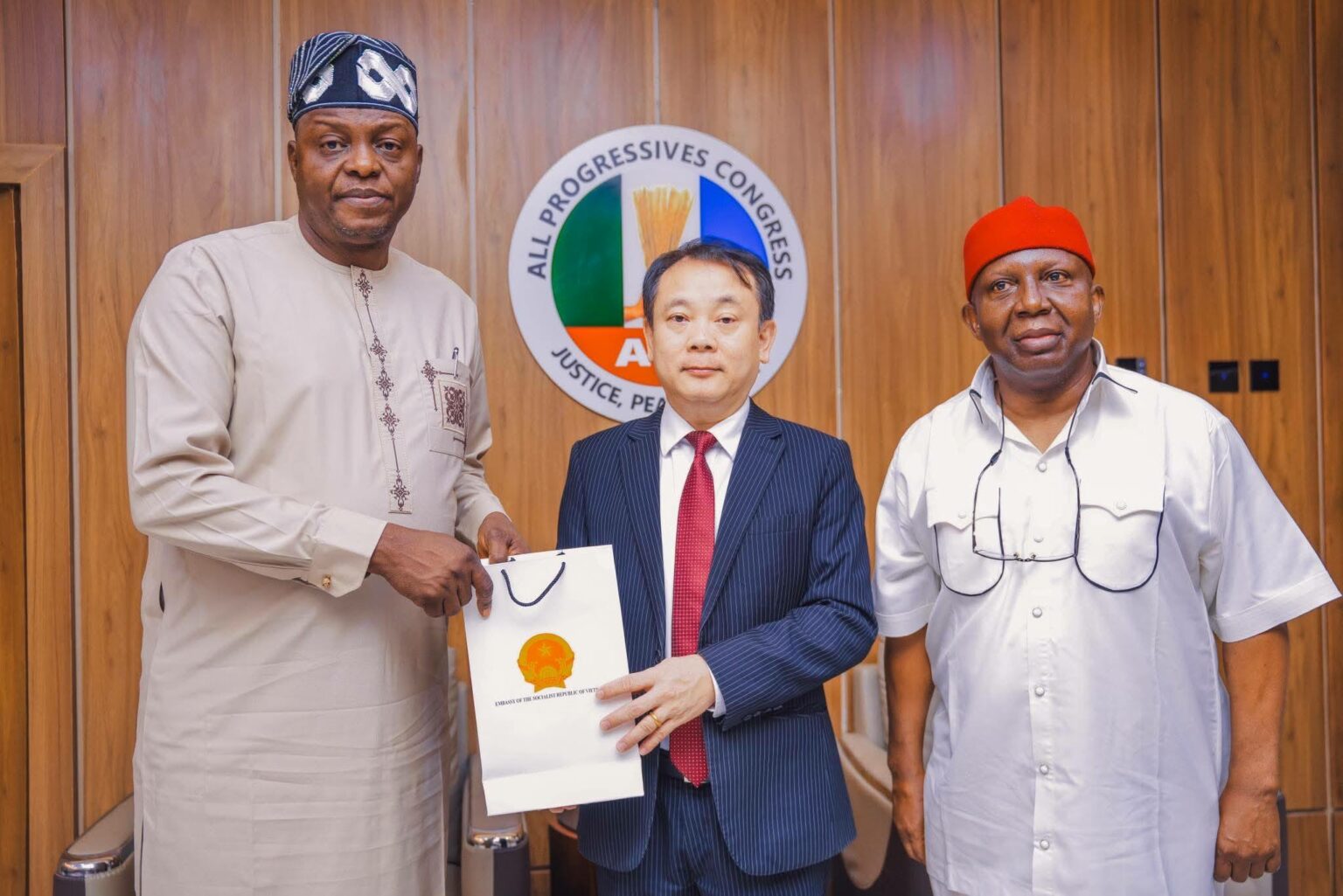
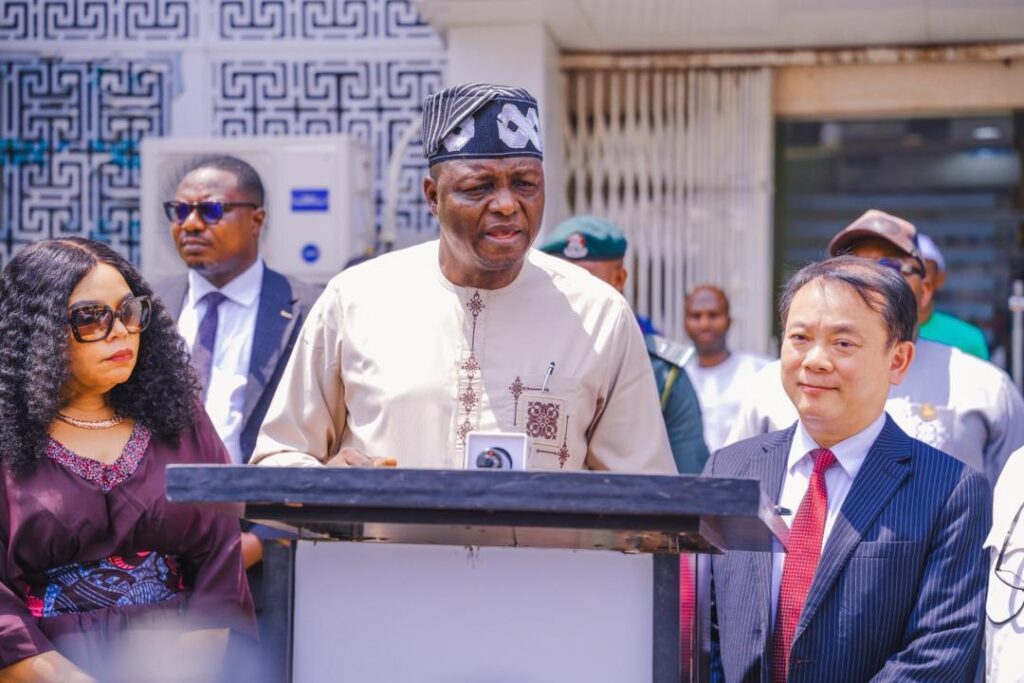
Nigeria Vietnam bilateral relations meeting 2026 brought together political and diplomatic leaders from both countries to discuss expanding cooperation in trade, agriculture, infrastructure and political engagement. The discussions took place at the national secretariat of the All Progressives Congress in Abuja.
The meeting involved Nentawe Yilwatda, National Chairman of the APC, and Bui Quoc Hung, Ambassador of the Socialist Republic of Vietnam to Nigeria.
Both leaders used the meeting to explore ways of strengthening bilateral relations between Nigeria and Vietnam, with particular focus on economic cooperation and political engagement.
Officials said the dialogue reflects the growing diplomatic and trade partnership between the two countries.
Key Discussions During the Nigeria Vietnam Bilateral Relations Meeting 2026
During the Nigeria Vietnam bilateral relations meeting 2026, both sides discussed several areas where cooperation could expand in the coming years.
These included:
-
Trade and investment partnerships
-
Agricultural development
-
Infrastructure collaboration
-
Political and diplomatic exchanges
The discussions were described as constructive and focused on strengthening long-term cooperation between both nations.
Recognition of Vietnam’s Political Milestone
Professor Yilwatda congratulated Vietnam on the 80th anniversary of the Communist Party of Vietnam.
He described the milestone as a reflection of the country’s long-standing political stability and institutional continuity.
According to him, Vietnam’s political experience demonstrates how sustained governance structures can support national development.
Reflections on Nigeria’s Democratic Journey
During the Nigeria Vietnam bilateral relations meeting 2026, the APC chairman also spoke about Nigeria’s political history.
He noted that the country’s democratic progress had experienced interruptions in the past due to military rule.
Return to Civilian Governance in 1999
Nigeria transitioned back to democratic governance in 1999, marking the beginning of the longest uninterrupted democratic period in the country’s history.
Yilwatda acknowledged the contributions of many pro-democracy activists who worked toward restoring civilian government.
Role of President Bola Tinubu in Pro-Democracy Movement
The APC chairman also recognised the efforts of Bola Ahmed Tinubu, Nigeria’s president, during the pro-democracy struggle.
According to Yilwatda, Tinubu faced imprisonment, political persecution and exile during the period of military rule while advocating for democratic governance.
He said such sacrifices helped shape Nigeria’s present democratic institutions.
Economic Reforms and Growth in Nigeria
Another key topic during the Nigeria Vietnam bilateral relations meeting 2026 was Nigeria’s economic performance and ongoing reforms.
The APC chairman highlighted several indicators he said demonstrate improvements in the country’s macroeconomic environment.
Economic Growth and Global Contribution
According to Yilwatda, Nigeria’s economy is currently experiencing annual growth of around four percent.
He also noted that the country’s contribution to global gross domestic product recently reached approximately 1.5 percent.
These figures, he said, show resilience in the Nigerian economy despite global economic pressures.
Trade and Currency Stability
Yilwatda also referred to government policies aimed at stabilising the national currency and improving business conditions.
He said recent reforms have contributed to:
-
Reduced import dependence
-
Increased domestic production
-
Trade surpluses recorded over the past two years
The APC chairman added that local petroleum production has also increased, reducing the country’s reliance on imported refined products.
Infrastructure Development Plans
Infrastructure expansion was another major topic discussed during the Nigeria Vietnam bilateral relations meeting 2026.
Yilwatda highlighted several large-scale projects currently underway in Nigeria.
Sokoto–Badagry Highway Project
One of the projects mentioned was the Sokoto–Badagry Highway, described as one of the longest road projects in the country.
The highway is expected to include more than 300 dams to support irrigation and year-round agricultural production.
Officials say the project could significantly improve transportation of agricultural goods across different regions.
Lagos–Calabar Coastal Highway
The APC chairman also referred to the Lagos–Calabar Coastal Highway, a major road project designed to connect key seaports along Nigeria’s coastline.
The project is intended to improve logistics, trade and economic activity along the coastal corridor.
Agricultural Cooperation Opportunities
Agriculture emerged as a major area for potential collaboration during the Nigeria Vietnam bilateral relations meeting 2026.
Nigeria possesses vast agricultural land, while Vietnam is recognised globally for its expertise in rice production.
Vietnam’s Global Rice Export Strength
Ambassador Hung explained that Vietnam is among the world’s leading rice exporters.
He suggested that both countries could collaborate by combining:
-
Nigeria’s fertile land
-
Vietnam’s agricultural technology
-
Advanced rice cultivation techniques
Rather than exporting rice to Nigeria, Vietnam expressed interest in supporting local rice production within Nigeria.
Food Production and Regional Markets
Yilwatda also highlighted Nigeria’s role as a food supply hub for several neighbouring countries.
These include:
-
Niger Republic
-
Burkina Faso
-
Chad
-
Sudan
Expanding agricultural production in Nigeria could strengthen regional trade and improve food security across West Africa.
Education and Social Support Programmes
The Nigeria Vietnam bilateral relations meeting 2026 also included discussions about Nigeria’s social protection and education initiatives.
The APC chairman said government programmes aim to make education accessible to young Nigerians.
Student Loan Programme
He explained that the government introduced a student loan scheme that allows beneficiaries to begin repayment only after securing employment.
The programme also avoids rigid repayment deadlines to reduce financial pressure on graduates.
Support for Vulnerable Citizens
Yilwatda noted that health insurance initiatives have also been introduced for low-income households.
These programmes are intended to ensure that vulnerable citizens benefit from economic reforms and development policies.
Vietnam Highlights Growing Trade Relations
Ambassador Bui Quoc Hung emphasised the growing trade relationship between Nigeria and Vietnam.
According to him, bilateral trade between the two countries recently reached $1 billion, marking a significant milestone in their economic partnership.
Key Trade Products Between Both Countries
Current trade between Nigeria and Vietnam includes:
-
Nigerian crude oil exports
-
Raw materials supplied to Vietnam
-
Vietnamese textile products exported to Nigeria
The ambassador said expanding investment and trade cooperation could further strengthen economic ties.
Political and Party-to-Party Engagement
Hung also expressed interest in deepening relations between the All Progressives Congress and the Communist Party of Vietnam.
He noted that both parties play central roles within their respective political systems.
Strengthening such connections could encourage deeper diplomatic engagement between the two countries.
Future Outlook for Nigeria–Vietnam Cooperation
The Nigeria Vietnam bilateral relations meeting 2026 concluded with both leaders agreeing on the importance of continued dialogue and collaboration.
Areas identified for further cooperation include:
-
Agricultural investment projects
-
Trade expansion
-
Infrastructure partnerships
-
Cultural and people-to-people exchanges
Officials say strengthening relations between the two countries could bring economic opportunities and development benefits for both populations.
FAQ
What was discussed during the Nigeria Vietnam bilateral relations meeting 2026?
The meeting focused on expanding cooperation in trade, agriculture, infrastructure development and diplomatic relations between Nigeria and Vietnam.
Who attended the meeting in Abuja?
The discussions involved APC National Chairman Nentawe Yilwatda and Vietnamese Ambassador to Nigeria Bui Quoc Hung.
What is the current trade value between Nigeria and Vietnam?
According to the Vietnamese ambassador, bilateral trade between the two countries recently reached about $1 billion.
What agricultural cooperation was proposed?
Vietnam suggested partnering with Nigeria to cultivate rice locally using Vietnamese technology and Nigeria’s agricultural land.
Conclusion
The Nigeria Vietnam bilateral relations meeting 2026 reflects growing diplomatic engagement between both nations as they explore opportunities for economic and political collaboration. From agricultural partnerships to infrastructure development and expanded trade, the discussions highlight the potential for stronger cooperation that could benefit both countries in the years ahead.
Click here for more news