 0
0
 0
0
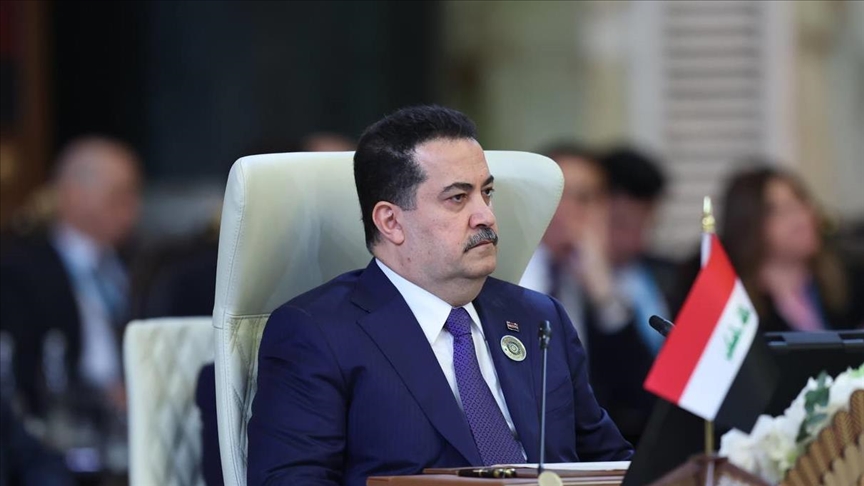
Iraq Will Not Allow Attacks on Iran from its territory, Prime Minister Mohammed Shia al-Sudani said during a phone conversation with Iranian President Masoud Pezeshkian. The statement comes as tensions continue to rise across the Middle East following recent military confrontations involving Iran, the United States, and Israel.
According to Iraqi officials, Baghdad is determined to prevent its land from becoming a launching point for attacks against neighboring Iran. The government emphasized that protecting Iraq’s sovereignty and maintaining regional stability remain top priorities.

Iraq Will Not Allow Attacks on Iran Through Its Territory
During the call, the Iraqi prime minister stressed that Iraq Will Not Allow Attacks on Iran to be launched from its soil by any group or country. He explained that any military action carried out from Iraqi territory without approval would represent a violation of national sovereignty.
The Iraqi government also warned that such actions could further destabilize the region and undermine diplomatic efforts aimed at ending the ongoing conflict. Officials stated that Iraq seeks to prevent its territory from being used in ways that could escalate military confrontations.
Sudani also reaffirmed Iraq’s commitment to respecting the sovereignty and security of neighboring states, including Iran.
Iraq Will Not Allow Attacks on Iran and Calls for Dialogue
In his remarks, Sudani repeated that Iraq Will Not Allow Attacks on Iran and instead supports diplomatic solutions to regional conflicts. He expressed concern about the growing violence and called for renewed dialogue between involved parties.
According to the Iraqi government, military escalation risks expanding the conflict beyond current borders. Baghdad believes negotiations and peaceful engagement offer the best path toward reducing tensions.
Sudani also stated that Iraq is prepared to contribute diplomatic efforts to encourage a return to discussions rather than further armed confrontation.
Regional Conflict Intensifies After Strikes on Iran
The statement that Iraq Will Not Allow Attacks on Iran follows a series of major military developments in the region. Joint strikes carried out by United States and Israel reportedly targeted locations across Iran in late February.
Reports indicated that the attacks caused significant casualties and damage across several areas. Among those reported killed was Ali Khamenei, along with hundreds of civilians.
Iran later responded with drone and missile strikes targeting locations in Israel and other parts of the region, including neighboring countries where United States military assets are located.
These retaliatory strikes further increased tensions across the Middle East and raised concerns about the possibility of a wider regional conflict.
Iraq Warns Conflict Could Threaten Regional Stability
Iraqi officials say the country’s position that Iraq Will Not Allow Attacks on Iran reflects its broader strategy to avoid becoming involved in regional warfare.
Baghdad has warned that allowing foreign forces or militias to launch attacks from Iraqi territory could drag the country into a larger conflict. Leaders in Iraq say preventing such escalation is essential for maintaining both domestic stability and regional peace.
The government also expressed concern that continued military escalation could threaten global energy markets and disrupt economic stability across the region.
Iraq Seeks Peaceful Solutions to Regional Crisis
While repeating that Iraq Will Not Allow Attacks on Iran, Sudani said Baghdad remains committed to helping reduce tensions. Iraqi leaders say they hope diplomatic engagement will replace military escalation.
Officials also stressed that continued dialogue between countries in the region will be necessary to prevent further conflict and restore stability.
For now, Iraq’s message remains clear: the country does not want its territory used as a platform for attacks that could deepen the ongoing crisis.